Iran Leader Threatens Hormuz Closure Amid Regional Tensions
Iran's Supreme Leader declared the Strait of Hormuz closed as a 'tool of pressure' amid global oil market disruptions and rising regional tensions.
Lauren Collins ·
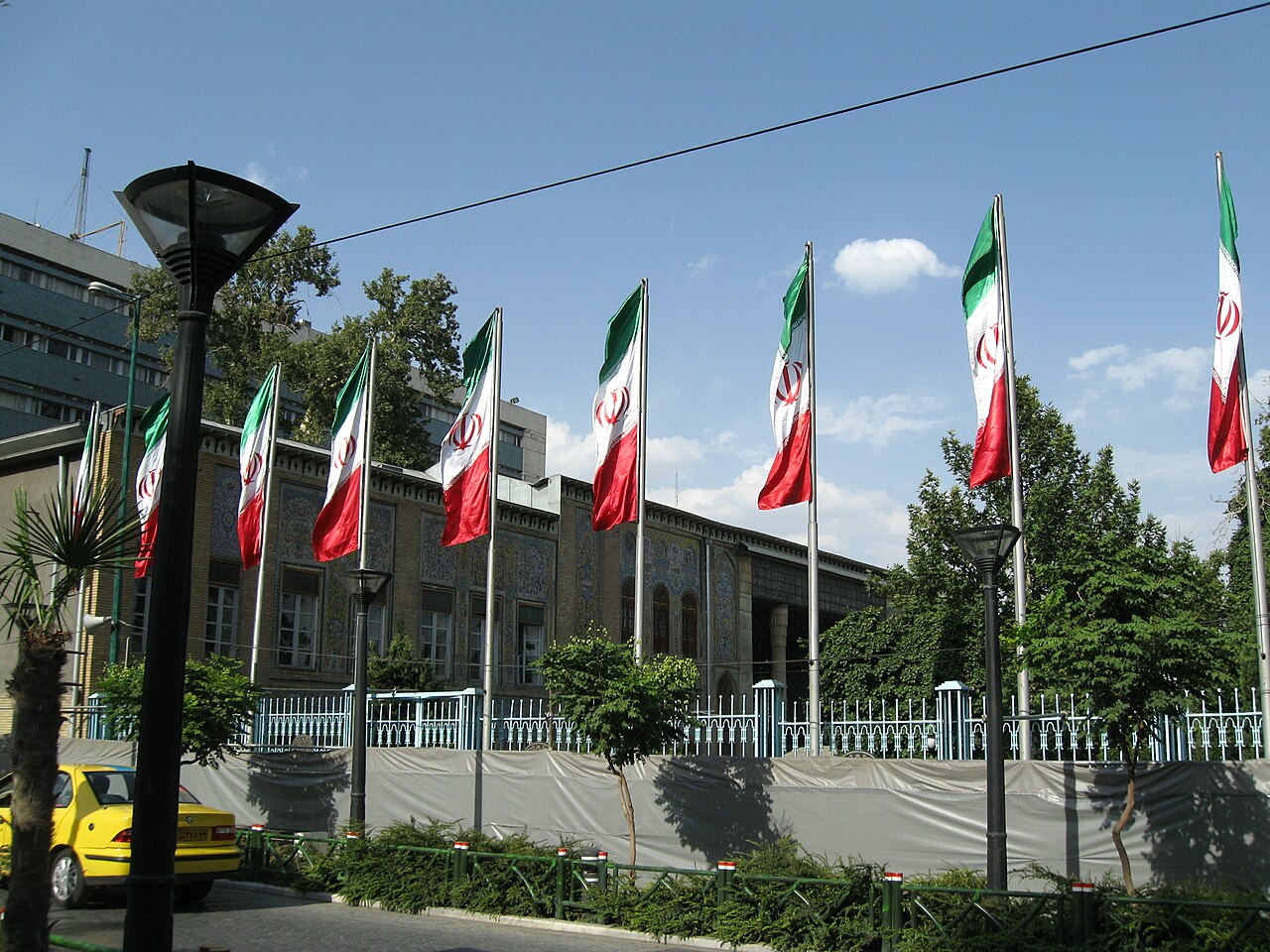
Iran's Supreme Leader, Ayatollah Mojtaba Khamenei, announced on Thursday, March 12, 2026, that the Strait of Hormuz would be maintained as a closed waterway. This declaration, conveyed via state television, positions the critical maritime passage as a strategic leverage point for Tehran. The move follows a period of heightened regional instability and disruptions to global energy markets.
Global Energy Market Disruptions
The International Energy Agency (IEA) has characterized the current situation as the most significant supply disruption ever recorded in the global oil market. This assessment underscores the severe impact of recent events on international energy flows. Brent crude oil prices reflected this volatility, trading near $100 per barrel on the day of the Iranian announcement.
U.S. Response and Military Posture
The United States has acknowledged the escalating tensions. S. S. Navy is not currently equipped to provide escorts for commercial vessels through the Strait of Hormuz, despite ongoing incidents involving Iranian forces targeting shipping in the area. S. S. air defense assets from European bases to the Middle East, signaling a reinforcement of regional security.
Escalating Regional Conflicts
Beyond the Strait of Hormuz, broader regional conflicts are intensifying. Israel's defense minister has directed the military to prepare for expanded operations against Hezbollah in Lebanon. This directive comes amidst renewed fighting that has resulted in hundreds of casualties and displaced hundreds of thousands of individuals, further destabilizing the Levant region.
Iranian Warnings and Economic Impact
Iranian officials have issued warnings regarding potential widespread power outages across the Middle East should Iran's electricity infrastructure become a target. This threat highlights the potential for broader economic and humanitarian consequences stemming from any military escalation.
In response to the deteriorating security environment, financial institutions are advising their personnel to avoid offices located within the Middle East, indicating a growing concern within the international business community.
Strategic Importance of Hormuz
The Strait of Hormuz is a narrow chokepoint connecting the Persian Gulf to the open ocean, through which a significant portion of the world's seaborne oil passes daily. Its closure or disruption would have profound implications for global energy supplies and international trade. The current declaration by Iran's leadership underscores the strategic importance of this waterway in regional power dynamics and its potential as a tool for political and economic pressure.
Implications
Country Impact: The heightened tensions could lead to further instability across the Middle East, particularly impacting countries reliant on the Strait of Hormuz for oil exports and imports. Regional economies face increased risks of disruption and potential conflict escalation.
Industry Impact: The global energy sector, especially oil and gas, faces significant supply chain risks and price volatility. Shipping and maritime insurance industries will likely see increased premiums and operational challenges due to security concerns in critical waterways.
Market Impact: Global financial markets are likely to react with increased risk aversion, potentially leading to higher oil prices, a flight to safe-haven assets, and downward pressure on equity markets. Energy-dependent economies could experience inflationary pressures and slower growth.