Middle East Conflict: Oil Output Cut, Military Actions Rise
Middle East conflict escalates, leading to a 15% projected cut in global oil production and increased military actions across the region.
Lauren Collins ·
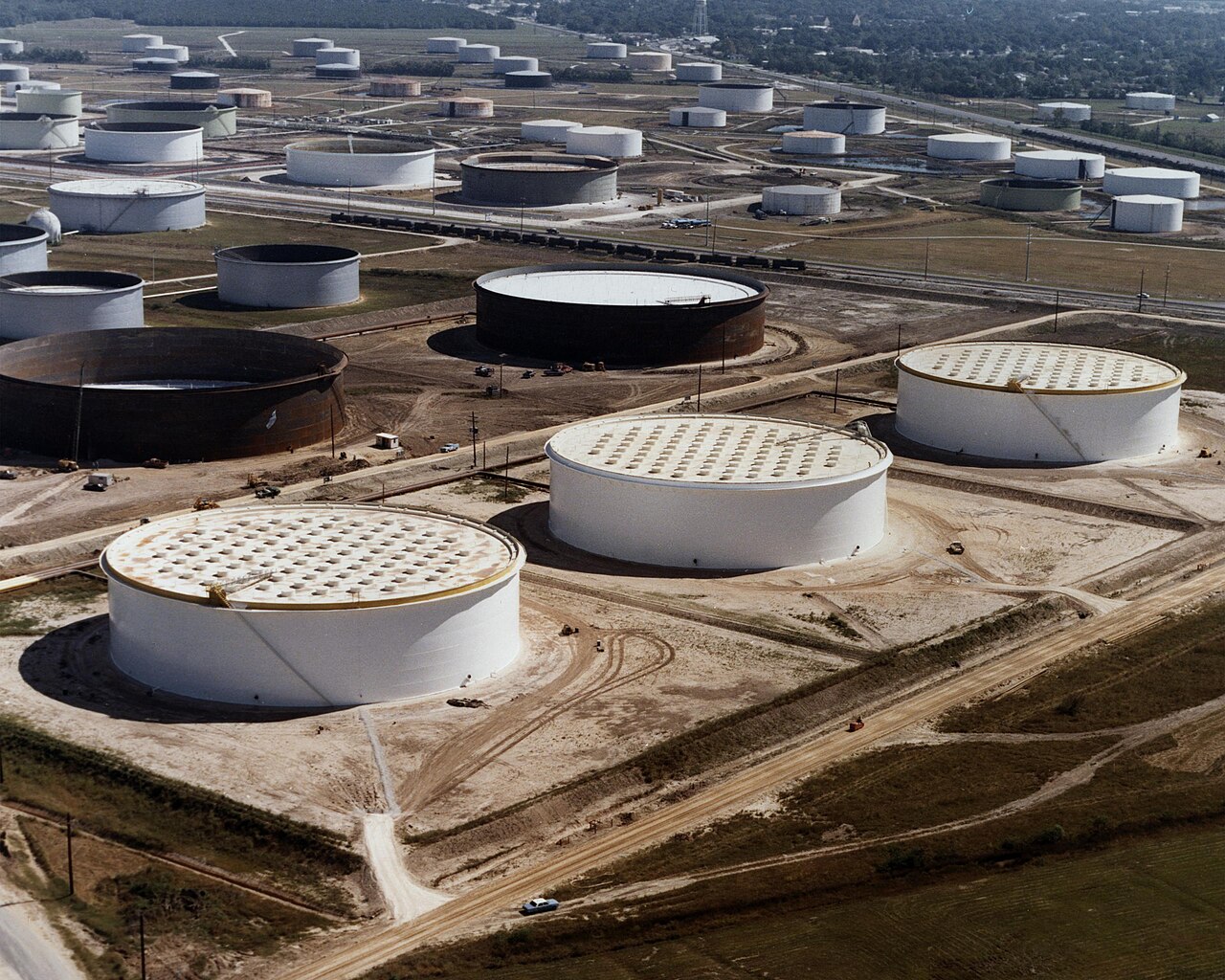
Ongoing geopolitical tensions in the Middle East have prompted significant military responses and adjustments in global energy markets. TotalEnergies projects a 15% decrease in worldwide oil production due to operational disruptions in Qatar, Iraq, and the United Arab Emirates. This reduction is anticipated to be mitigated by rising crude oil prices, according to the energy firm.
In response to market instability, Italy has announced the release of 9.966 million barrels from its strategic petroleum reserves. This action is part of a broader initiative coordinated by the International Energy Agency (IEA) aimed at stabilizing global energy supplies. The released volume constitutes approximately 13.5% of Italy's total security stocks.
Escalating Military Engagements
Military activities in the region have intensified, with the U.S. Central Command reporting extensive operations against Iranian targets. Approximately 6,000 targets within Iran have been struck, resulting in damage or destruction to over 90 Iranian vessels. This figure includes more than 30 mine-laying vessels, indicating a focus on naval capabilities.
Kuwait's Ministry of Defence recently detected multiple aerial threats, including five ballistic missiles and seven drones, within a 24-hour period. Four of these missiles were successfully intercepted, highlighting ongoing air defense operations in the Gulf region.
Regional Diplomatic Tensions
Diplomatic friction is also escalating, particularly concerning Lebanon. The Lebanese government has formally summoned Iran's charge d'affaires to express objections regarding perceived Iranian interference in its internal affairs. This diplomatic move follows an announced joint operation between Iran's Islamic Revolutionary Guard Corps (IRGC) and Hezbollah.
Concurrently, Israel has issued evacuation orders for specific areas within central Beirut. These orders are reportedly in preparation for planned military actions targeting structures associated with Hezbollah, signaling a potential expansion of conflict zones.
International Evacuation Efforts
The United States State Department has been actively involved in evacuating American citizens from the Middle East. Nearly 50 charter flights have been organized for this purpose. The department plans to gradually reduce these special evacuation operations as commercial flight availability to and from the region improves, indicating a shift towards more normalized travel options.
Implications
Country Impact: The escalating conflict directly impacts regional stability, particularly in Lebanon and Kuwait, which face direct military threats and diplomatic pressures. Italy's reserve release underscores European concerns over energy security amidst Middle East instability.
Industry Impact: The global energy sector faces supply disruptions and price volatility, with TotalEnergies forecasting production cuts. The maritime industry in the Gulf region is also affected by increased military activity and threats to shipping.
Market Impact: Global oil markets are experiencing upward price pressure due to supply concerns, potentially leading to higher inflation. Defense and security sector stocks may see increased interest, while broader market sentiment could be negatively impacted by geopolitical uncertainty.