UK Asylum Appeal Backlog Surges to 80,000 Cases
The UK's asylum appeal backlog surged to over 80,000 cases in 2025, a 91% increase, extending wait times to 63 weeks.
Lauren Collins ·
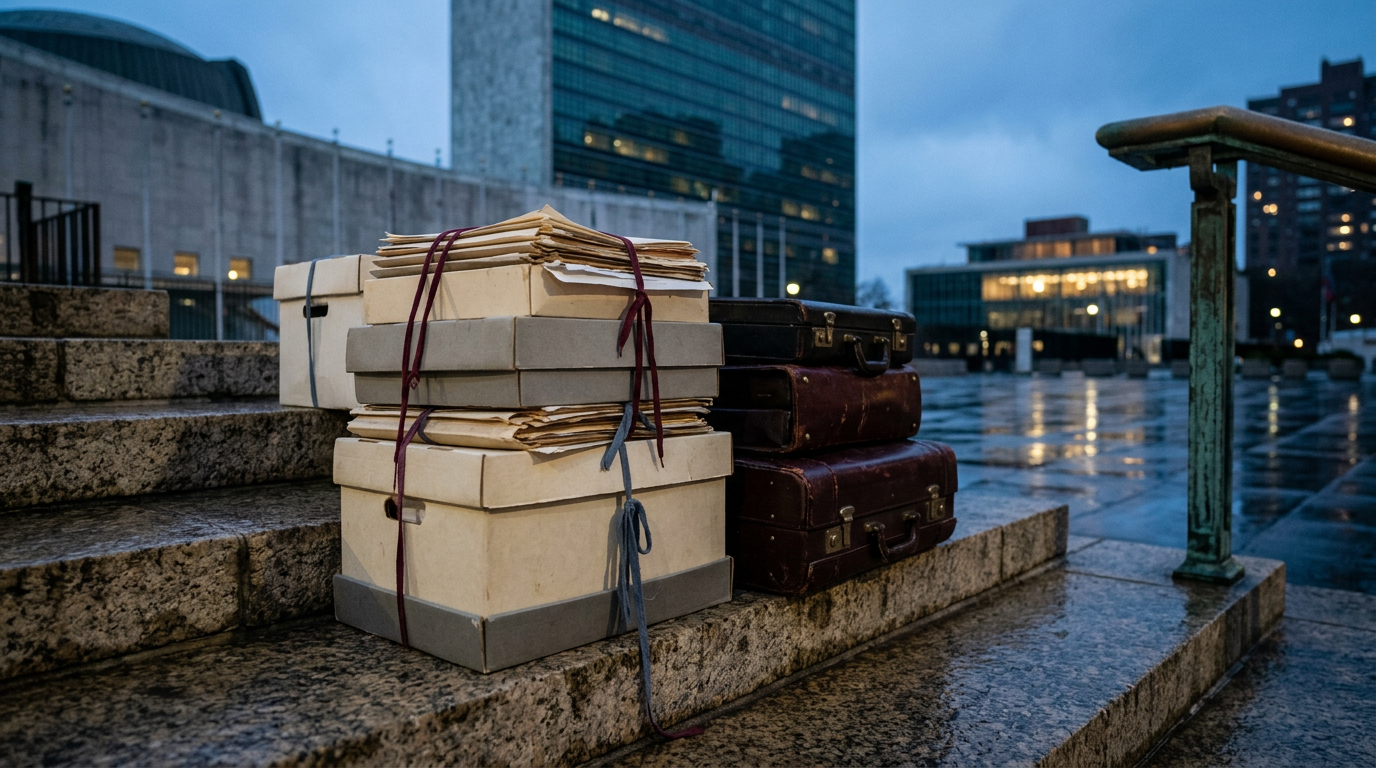
The United Kingdom's asylum appeal caseload reached over 80,000 unresolved applications by the close of 2025, marking a significant increase in the number of individuals awaiting a decision on their immigration status. This figure represents a 91% rise compared to the previous year, according to official statistics released recently. The escalating backlog has extended the average processing time for an appeal to 63 weeks, impacting both applicants and government resources.
Escalating Caseload and Processing Delays
This substantial increase in appeal cases now surpasses the number of initial asylum applications awaiting decisions, which stood at approximately 64,000. The growing backlog poses challenges for the government's stated objective of reducing reliance on temporary accommodation for asylum seekers. Despite efforts to decrease hotel occupancy, around 31,000 asylum seekers remained housed in hotels at the end of December 2025.
Policy Responses and Proposed Reforms
In response to the mounting pressure, the Home Secretary has introduced several policy adjustments. These include financial incentives, offering up to £10,000, for individuals whose asylum applications have been rejected to voluntarily depart the UK. Additionally, proposals are being considered to implement a temporary refugee status, subject to review every 30 months, rather than granting immediate long-term residency.
Impact on Residency Pathways
Further legislative reforms, which require parliamentary endorsement, aim to alter the pathway to permanent residency for migrants. Current proposals suggest extending the period required to achieve permanent residency from five to ten years for general migrants. For those granted refugee status, this period could potentially be extended even further, up to 20 years, before they become eligible for indefinite leave to remain.
Government Objectives and Outcomes
The government's commitment to reducing the use of asylum hotels has seen some fluctuation. While the number of asylum seekers in hotels decreased by 5,000 from September 2025 to December 2025, the December figure was still 1,000 higher than at the beginning of the current administration's term. A notable trend within the appeals process is that two-thirds of initial asylum refusals are ultimately overturned or withdrawn upon review, indicating a high success rate for appellants.
Broader Context of UK Immigration Policy
The surge in asylum appeals and the policy responses reflect ongoing debates and pressures within the UK's immigration system. The government faces the dual challenge of managing increasing asylum claims and implementing policies designed to control migration, while also ensuring fair and efficient processing of applications. These developments are part of a broader effort to reform immigration laws and manage the costs associated with the asylum system.
Implications
Country Impact: The escalating asylum appeal backlog places significant strain on the UK's Home Office resources and judicial system, potentially leading to increased public expenditure on temporary accommodation and administrative processing. Policy changes could alter the demographic composition and long-term integration prospects of migrant populations.
Industry Impact: The hospitality sector, particularly hotels, continues to be impacted by government contracts for housing asylum seekers, though efforts are underway to reduce this reliance. Legal services specializing in immigration law are likely to experience increased demand due to the growing number of appeals and complex policy changes.
Market Impact: Increased government spending on asylum processing and accommodation could contribute to fiscal pressures. Changes in immigration policy, particularly regarding residency pathways, may influence labor market dynamics in sectors reliant on migrant workers, though direct market impacts are likely to be localized and gradual.