Israel Strikes Iran Nuclear Site, Escalating Tensions
Israel confirmed a strike on Iran's Taleghan facility within the Parchin complex, escalating regional tensions over Iran's nuclear program.
Lauren Collins ·
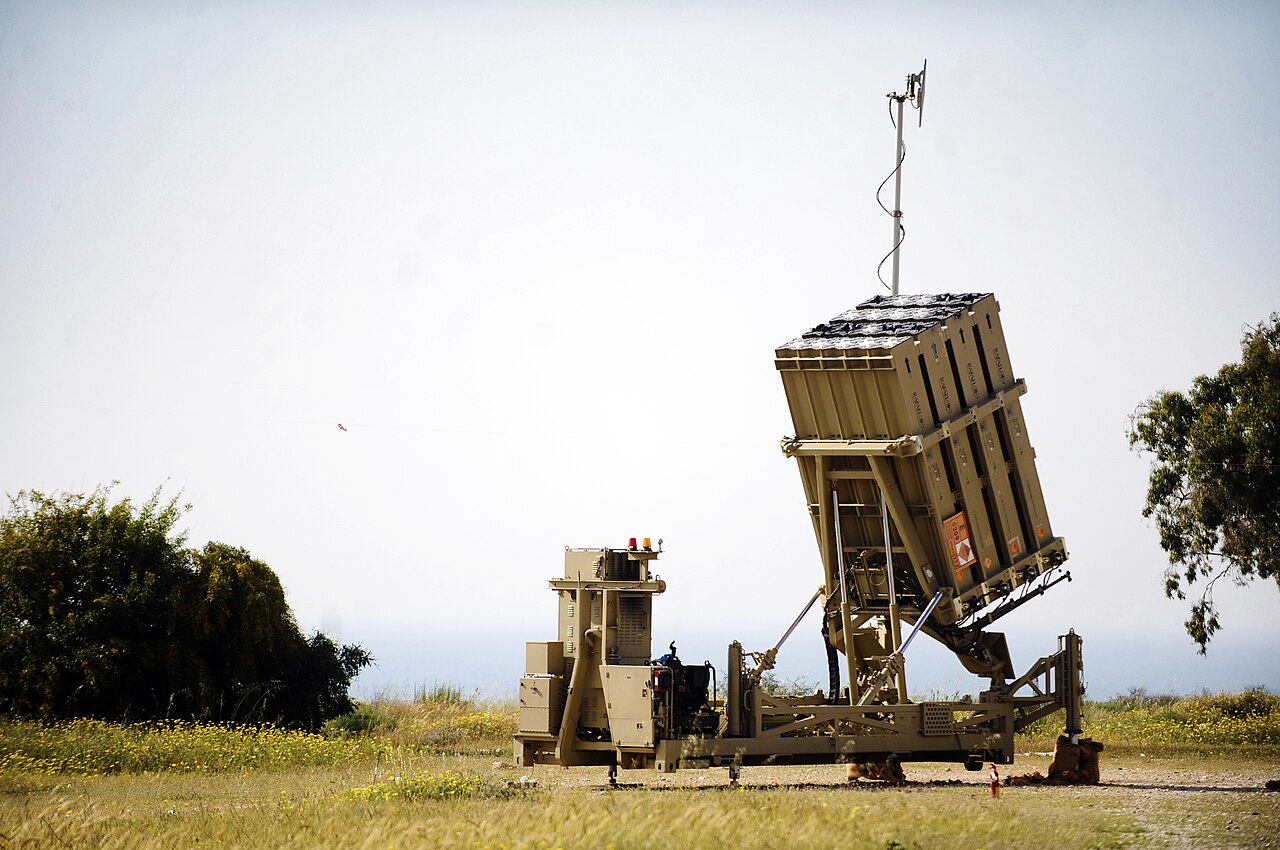
The Israeli military confirmed on Thursday, March 12, 2026, that it conducted an airstrike against a facility in Iran. This operation targeted a location identified as "Taleghan" situated within the extensive Parchin military complex. Western intelligence agencies have long suspected the Parchin complex of housing elements critical to Tehran's nuclear development efforts.
Military Action Confirmed
The Israeli Defense Forces (IDF) stated the strike occurred in "recent days," without providing a more precise timeline. This action marks a significant escalation in the ongoing regional tensions surrounding Iran's nuclear program and its perceived threat to regional stability.
Parchin Complex Significance
The Parchin military complex, located southeast of Tehran, has been a focal point of international scrutiny for years. International Atomic Energy Agency (IAEA) inspectors have previously sought access to specific areas within Parchin, citing concerns over potential undeclared nuclear-related activities, including experiments with conventional explosives that could be relevant to nuclear weapon development.
Iran has consistently maintained that its nuclear program is exclusively for peaceful purposes, including energy generation and medical applications.
Regional Geopolitical Context
The strike unfolds amidst a backdrop of heightened geopolitical friction in the Middle East. Israel has repeatedly voiced its determination to prevent Iran from acquiring nuclear weapons, viewing such a development as an existential threat. This stance has led to a series of covert operations and cyberattacks attributed to Israel targeting Iranian nuclear infrastructure and personnel over the past decade.
International Reactions and Implications
The international community is closely monitoring the situation, with concerns rising over the potential for broader regional conflict. Such military actions complicate diplomatic efforts aimed at de-escalating tensions and reviving international agreements related to Iran's nuclear program. The incident is likely to prompt strong condemnation from Tehran and could lead to retaliatory measures, further destabilizing an already volatile region.
Historical Precedent and Future Outlook
Historically, both nations have engaged in a shadow war, characterized by proxy conflicts and targeted strikes. This latest confirmed military action by Israel against an Iranian site represents a direct and overt escalation. Analysts suggest that the immediate aftermath will involve increased surveillance and defensive postures from both sides, while international powers will likely intensify calls for restraint and renewed diplomatic engagement to avert a full-scale confrontation.
Implications
Country Impact: The strike intensifies the long-standing rivalry between Israel and Iran, potentially leading to retaliatory actions from Tehran and further destabilizing the broader Middle East region. It could also influence domestic political dynamics within both countries.
Industry Impact: The energy sector, particularly oil and gas markets, could experience increased volatility due to heightened geopolitical risk in the Middle East. Defense industries might see increased demand for security technologies and military hardware.
Market Impact: Global financial markets may react with increased risk aversion, potentially leading to a flight to safe-haven assets like gold and government bonds. Equity markets, especially those with exposure to the Middle East, could experience downward pressure.