Rogan Criticizes Trump Over Iran Conflict
Joe Rogan criticized Donald Trump's administration over the Iran conflict, citing supporter betrayal and rising gasoline prices, impacting U.S. politics.
Lauren Collins ·
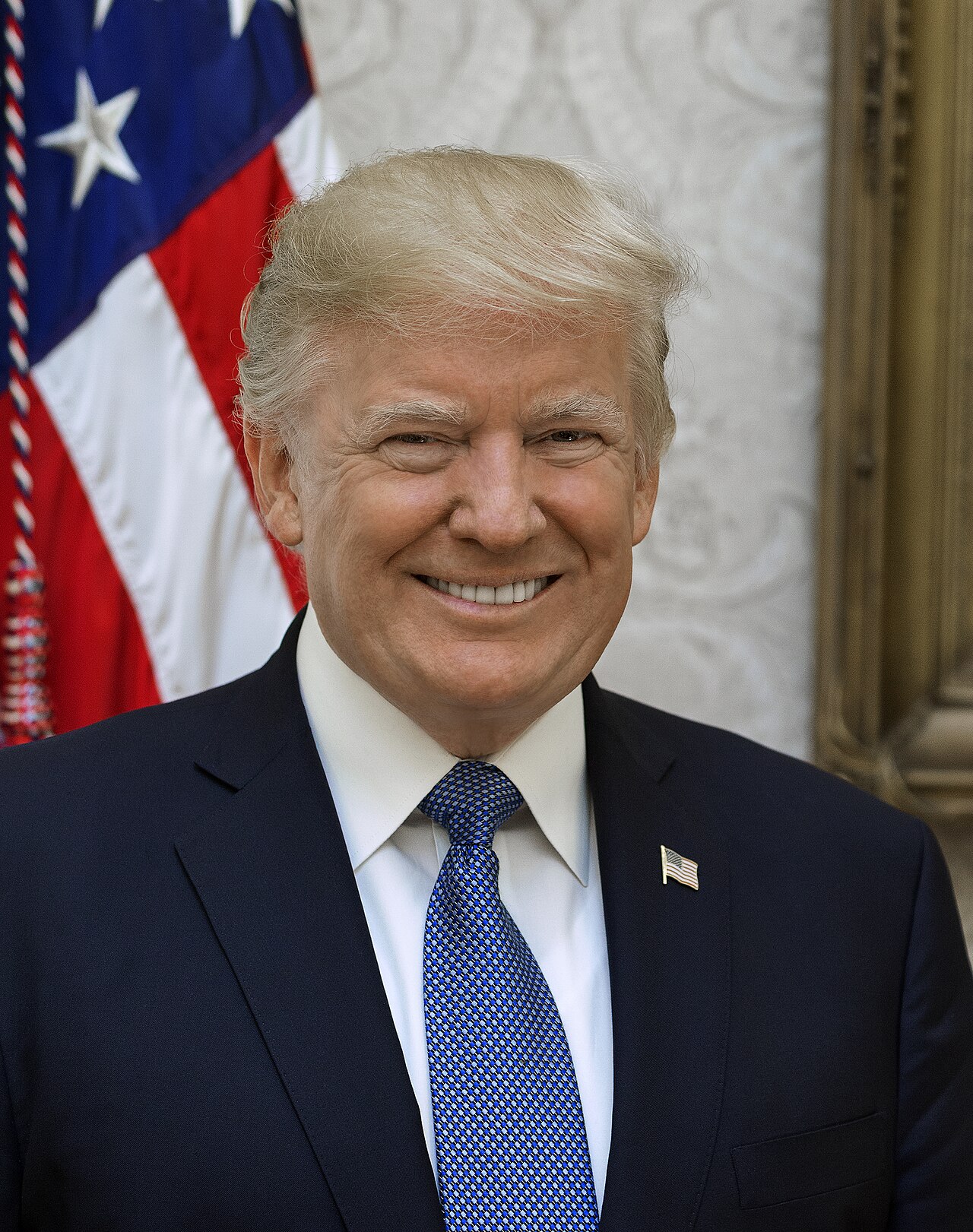
Prominent podcaster Joe Rogan publicly criticized former President Donald Trump's administration on Tuesday, March 11, 2026, regarding the ongoing military engagement in Iran. Rogan, who previously endorsed Trump, stated that many of the former president's supporters feel a sense of "betrayal" over the conflict.
This critique from Rogan, whose podcast is a leading program on Spotify, highlights growing domestic political tensions surrounding the 12-day-old conflict. His remarks suggest a divergence from Trump's 2024 campaign pledges, which emphasized an end to foreign military interventions.
Domestic Political Repercussions
The conflict has rapidly become a significant issue in U.S. domestic politics. Public opinion polls indicate widespread disapproval of the military action, creating challenges for the Republican party as midterm elections approach.
Economic impacts are also evident, with the average U.S. gasoline price rising by 38 cents to $3.58 per gallon within a week. This increase is attributed to disruptions in a critical Persian Gulf shipping lane, directly linked to the hostilities in Iran.
Administration's Stance and Conservative Dissent
White House spokeswoman Anna Kelly defended the administration's actions, asserting that the president is "courageously protecting the United States from the deadly threat posed by the rogue Iranian regime." This official stance contrasts with the growing dissent from within conservative media circles.
Rogan's criticism is not isolated. Other influential conservative commentators, including Tucker Carlson, Megyn Kelly, and Candace Owens, have also voiced strong objections to the military involvement. This collective opposition from figures traditionally aligned with conservative viewpoints underscores the depth of the political challenge facing the administration.
Historical Context of U.S.-Iran Relations
The current conflict follows decades of complex and often strained relations between the United States and Iran. Historically, U.S. policy towards Iran has oscillated between diplomatic engagement and confrontational postures, particularly since the 1979 Iranian Revolution. Key flashpoints have included the Iran-Iraq War, Iran's nuclear program, and its regional influence.
Previous administrations have grappled with the challenge of containing Iran's strategic ambitions while avoiding direct military confrontation. The current escalation marks a significant departure from recent efforts to manage tensions through sanctions and indirect pressure, raising questions about long-term regional stability and global energy markets.
Market and Geopolitical Implications
The disruption of shipping lanes in the Persian Gulf, a vital conduit for global oil supplies, has immediate implications for energy markets. Sustained instability could lead to further price volatility and impact global economic growth. Geopolitically, the conflict risks drawing in other regional and international actors, potentially destabilizing the broader Middle East.
International responses have been varied, with some nations calling for de-escalation and others expressing concern over the humanitarian and economic consequences. The situation underscores the intricate balance of power in the region and the far-reaching effects of military actions on global affairs.
Implications
Country Impact: The U.S. faces domestic political challenges, with public disapproval of the conflict and rising gasoline prices impacting consumer sentiment and Republican prospects in upcoming midterm elections. The administration's foreign policy is under scrutiny from both traditional opponents and conservative allies.
Industry Impact: The energy sector is directly affected by disruptions in Persian Gulf shipping lanes, leading to increased oil and gasoline prices. This volatility could impact transportation costs and broader economic activity, potentially affecting industries reliant on stable energy markets.
Market Impact: Global energy markets are experiencing price volatility due to supply chain disruptions. This could lead to broader market uncertainty, impacting equities, bonds, and currency markets as investors react to geopolitical instability and potential inflationary pressures.