Libyan Unity Effort Stalls Over Haftar Son Drone Attack Allegations
Allegations of state-sponsored sabotage against Libyan energy infrastructure have derailed a US-backed unification plan and stalled ongoing political…
Lauren Collins ·
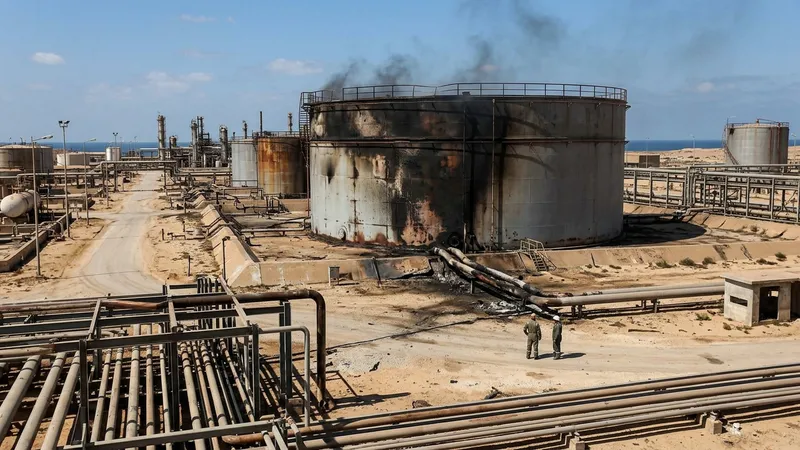
Efforts to unify Libya's fractured eastern and western administrations have faltered after allegations emerged linking a senior eastern commander's son to drone attacks on critical energy infrastructure. Investigations into August attacks on the Zawiya oil facility have implicated personnel affiliated with the Libyan National Army, prompting the Tripoli-based Government of National Unity (GNU) to deem cooperation with Saddam Haftar untenable.
The alleged sabotage, which intensified regional power shortages, has undermined a US-backed proposal aimed at consolidating political and security institutions under a power-sharing agreement. This development complicates the broader UN-sponsored "4+4 framework," which seeks to establish a pathway toward national elections, previously facing obstacles to implementation.
Security Allegations Disrupt Political Path
This stance directly impacts the proposed merger plan
Officials in Tripoli have indicated a prioritization of the UN-led electoral process over elite-level political settlements, especially those that disregard significant security violations. This stance directly impacts the proposed merger plan, which reportedly envisioned Khalifa Haftar, the eastern commander, as president and a Dbeibah family member from the west as prime minister.
The drone strikes in August targeted the gasoline storage tank at the Zawiya oil complex, located west of Tripoli. The National Oil Corporation reported the tank, holding approximately 4.5 million liters of fuel, collapsed after being struck, exacerbating existing electricity blackouts in the country's western regions.
Internal Power Struggles Intensify in East
Saddam Haftar serves as the deputy commander of These events have intensified internal power struggles within the eastern leadership, potentially destabilizing the succession plans of the Haftar family. Saddam Haftar serves as the deputy commander of the Libyan National Army, and information emerging from ongoing investigations is seen as potentially weakening his father's influence.
The fallout from these allegations threatens to entrench the existing east-west divide in Libya. This division, which has persisted since the 2011 fall of Muammar Gaddafi, increases the risk of renewed conflict and further disruption to the nation's vital oil production capabilities.