UAE Classifies Cockpit Axe Attack as Terrorism, Citing Co-Pilot's Extremist Views
UAE authorities have classified an in-flight co-pilot assault on a Flydubai captain as an attempted terrorist attack, raising security vetting concerns.
Lauren Collins ·
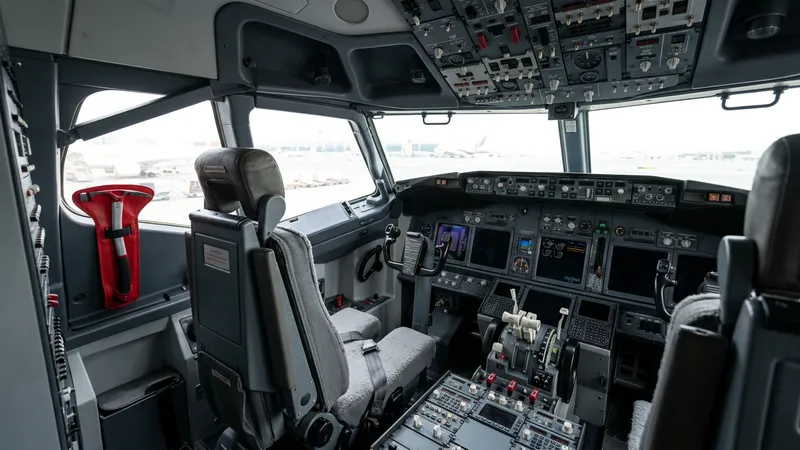
United Arab Emirates authorities have officially classified an incident involving a Flydubai co-pilot assaulting the captain during an airborne flight as an attempted terrorist attack. The co-pilot used a crash axe in the cockpit to attack the captain and attempted to gain control of the aircraft, which carried 182 individuals.
Passengers and other crew members intervened to subdue the individual, preventing a potential catastrophe. This swift action by those on board was crucial in maintaining the flight's safety, allowing it to make an emergency landing in Saudi Arabia.
Pre-Employment Vetting Scrutinized Investigations into the incident revealed that the suspect Investigations into the incident revealed that the suspect had previously been prohibited from flight duties by Oman due to documented extremist views. Despite this prior security flag, the individual was later employed by the UAE-based airline, Flydubai, raising significant questions about the airline's recruitment and vetting processes. This revelation has intensified scrutiny on the UAE government's internal security governance and the robustness of regional aviation security frameworks. The incident highlights potential vulnerabilities in existing pilot screening procedures. International Probe Underway Regional security agencies, supported by Western governments including the US, are conducting a multi-national investigation. This probe aims to examine the suspect's background, motives, and how he bypassed security protocols to access the cockpit despite previous concerns flagged by Oman.
International cooperation continues as authorities work to understand the circumstances that allowed the individual to be hired and operate a commercial flight. The incident has been called a "dangerous terrorist act" by a UAE senior diplomatic adviser.
Uncertainty Over Future Airline Security
The immediate aftermath of the attack sees heightened focus on airline security. If current investigations confirm systemic failures in vetting across multiple airlines, then regulatory bodies may implement more stringent and harmonized global background checks for flight personnel.
Conversely, if the incident is determined to be an isolated failure to share intelligence effectively between nations, then efforts will likely concentrate on improving inter-agency communication and data sharing, without immediate broad changes to hiring practices. The open question is whether existing security measures can be adequately strengthened to prevent similar incidents without imposing significant new burdens on the aviation industry.