Kyiv suburb blasts raise depleted uranium claims
Videos from a Russian strike near Kyiv showed secondary explosions, while Ukraine has not confirmed claims about depleted uranium munitions.
Mateo Fernandez ·
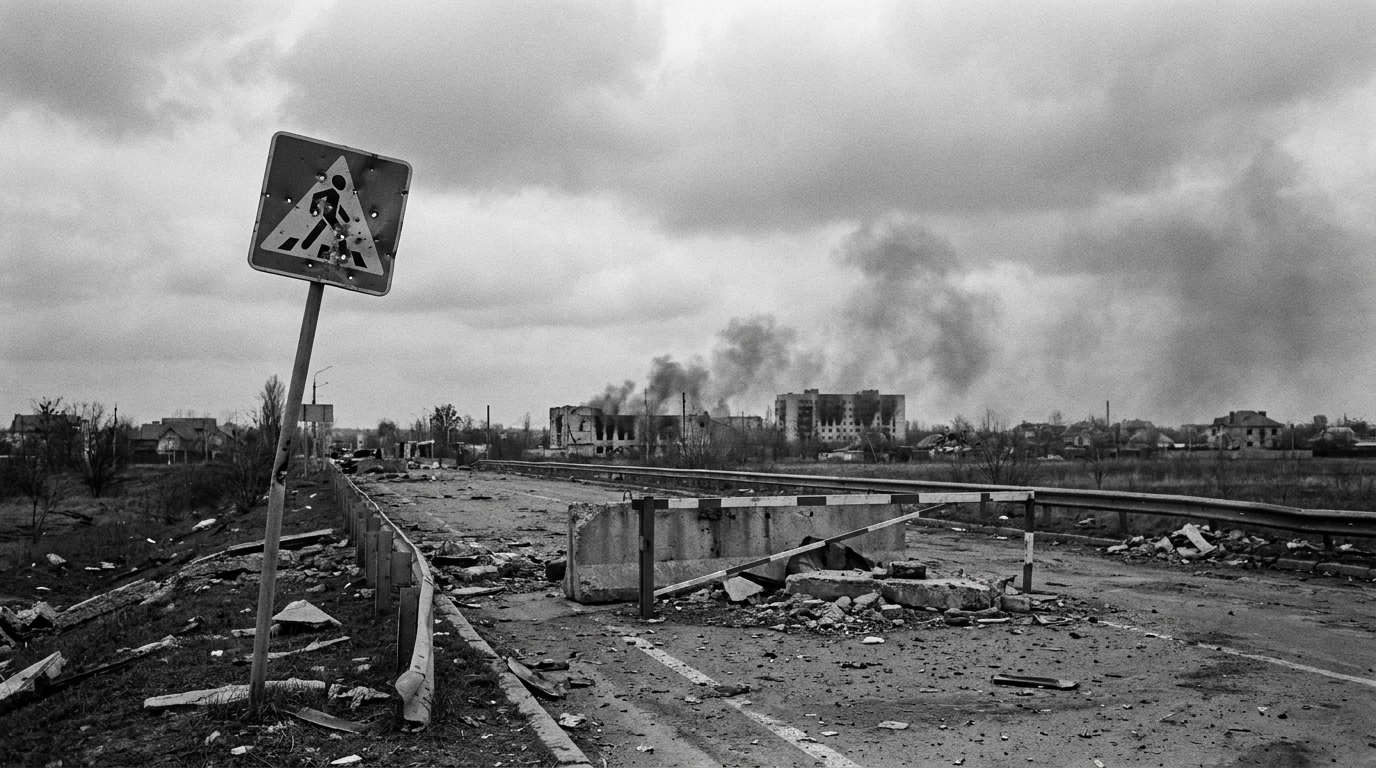
Videos from a Russian strike on a Kyiv suburb circulated widely on Tuesday after large secondary explosions were captured on camera, raising unverified claims about what was stored at the site. Reaction pending.
A former Ukrainian MP, Ihor Mosiychuk, claimed the strike hit a depot allegedly holding depleted uranium munitions near residential areas. Ukrainian officials have not confirmed that account, and no official radiological readings or inventory details were cited.
Kyiv depot claim remains unverified
The central issue is whether the secondary blasts point to conventional ammunition, depleted uranium rounds, or another stored material. Secondary explosions can follow strikes on military depots, but video alone does not establish the type of munition involved or whether any toxic contamination occurred.
Depleted uranium ammunition is controversial because it uses very dense metal to penetrate armor and can leave hazardous residue after impact. The material is not treated as a nuclear explosive, but allegations of storage near civilians carry political weight because they combine battlefield escalation, environmental risk and public-health fear.
For Ukraine, confirmation of depleted uranium at the site could sharpen scrutiny of weapons storage practices near populated areas. For Russia, the claim offers an information-war opening even if the underlying facts remain unsettled. For the wider war, the risk is a new dispute over Western-supplied munitions rather than an immediate change in battlefield dynamics.
By July 8, 2026, the key test is whether Ukrainian authorities, emergency services or international monitors release site data, contamination readings or a denial specific to the depot claim.