Kuwait condemns Iranian shelling of oil facility
Kuwait said Iranian attacks damaged vital infrastructure, raising Gulf energy-security risk as details on disruption remain limited.
Mateo Fernandez ·
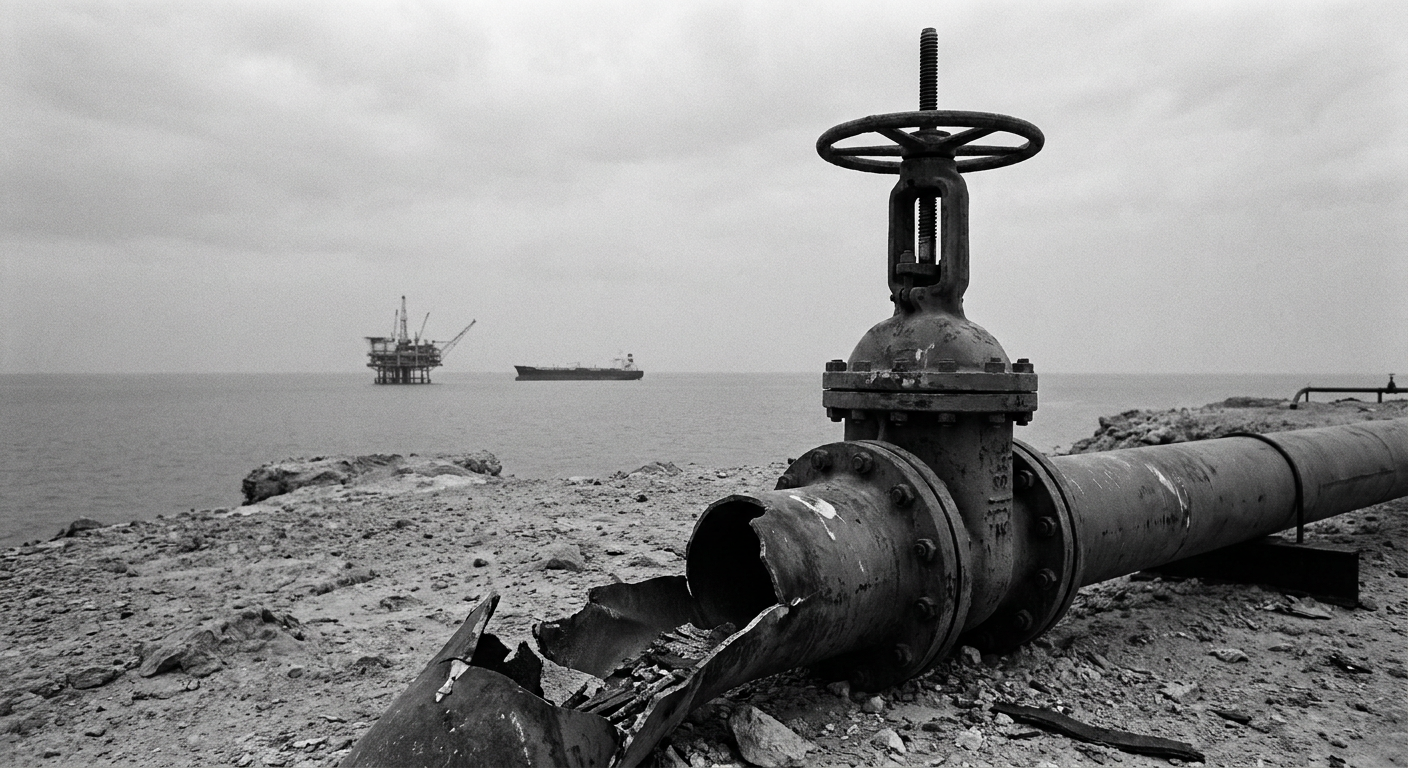
Kuwait condemned what it described on July 18, 2026, as repeated Iranian shelling of its territory that damaged an oil facility, putting Gulf energy infrastructure back at the center of regional risk. Reaction pending.
Officials said the attacks hit vital facilities and threatened civilian safety. Kuwait, a Gulf state allied with the United States, framed the incident as an attack on civilian infrastructure rather than an isolated border event.
Kuwait oil facility damage
Kuwait’s Foreign Ministry said the repeated strikes showed “a systematic and aggressive approach that targets civilian infrastructure and endangers the lives and safety of the population.” The statement did not specify the scale of damage, any casualty count, or whether oil output, storage, export operations or shipping schedules were affected.
The market significance turns on that missing detail. If damage is contained and export flows continue, the macro effect is likely to be a geopolitical risk premium rather than a supply shock. If inspections show disruption to production or loading capacity, the pressure would shift toward physical crude balances, insurance costs and tanker routing decisions across the Gulf.
For Kuwait, the immediate test is whether it can secure facilities and communicate operational continuity. For the wider energy sector, the risk is contagion: attacks on one Gulf oil asset can raise security costs for producers, refiners, shippers and insurers even before barrels are lost.
By July 19, 2026, the key forward call is whether Kuwaiti officials provide a damage assessment and any confirmation on production or export operations.