Chronic Stress Triggers Biological Brain Changes, Expert Warns
Chronic stress causes measurable biological changes in the brain, impacting memory and decision-making, but can be managed through lifestyle interventions.
Hazal Anyalı ·
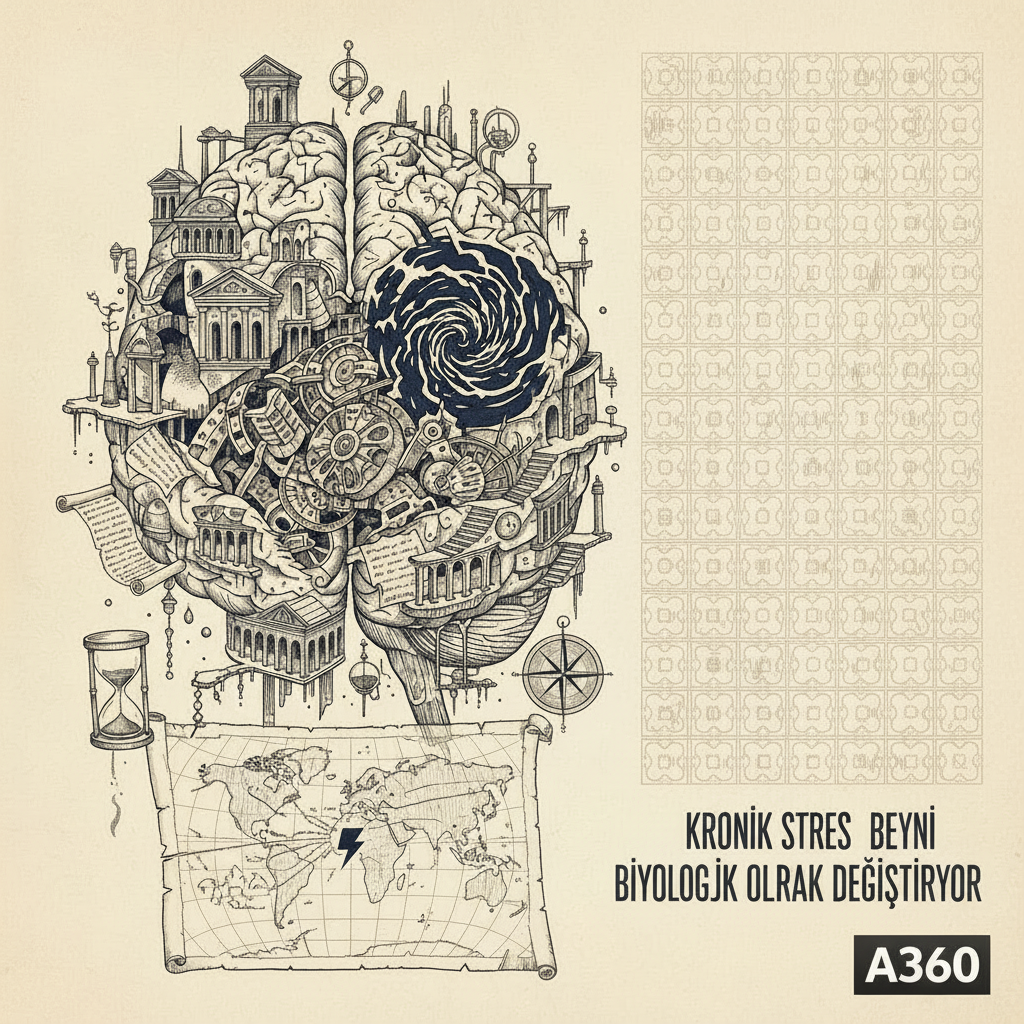
Chronic stress isn't just a mental state; it's a powerful physiological process that biologically alters the brain, according to Derya Murat Özgün, a Biochemistry-Neuroscience Specialist at Istanbul Esenyurt University. Speaking on March 12, 2026, Özgün explained that prolonged stress activates the hypothalamus-pituitary-adrenal (HPA) axis, leading to the release of stress hormones like cortisol.
Sustained high levels of cortisol can significantly impact key brain regions. These include the hippocampus, crucial for memory, and the prefrontal cortex, responsible for decision-making and planning. Additionally, the amygdala, which processes threat perception, becomes more active under stress, intensifying feelings of anxiety and perceived danger. While short-term stress can sometimes enhance focus and performance, its chronic form is detrimental.
Özgün emphasized that while stress cannot be entirely eliminated, it can be effectively managed. Strategies such as regular physical activity, adequate sleep, strong social connections, meditation, breathing exercises, and mindfulness practices can help balance stress hormones and mitigate their adverse effects on the brain.