Kosovo's Third Election Signals Continued Political Gridlock
Kosovo's recent parliamentary election saw Vetevendosje secure a lead, yet the party must forge coalitions to overcome political fragmentation and elect a…
Cuneyd Erdogan ·
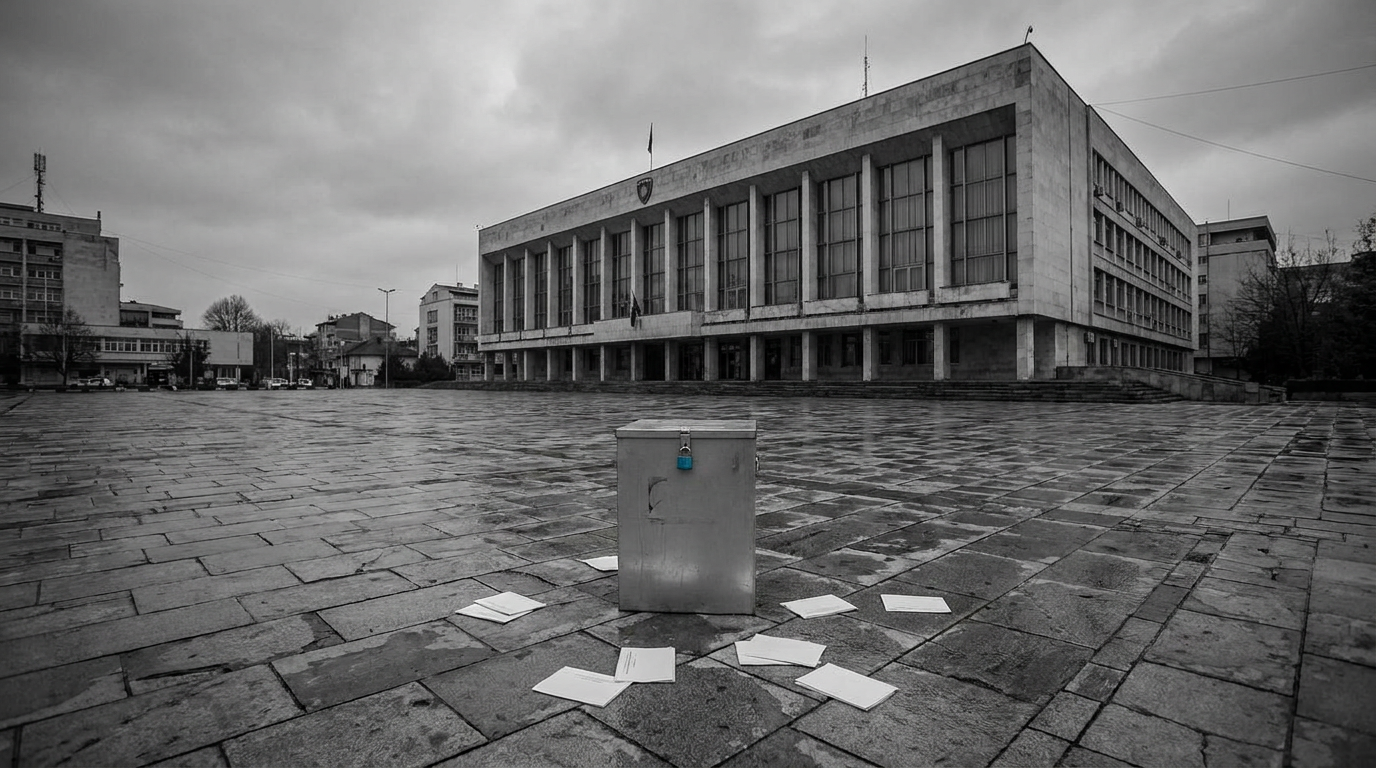
Kosovo's Fragmented Mandate
With 99.4% of ballots tallied, Prime Minister Albin Kurti's Vetevendosje party has emerged as the frontrunner in Kosovo's latest parliamentary election, securing 43% of the vote. This outcome, however, falls short of the outright majority necessary to independently form a government, signaling a continuation of the country's persistent political instability.
The election marks the third such contest in just 18 months for Europe's youngest nation. Deep-seated parliamentary divisions have consistently impeded the formation of stable governments and the election of key state officials, including a new head of state, which requires a two-thirds majority in the legislature.
Navigating the Coalition Landscape
Vetevendosje's 43% performance necessitates coalition negotiations with rival parties to build a governing alliance. The Democratic Party of Kosovo garnered 21% of the vote, while the Democratic League of Kosovo secured 18%, indicating a fragmented political landscape that demands compromise.
Previous attempts to unilaterally govern or form broad coalitions have stalled, most notably due to disagreements over candidates for the largely ceremonial presidency. This ongoing deadlock led to the dissolution of parliament in April, directly triggering the recent snap election.
Prior Political Trajectories and Future Hurdles
In the last election held in December, Vetevendosje achieved a stronger mandate with 51% of the vote, an increase from 42% in February 2025 (sic). Despite this earlier success, the party failed to reach consensus with other factions on a presidential candidate, underscoring the structural challenges in Kosovo's political system.
Kosovo's aspirations for European Union membership are intrinsically linked to its ability to establish a fully functioning and stable government. The current election results place renewed pressure on political leaders to overcome historical rivalries and forge a functional coalition, vital for addressing the nation's economic challenges and advancing its integration agenda.