NFL Heat Protocols Expanded After Korey Stringer Death
NFL heat protocols were tightened after Korey Stringer died of heatstroke on August 1, 2001, reshaping training-camp safety and medical response.
Mehmet Şahinoğlu ·
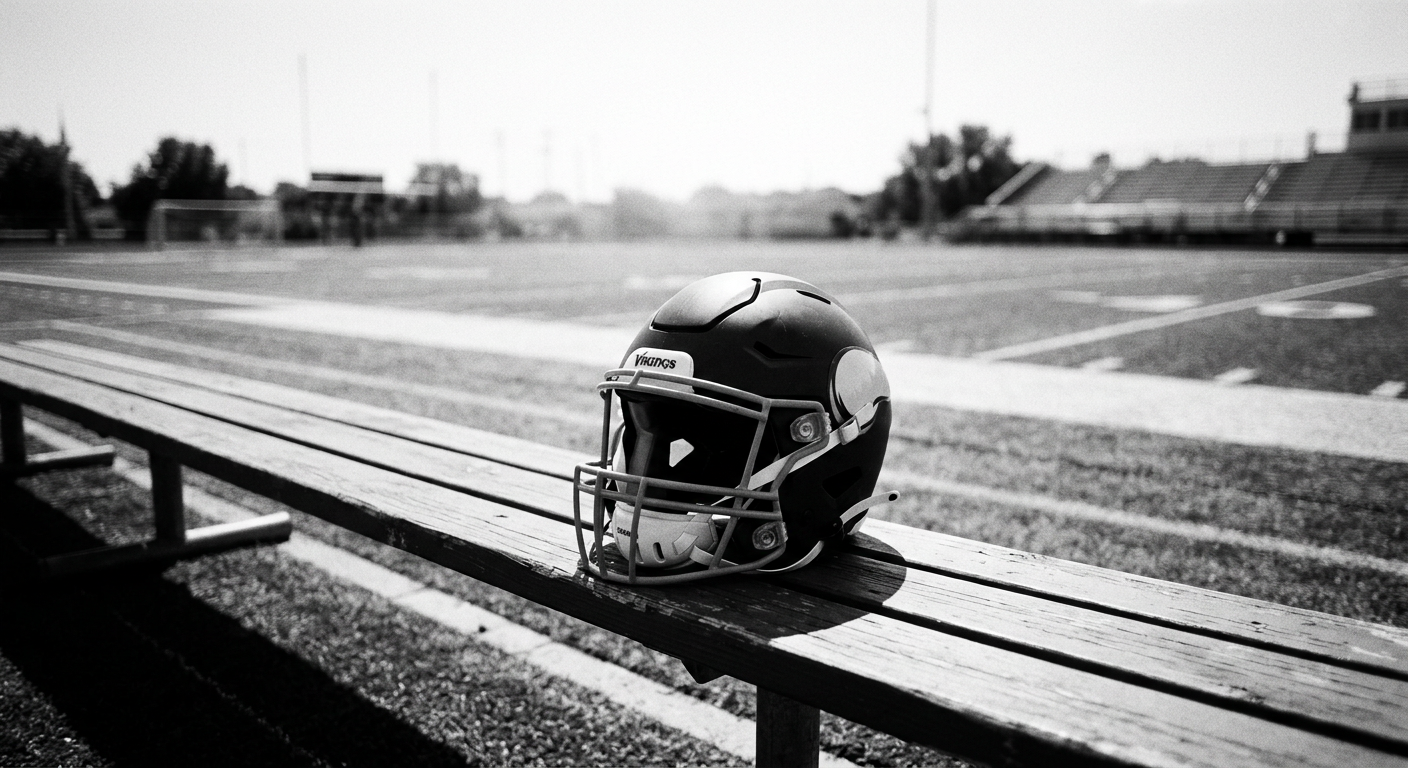
The NFL overhauled how teams run training camps after Minnesota Vikings offensive tackle Korey Stringer died of heatstroke on August 1, 2001, following a practice held in roughly 90 degrees Fahrenheit conditions. Officials have described the event as a turning point that pushed the sport away from an endurance-first mindset and toward tighter medical oversight during high-heat workouts.
Stringer’s death is widely cited as the moment the league’s approach to exertion risk changed in a lasting way. In the years since, teams have been required to treat heat exposure as a predictable medical threat that must be managed, rather than a test to be endured.
Training-camp schedules and medical readiness were revised
Following the 2001 incident, teams introduced mandatory adjustments to training routines aimed at limiting heat stress. One core shift was scheduling practices to avoid the hottest parts of the day, reducing the likelihood that players would face peak temperatures during the most physically demanding sessions.
Clubs also strengthened the diagnostic capacity of medical and training staffs, with an explicit of detecting heat illness earlier. The changes focused on quicker recognition of warning signs and faster treatment when symptoms emerged.
Hydration rules and rapid cooling became central tools
The league’s updated framework emphasized prevention and immediate response. Teams adopted more rigorous hydration requirements and put rapid cooling interventions in place for players showing signs of distress.
These measures were designed to reduce the physiological dangers linked to intense exertion in humid conditions, particularly when athletes are wearing full pads. The aim, officials said, was to cut the risk of heat-related illness escalating during practice.
Standards spread beyond the NFL and reduced emergencies
According to officials, the reforms contributed to a measurable decline in heat-related medical emergencies during professional training camps. The league’s approach, built around hydration discipline and immediate cooling, became a model for other levels of the sport.
Collegiate and secondary school football programs across the United States have since adopted similar safety standards, reflecting how the NFL’s response influenced athlete protection beyond the professional game.
Protocols remain in force as teams return to summer work As NFL teams move through the early portion of their annual training schedules, they continue to operate under strict protocols designed to prevent a repeat of the 2001 tragedy. The league’s policies keep medical vigilance at the center of summer preparation.
Officials have said Stringer’s legacy is a sustained focus on player welfare during the most intense and hottest training periods, with structured safeguards intended to reduce risk while camps progress.