Top Four Ranked Teams Vie for World Cup Glory in Historic Semifinals
The 2026 FIFA World Cup semifinals feature the top four teams in the world rankings for the first time since the system's 1992 inception.
Mehmet Şahinoğlu ·
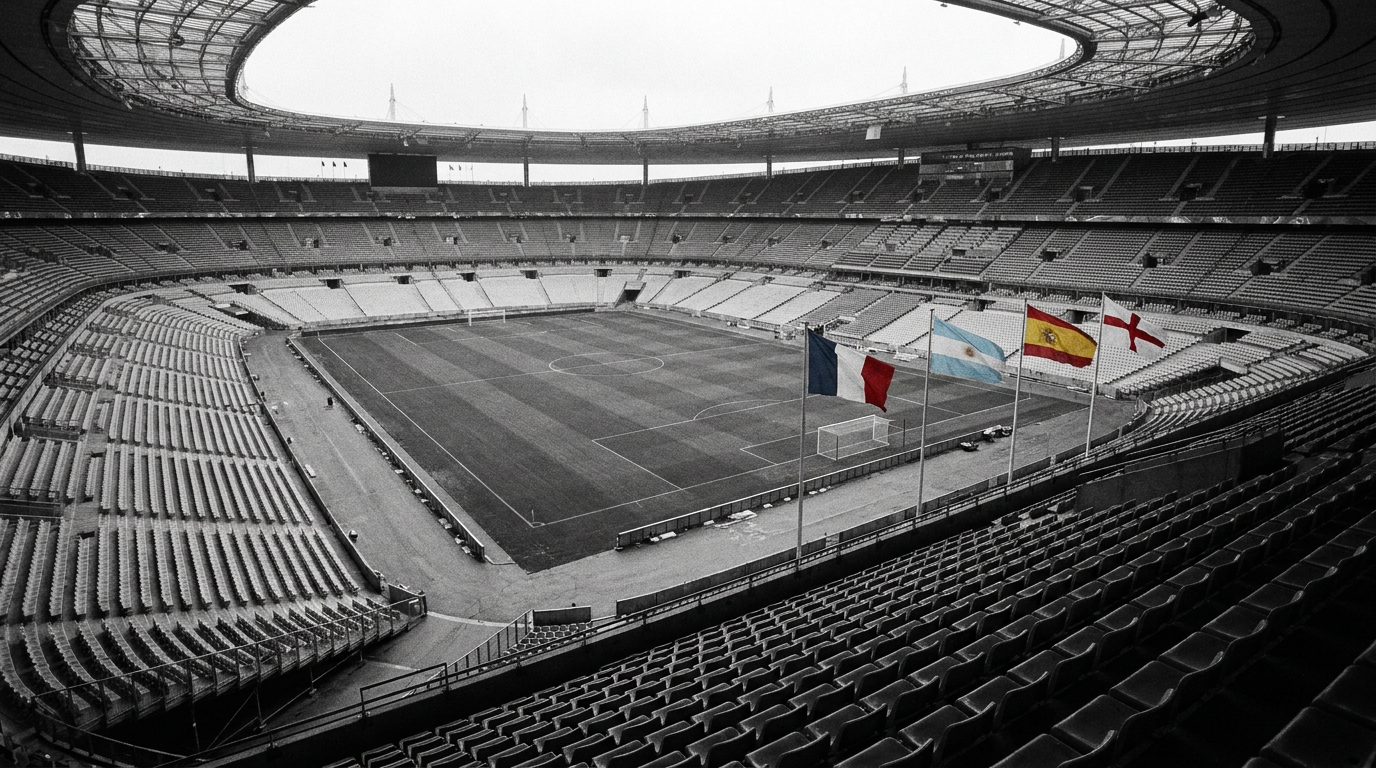
The 2026 FIFA World Cup semifinals will feature the four highest-ranked teams globally, marking a significant milestone since the FIFA world ranking system began in 1992. France, Argentina, Spain, and England have all advanced to the final four, setting the stage for a highly anticipated and competitive lineup. This convergence of elite teams is considered the strongest configuration in the tournament's modern history by sports analysts.
Elite Nations Converge in Final Four
France enters the semifinal stage as the world's top-ranked team, showcasing star players like Kylian Mbappé and Ballon d'Or winner Ousmane Dembélé. Argentina, holding the second spot in the rankings, continues its quest for a consecutive World Cup title, with Lionel Messi leading their campaign.
Spain, ranked third, has demonstrated a disciplined defensive approach complemented by the breakthrough performances of young talent Lamine Yamal. England, the fourth-ranked team, remains a strong contender, relying on the playmaking abilities of Jude Bellingham and the goal-scoring prowess of Harry Kane.
Departure from Past Tournament Dynamics
This concentration of top-tier footballing nations distinguishes the 2026 tournament from previous editions. Earlier World Cups, such as the 2014 event in Brazil, sometimes featured one-sided matches in the later stages. Similarly, tournaments like 2006 and 1990 were often characterized by aging "golden generations" and more cautious tactical play.
The current semifinalists highlight a notable shift toward high-level parity among the world's premier national teams. The upcoming matches will determine which two teams advance to the 2026 final, with the sport's highest-ranked squads competing for the ultimate title. Analysts will be closely watching how each team's star players perform under the intense pressure of the semifinals, potentially shaping new narratives in World Cup history.
Impact on Global Football Landscape
The presence of the top four ranked teams in the semifinals not only elevates the competitive intensity of the tournament but also reflects broader trends in international football. It suggests a period where established footballing powers are consistently maintaining their dominance, while also successfully integrating new talent that can perform at the highest level.
This pattern could lead to increased commercial interest and fan engagement, as parity at the top promises more unpredictable and thrilling matches. It also presents a challenge for emerging football nations, as the bar for reaching the latter stages of major tournaments appears to be rising.
The outcomes of these semifinals will offer key insights into the future direction of tactical trends and player development strategies across national teams. Success here may reinforce current footballing philosophies, while unexpected results could prompt re-evaluations among top-tier contenders and aspiring teams alike.