Kimi K3 subscription pause tests Moonshot AI capacity
Moonshot paused new Kimi K3 subscriptions after demand strained computing capacity, sharpening questions over Chinese AI scale and U.S. access.
Jason Kwon ·
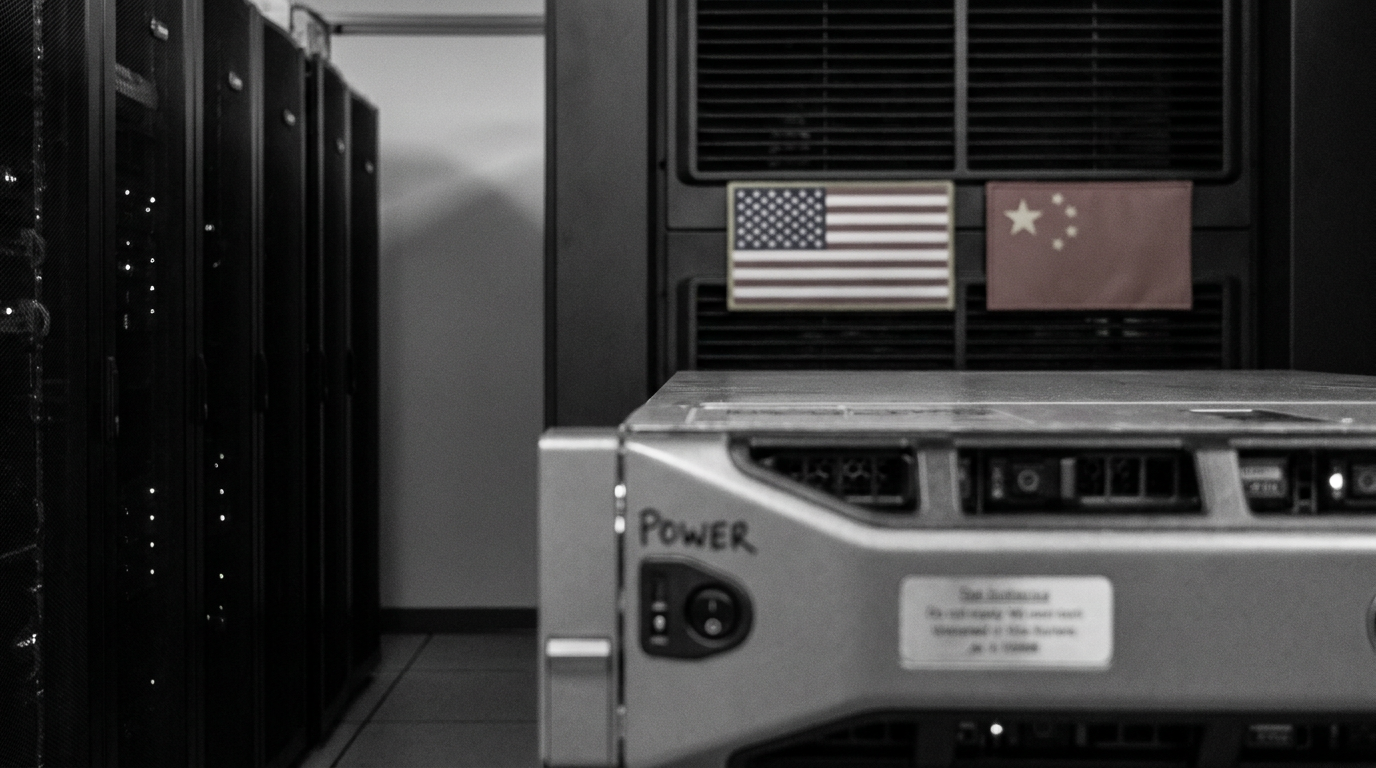
Kimi K3 subscriptions were paused by Moonshot after demand overloaded its computing capacity, raising questions over Chinese AI access.
The Beijing-based AI startup halted new signups for the model after its release drew more users than its infrastructure could comfortably support, according to the source material. The pause turns a successful launch into a capacity test for one of China’s closely watched AI companies.
Kimi K3 hits a compute wall
The source described Kimi K3 as an open-source model with performance close to leading U.S. systems. That positioning helped drive a surge in interest, but it also exposed the practical limit facing AI groups that need large amounts of computing power to serve users at scale.
For Moonshot, the immediate issue is not whether the model attracted attention. It is whether the company can turn that attention into reliable service while avoiding delays, degraded performance or tighter access controls for new users.
The pause also shows how open-source distribution can create a different kind of pressure. A widely available model may travel faster than a company’s servers, support systems and chip supply can expand.
IPO timing raises investor stakes
Moonshot is also reportedly preparing for a Hong Kong initial public offering, according to the source material. No timetable, valuation target or filing details were provided, leaving the scale and timing of any listing unverified.
An IPO effort would arrive as investor interest in Chinese AI companies remains tied to two competing narratives. One is that domestic models are closing capability gaps with U.S. rivals; the other is that compute access, export controls and geopolitical risk may limit commercial expansion.
The Kimi K3 pause feeds both sides of that debate. Strong demand can support the case for market appetite, but a subscription freeze gives potential investors a concrete operational question: whether Moonshot can scale capacity quickly enough to match product interest.
For China’s AI sector, the episode adds to a broader bottleneck around infrastructure. Advanced models require not only research teams and training data, but also sufficient chips, cloud capacity and inference systems to answer user requests after launch.
Washington weighs access risks
The source report said American officials have considered whether to restrict U.S. access to Chinese AI models. That discussion remains reported as a policy consideration, not a confirmed government action.
If Washington were to pursue such restrictions, the mechanism would likely center on access, distribution or use of Chinese AI systems by U.S. users and companies. For Moonshot, that could narrow a future international customer base, even if demand remains strong in China and other markets.
The wider industry would face a sharper split between AI ecosystems. Chinese developers could gain domestic momentum while losing some access to U.S. users, feedback loops and commercial partnerships.
If the policy discussion does not lead to restrictions, Kimi K3’s main constraint remains operational. In that scenario, Moonshot’s near-term priority would be adding computing capacity and restoring signups without damaging confidence among developers and early adopters.
Three paths for Moonshot
If demand stays elevated and Moonshot expands capacity, the company could convert the launch into proof that Chinese AI models can win users at scale. The macro effect would be greater pressure on global AI investment, Moonshot would enter any IPO process with a stronger growth story, and rival developers would face a higher bar for open-source releases.
If computing shortages persist, the demand surge could become a drag. The global effect would be a reminder that AI adoption is constrained by infrastructure, Moonshot would risk frustrating users before monetization matures, and the sector would see more caution around launches that exceed available capacity.
If U.S. access restrictions advance, the market question changes from product quality to geopolitical reach. That path could deepen the separation of AI markets, limit Moonshot’s exposure to American users and push the broader industry toward more regionally divided model ecosystems.
The open questions are specific: when Moonshot can reopen subscriptions, whether a Hong Kong listing materializes, and whether U.S. officials turn access concerns into policy. Until those answers arrive, Kimi K3 is both a demand signal and a stress test.