BlackRock debt sale targets $12 billion for Meta El Paso
BlackRock debt sale talks seek at least $12 billion for a Meta-backed El Paso data center, signaling private credit’s growing role in AI infrastructure.
Jason Kwon ·
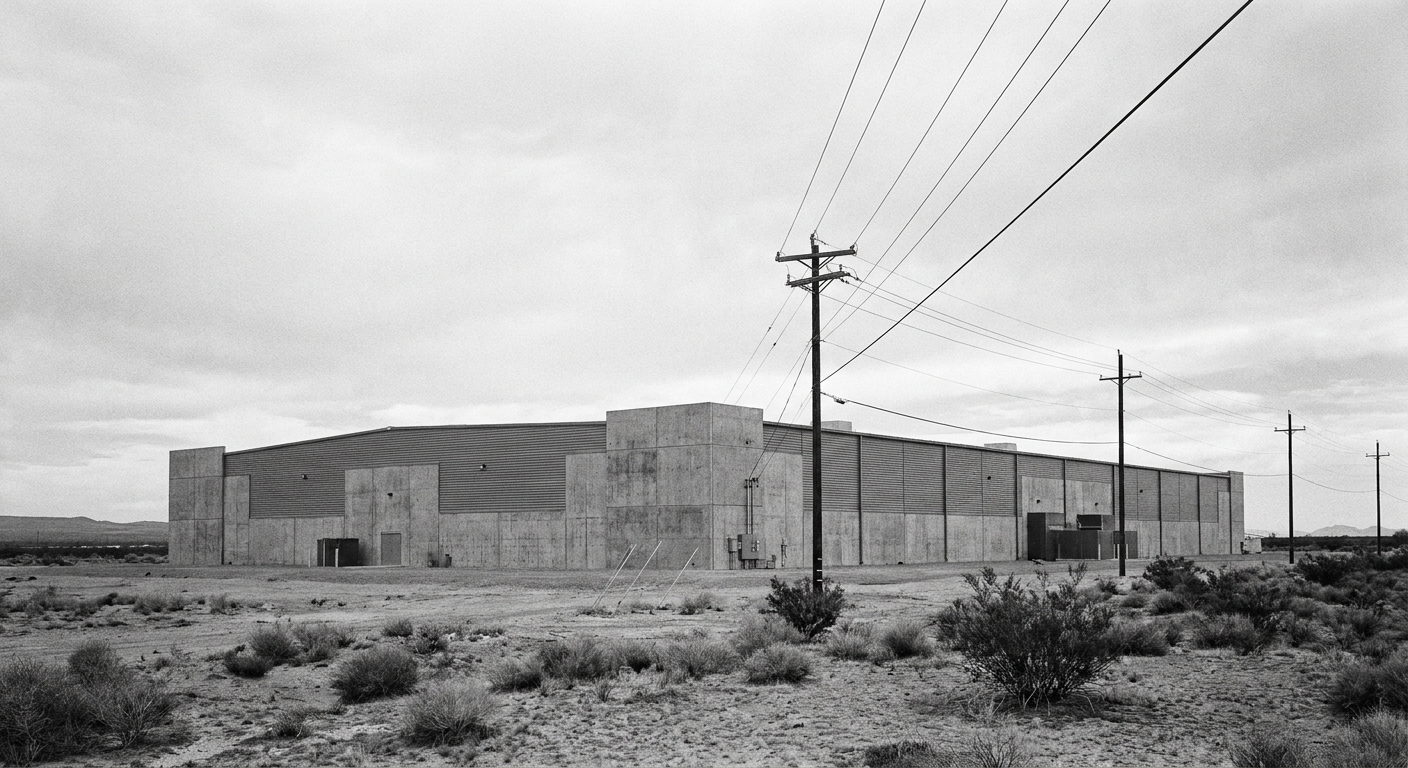
BlackRock debt sale talks are targeting at least $12 billion for a Meta-backed data-center project in El Paso, Texas, people familiar said.
BlackRock, through its main business and its infrastructure and private-credit units, owns 80% of the Texas project, according to people described as familiar with the financing. Meta Platforms, which is expected to use the data centers, holds the remaining 20%.
The complex is expected to carry about 1 gigawatt of capacity, the people said. That scale puts the financing at the center of a wider race to fund the computing power required by artificial intelligence services.
Meta’s El Paso financing
JPMorgan Chase and Morgan Stanley are leading the lender outreach for the debt package, according to the people. The banks are speaking with potential investors as the project seeks capital for construction and development.
The proposed borrowing would give Meta access to large-scale computing infrastructure without owning the entire asset. For lenders, the central issue is whether a long-term technology user and a large asset manager can support enough demand for a jumbo private financing.
No final pricing, maturity, covenant package or closing date was provided in the source material. Those details will determine how much risk investors are being asked to take against construction costs, power availability and future data-center demand.
BlackRock’s infrastructure pivot
BlackRock has expanded heavily into AI infrastructure over the past year, including a $40 billion agreement to buy Aligned Data Centers. People familiar with the matter also said Meta recently agreed to lease a large Aligned project being developed in Shippingport, Pennsylvania.
The El Paso effort fits a broader shift under Chief Executive Larry Fink. BlackRock’s purchases of Global Infrastructure Partners and HPS Investment Partners have pushed the $15 trillion asset manager deeper into owning, financing and operating private-market assets.
That evolution changes BlackRock’s role in deals like El Paso. Instead of only placing client money into securities, the firm is helping assemble the equity, debt and operating structure behind assets that large technology companies need.
The firm also participated in a $27 billion private-debt financing tied to Meta’s data center in Louisiana. BlackRock bought more than $3 billion of bonds in that transaction, according to details provided in the source material.
Private credit tests its scale
For Meta, the financing path can turn an expensive infrastructure build into a partnership with outside capital. That matters because AI systems require dense computing capacity, power contracts and specialized facilities that can strain even the largest technology budgets.
For BlackRock, a successful El Paso financing would strengthen its case that private markets can fund assets once dominated by public utilities, real-estate developers and bank lending. It would also give the firm another large example of how its infrastructure and credit platforms can work together.
The wider data-center sector is likely to read the deal as a template if investor demand holds. More hyperscalers could pair with infrastructure managers to secure capacity, while banks and private-credit funds compete to finance projects backed by leases from large technology customers.
The risks are concrete rather than theoretical. Power connections, equipment lead times, construction inflation, tenant concentration and interest-rate-sensitive debt pricing could all affect whether the El Paso project is financed on the terms sponsors want.
If the debt sale clears near the planned size at acceptable pricing, private capital would receive another channel into U.S. digital and energy infrastructure. Meta would gain a funding path for added capacity, while data-center developers would have a stronger model for large AI-linked projects.
If investor commitments slow or pricing rises, BlackRock may need to adjust the financing mix, add equity or phase the project more cautiously. That would raise Meta’s capacity-planning pressure and signal to the industry that only the strongest tenants and sponsors can carry the largest builds.
If construction or power delays appear even after financing, the constraint would shift from capital supply to execution. In that case, BlackRock would face asset-level delivery risk, Meta would face timing risk for AI capacity, and the sector would focus more sharply on grid access and equipment supply.
Investors will next look for the final size of the borrowing, the lender group, debt terms and any additional equity support. The unresolved questions are whether the project can lock in capital at scale, secure enough power and stay on schedule as AI infrastructure spending accelerates.