Global memory chip stocks slide as Samsung looks cheaper
Memory chip stocks have sold off, leaving Samsung cheaper than SK Hynix and Micron as investors weigh AI demand against oversupply risk.
Jason Kwon ·
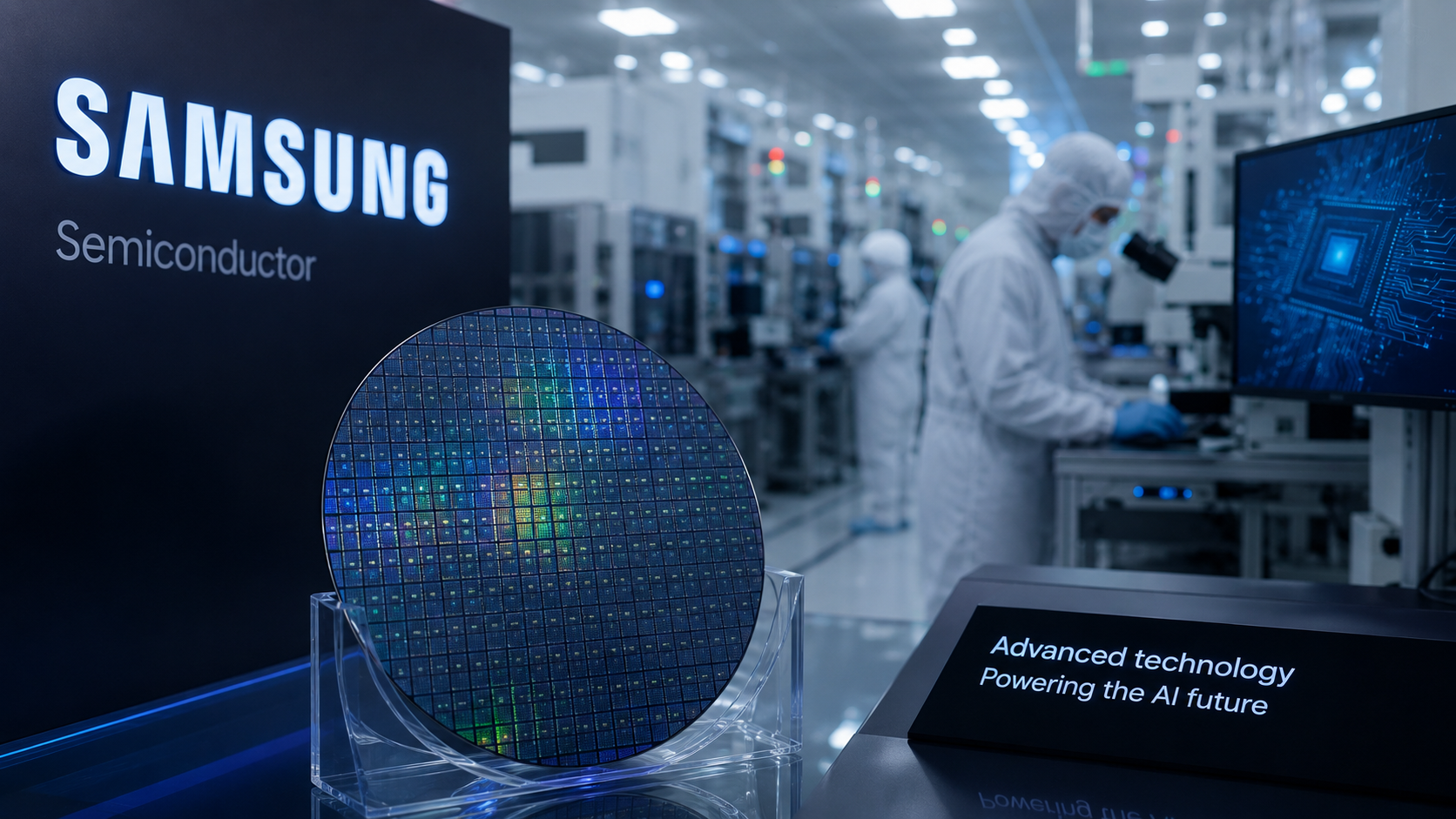
Memory chip stocks have pulled back after a yearlong surge, making Samsung the cheapest major AI memory name by key valuation measures.
Samsung trades below rivals
The decline has hit Samsung, SK Hynix and Micron Technology, the three companies most closely tied to the memory cycle. Samsung stands apart on valuation: it trades at just under 4 times book value, less than half the level assigned to SK Hynix and Micron.
Book value has long been a common yardstick for memory chip companies because their earnings can swing violently across cycles. On next year’s expected earnings, S&P Global Market Intelligence data cited in the source put Samsung at 4.4 times, SK Hynix at 4.6 times and Micron at 6 times.
Jing Jie Yu, a Morningstar equity analyst covering the two South Korean chipmakers, framed Samsung as the cheaper contrarian choice. He said: "If you ask me, from a risk-to-reward position, I do think Samsung here is the underdog, and so perhaps there’s a better chance of [its stock price] rerating up versus SK Hynix."
AI demand reshapes Samsung
Samsung’s semiconductor division supplied 61% of company sales in the March quarter, with phones, appliances, televisions and gaming monitors making up most of the balance. The unit mainly produces memory chips used in AI systems, along with simpler chips for consumer electronics.
Samsung reported that semiconductor revenue rose 226% from a year earlier in the March quarter, while operating profit jumped 4,781%. The chip business generated 94% of group operating profit, a sharp reversal from three years earlier, when semiconductors lost money and made up 22% of revenue.
Pricing has driven much of the rebound. Yu estimated that Samsung increased DRAM prices by 42% and NAND prices by 93% in the June quarter, while Samsung said June-quarter revenue rose 129% and plans to release fuller results on July 30.
The same pricing cycle has lifted rivals. Micron and SK Hynix are each up close to 700% over the past year, while Samsung has gained nearly 300%, according to the figures in the source material.
Listings and factories shift the race
Samsung is also harder for some global investors to access because it is not listed in the U.S. Micron is U.S.-based, while SK Hynix recently listed shares on Nasdaq in a $26.5 billion offering; Samsung denied a report that it was weighing a U.S. listing.
SK Hynix shares have fallen 8% since the Nasdaq debut, with investor concern focused on whether today’s high prices can survive new supply. The company has said it wants to at least double production capacity within five years, supported by proceeds from the listing.
Samsung is accelerating its own buildout. The company told a technology publication that it aims to start operations at its first Yongin chip plant in 2029, two years earlier than previously planned, while Micron has raised its U.S. factory and operating commitment to $250 billion through 2035.
New supply tests the boom
Capacity is the central risk because new chipmaking lines can take one to two years to reach production. If demand cools before those factories are fully loaded, the industry could repeat the overbuilding patterns that have marked earlier memory booms.
Competition is also broadening. Counterpoint Research said China’s CXMT increased its DRAM share to 8% in the first quarter from 3% a year earlier, and the source material said it aims to reach roughly Micron’s monthly DRAM scale by year-end.
Regulation may limit how quickly that supply affects U.S. buyers, since CXMT chips are restricted for them. Apple has tested the components and pushed for a policy change, according to the source material, while Japan’s Nanya is also increasing output.
Scenarios for Samsung and the sector
If AI server demand continues to absorb DRAM and NAND supply, memory pricing could stay firm into 2027. That path would keep hardware costs elevated globally, strengthen Samsung’s chip earnings and reward the industry’s aggressive factory spending.
If long-term customer agreements begin to expire in 2029 and 2030 as Yu projects, while new factories arrive into slower demand, margins would come under pressure. Cheaper chips could ease some device-price pressure, but Samsung’s earnings would become more cyclical and the sector could return to oversupply.
A middle path would see AI demand keep growing while Chinese and Japanese supply caps further price increases. The key open questions are customer AI budgets, access for CXMT components, and whether Samsung, SK Hynix and Micron can phase capacity without flooding the market.