Kia narrows EV price gap with Chinese rivals in Europe
Kia says it cut its Europe price gap versus Chinese EV brands in 2026, as BYD registrations surged in March and incentives weighed on profit.
Atlas Newsdesk ·
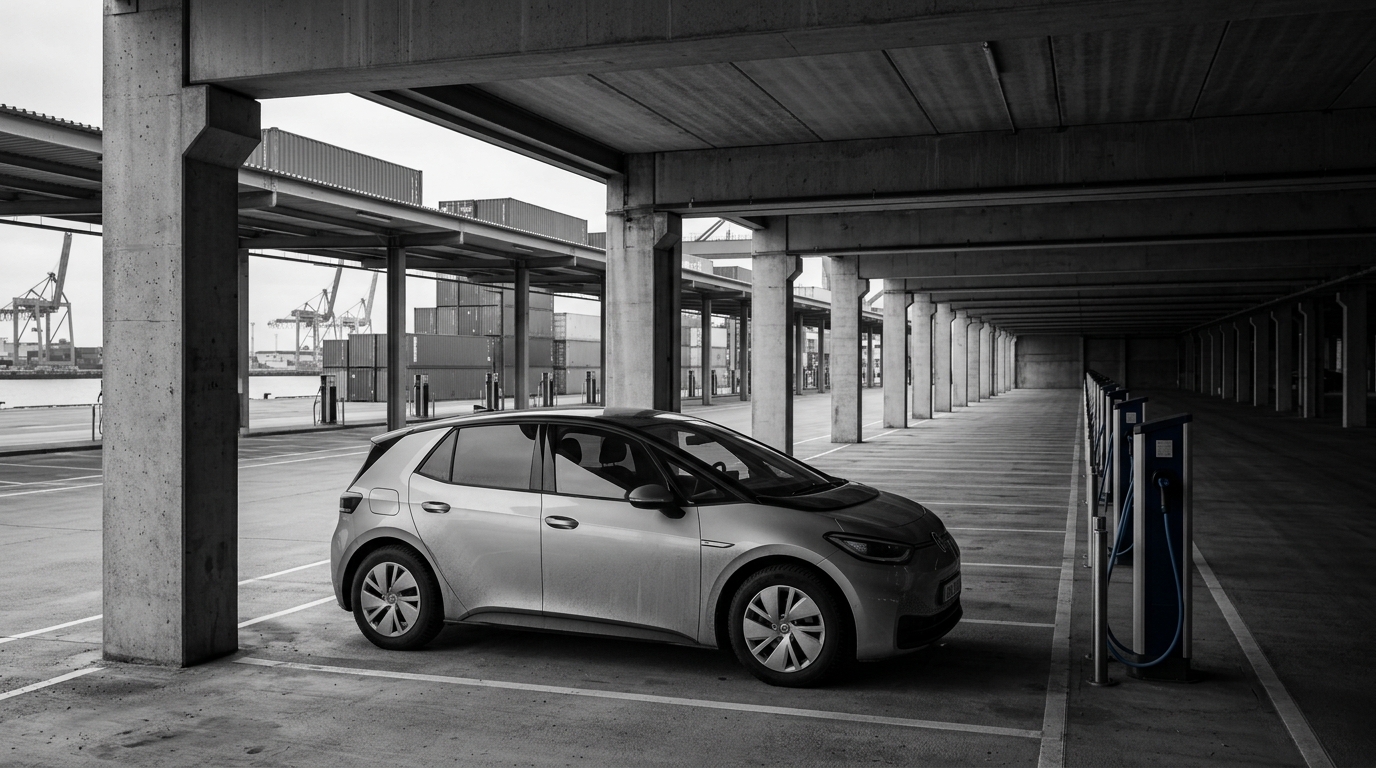
Kia Corp said it has moved to reduce the price difference between its vehicles and those sold by Chinese competitors in Europe in 2026, as the region becomes a key arena for global automakers.
Kia CEO Song Ho-sung confirmed the shift at an investor event earlier this month, linking the move to the growing presence of Chinese electric vehicle (EV) brands across European markets.
Pricing gap tightens across European markets
According to the company’s comments, the pricing gap in Europe has narrowed from about 20-25% to roughly 15-20%, with the exact level varying by country.
Kia described the adjustment as a deliberate effort to reduce the advantage held by lower-priced Chinese models as competition intensifies.
The company also pointed to the rising importance of pricing and incentives in determining market share outcomes in Europe.
Chinese EV makers accelerate expansion, led by BYD
Chinese EV manufacturers, including BYD, have been stepping up their push into Europe, according to the company’s remarks.
Kia said this expansion is being driven by slower growth in China and restricted access to the U.S. market, prompting Chinese manufacturers to prioritize Europe as an outlet for volume growth.
Kia added that Chinese brands’ market-share gains in Europe have been faster than it had expected, particularly as these companies promote more affordable EV offerings.
Registration data highlights diverging momentum
Recent registration figures cited in the material show the pace of change in Europe. In March, BYD’s car registrations in Europe rose by nearly 150%.
Over the same period, the overall market grew 11%, while Kia and Hyundai recorded growth of 6%, underscoring the relative momentum of Chinese entrants versus established Asian competitors in the region.
Incentives and profitability pressures
Kia also reported a quarterly profit decline and said the result was partly linked to higher sales incentives in Europe.
The company described incentives as a tool to defend competitiveness as Chinese manufacturers expand with lower-priced EV models, framing the approach as a trade-off between near-term pressure and protecting its position in a more price-contested market.
Outlook and uncertainties
Looking ahead, Kia said it plans to use its existing profitability to sustain competition against these rivals.
The company also highlighted uncertainties around how quickly Chinese brands can continue to scale in Europe and how much pricing pressure incumbents will absorb through incentives.
For global markets, the developments reinforce Europe’s role as a central testing ground where pricing strategies, profitability, and EV adoption trends are being contested in real time.