Kevin Warsh Nomination for Fed Chair Poised to Advance
Kevin Warsh Fed Chair nomination advances after Sen. Thom Tillis lifts his hold, following the DOJ ending its Powell probe Friday.
Atlas Newsdesk ·
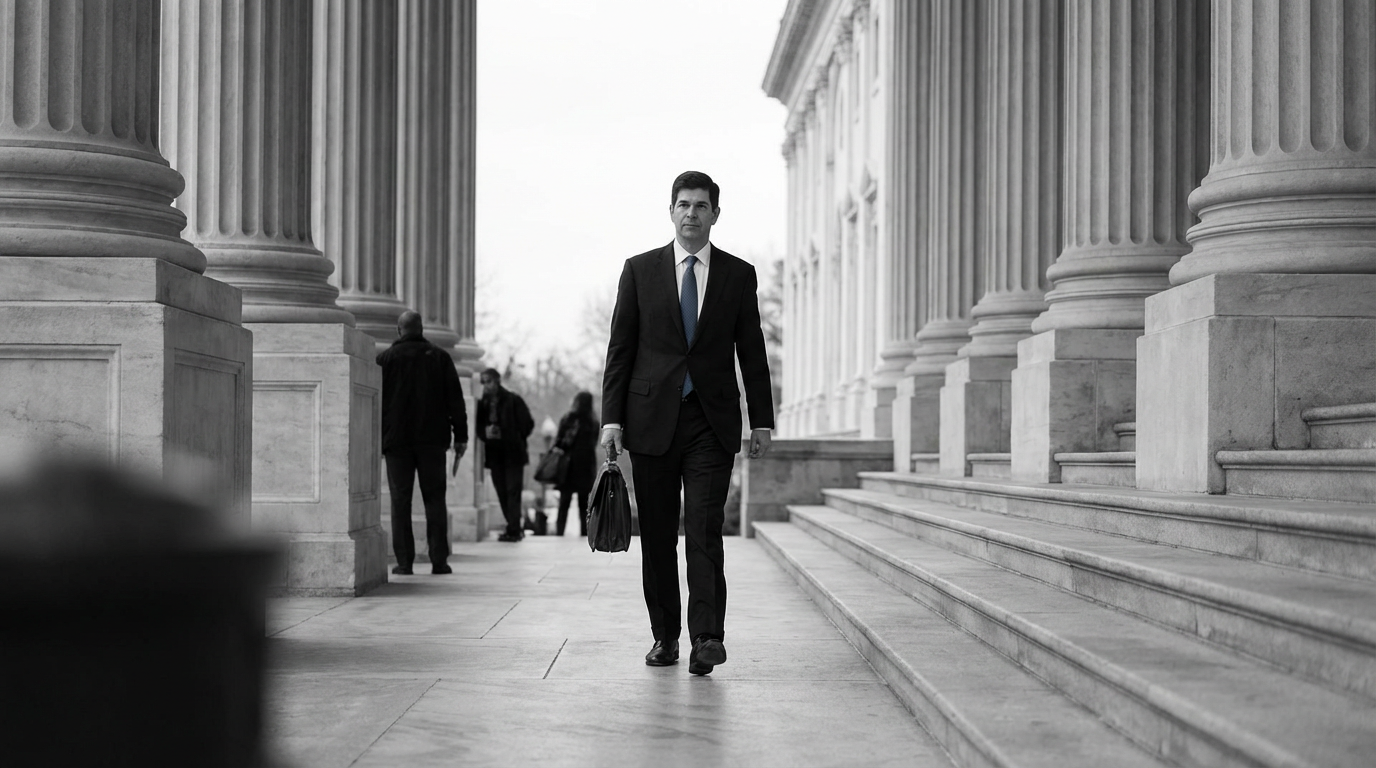
Kevin Warsh’s nomination to lead the U.S. Federal Reserve is set to move ahead after a key Senate obstacle was removed. The shift came Sunday when Senator Thom Tillis said he would no longer hold up the process. Tillis had previously said he would block President Donald Trump’s nominee until a federal investigation involving current Fed Chair Jerome Powell was formally concluded.
The opening for Warsh’s nomination followed action by the Department of Justice, which ended its criminal investigation into Powell on Friday. Officials confirmed the probe was dropped, removing a source of uncertainty that had hung over the Federal Reserve’s leadership. Tillis had tied his procedural stance directly to the status of that investigation, and his decision to step aside effectively clears the way for the nomination to proceed to the Senate for confirmation hearings.
The development puts the spotlight back on the central bank’s leadership transition and the politics surrounding it. President Trump had earlier told Semafor he was open to an alternative process to the DOJ investigation, indicating he wanted to move forward with a change at the Fed. With the investigation now closed and Tillis no longer objecting, the next stage is expected to be Senate hearings where lawmakers can question Warsh directly.
Confirmation hearings are likely to focus on monetary policy and the Fed’s independence at a time of competing pressures. Trump has repeatedly pushed for interest rate cuts to support economic activity. At the same time, the source material notes concerns about rising inflation, described as partly driven by increasing gas prices—an environment that can argue for tighter policy rather than easier financial conditions.
If confirmed, Warsh would face immediate scrutiny over how he would balance White House policy preferences with the Federal Reserve’s mandate for price stability. The hearings are expected to probe his views on inflation management, interest rates, and the Fed’s role in the U.S. economy. A central uncertainty is how Warsh would demonstrate autonomy from the executive branch, as establishing credibility on institutional independence is described as an early test for any incoming chair.