Kalshi Case Puts Insider Bets on Speeches Under Scrutiny
Kalshi said it froze about $100,000 linked to a White House aide’s Trump speech wagers and referred the case to federal regulators.
Lauren Collins ·
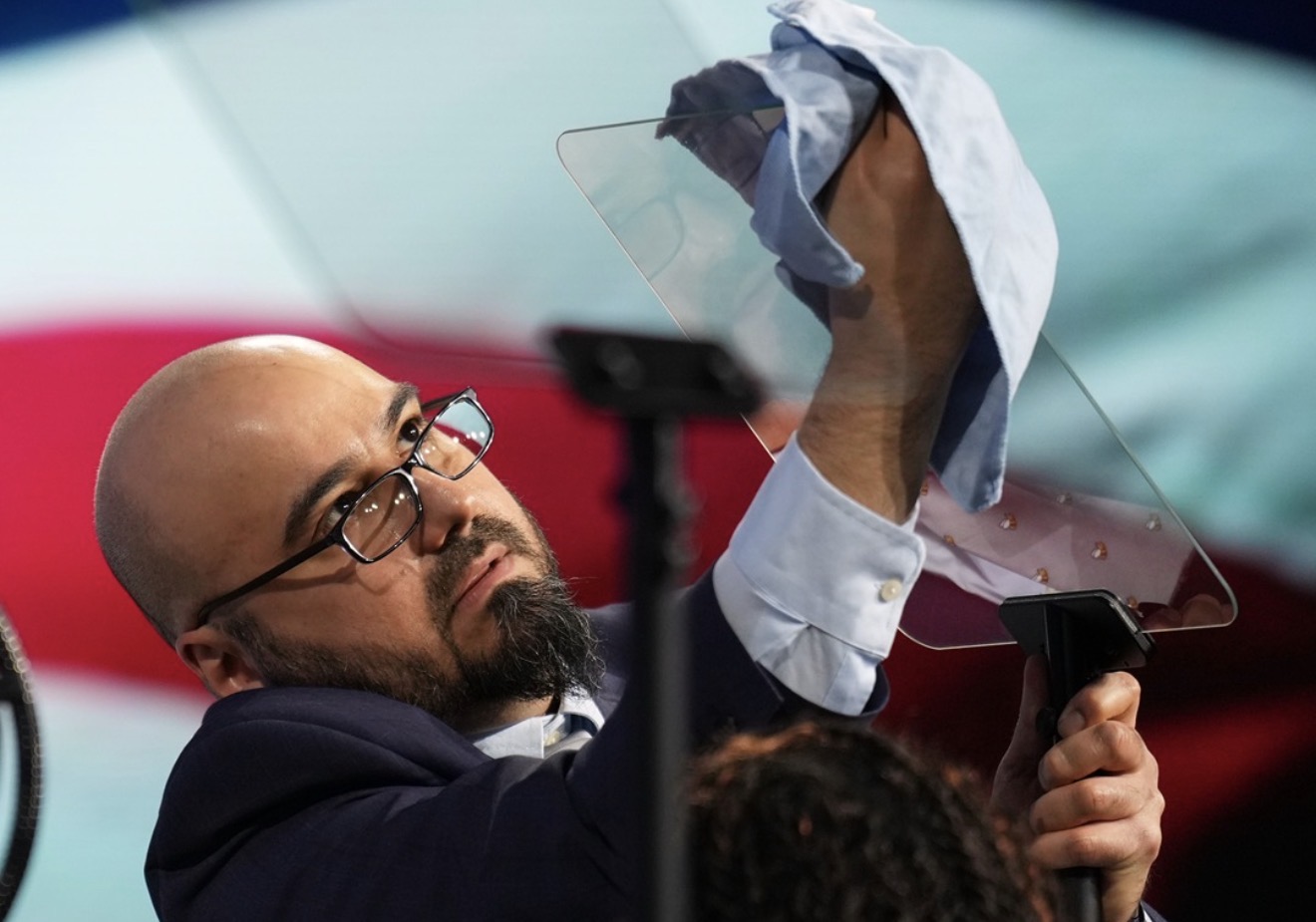
Kalshi froze about $100,000 tied to a White House aide’s Trump speech bets, putting prediction-market controls under federal review.
The company said Gabriel Perez, described as a technical assistant to President Trump, wagered on words likely to appear in presidential remarks. The bets involved categories such as country names and economic terms, according to Kalshi.
March surveillance flagged Perez
Kalshi said its monitoring systems detected Perez’s activity in March and led the company to freeze money in his account. The firm then referred the matter to the Commodity Futures Trading Commission, the federal regulator overseeing prediction markets.
A person with knowledge of the discussions said Perez is speaking with federal regulators about a possible settlement over allegations that he relied on inside knowledge of speech content. The same person said he has cooperated with the process.
The CFTC said through a spokeswoman that it could not confirm or deny an investigation. Perez could not immediately be reached for comment, according to the account provided in the source material.
"We have charged this individual and have been assisting regulators on this matter and provided evidence we collected, as we do in any referral,"
Robert DeNault, Kalshi’s head of enforcement, said in an emailed statement, referring to the company’s rules against insider trading.
Speech words become wagers
Prediction markets let users take financial positions on whether specified events will occur. Contracts can range from elections and sports outcomes to television contests, creating a market around information that was once mostly the domain of polling, bookmakers, or fan speculation.
Kalshi and Polymarket have become prominent names in that shift, drawing billions of dollars in trades, according to the source article. Their rise has also brought sharper scrutiny over whether some contracts conflict with state gambling laws or invite trading based on information not available to the public.
The Perez case sits at the center of that tension because the alleged edge was not a polling model or public analysis. It was access to the wording of presidential remarks before the market could price that information fairly.
Candidate bets widen scrutiny
The White House aide case follows other episodes that have tested prediction-market guardrails. In April, three political candidates were found trying to wager on their own races, according to the source material.
In June, federal authorities said they were examining whether former Representative George Santos had placed a bet tied to his attendance at President Trump’s State of the Union address. Those cases point to a recurring problem: people closest to an event may have the strongest financial incentive to trade on it.
For Kalshi, the immediate business issue is confidence in its surveillance and enforcement process. Freezing funds and notifying the CFTC gives the company a compliance record to point to, but the alleged profit still raises questions about how quickly insiders can be detected once niche contracts go live.
The wider sector faces a policy test. If regulators treat the Perez matter as evidence of a broader insider-trading risk, exchanges may face tighter listing standards, identity controls, or restrictions on contracts linked to official activity.
If a settlement is reached and the facts remain narrow, Kalshi may argue that its controls worked because the trades were flagged and funds were frozen. The macro effect would likely be indirect, tied less to economic output than to whether regulated prediction markets gain credibility as tools for pricing political and event risk.
If more cases surface, the pressure would spread beyond one company to the business model itself. The next signals are any CFTC action, settlement terms, changes to Kalshi’s market rules, and whether political or government-linked contracts face new limits.