Joshua Wong Pleads Guilty to Foreign Collusion Charge
Hong Kong activist Joshua Wong pleaded guilty to a collusion charge, potentially extending his current four-year and eight-month imprisonment.
Lauren Collins ·
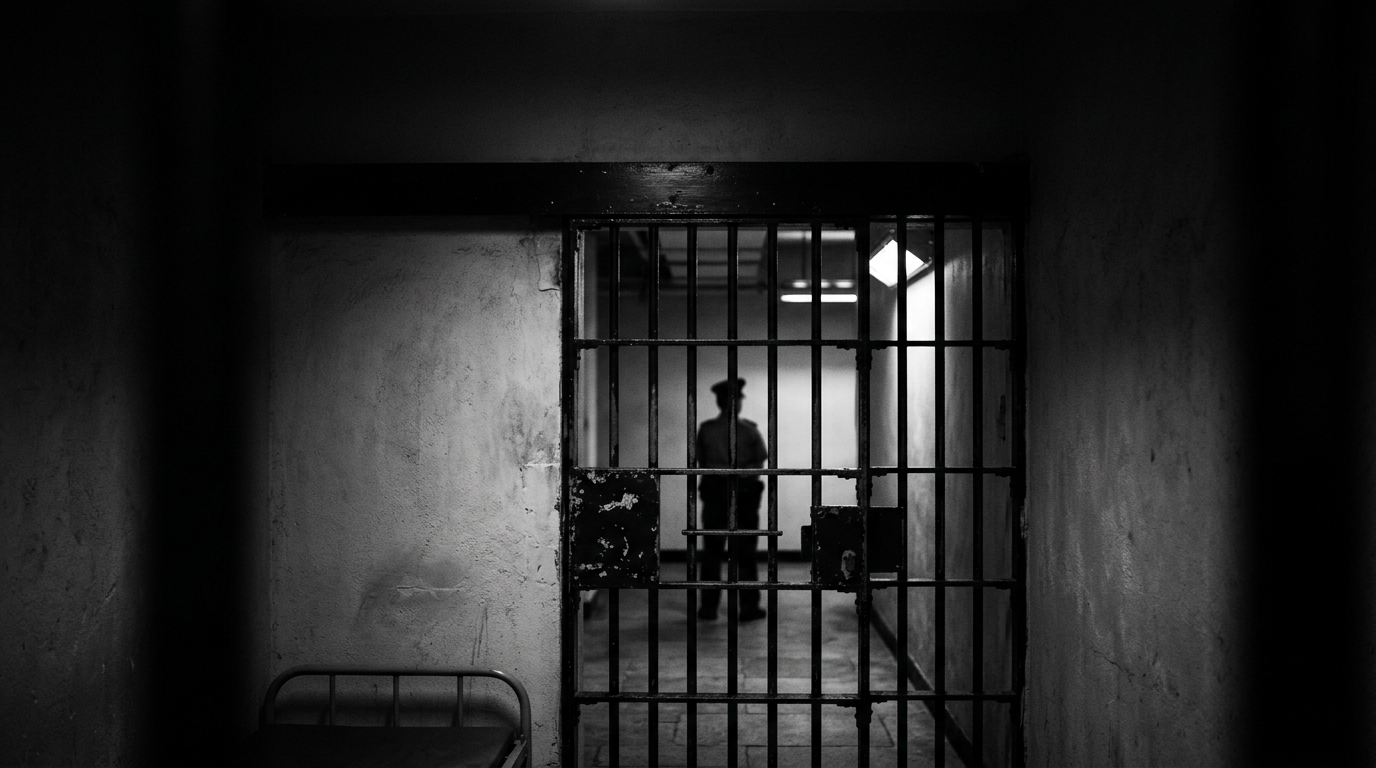
Prominent Hong Kong pro-democracy activist Joshua Wong formally pleaded guilty in the Hong Kong High Court to a charge of conspiracy to collude with foreign forces. This admission, made public on Wednesday, relates to activities initiated in 2016 that aimed to encourage international sanctions against authorities in both mainland China and Hong Kong.
Court documents indicated that Wong collaborated with other political figures to discourage foreign investment within mainland China. The campaign also sought to impede the supply of forensic technology to local law enforcement agencies, according to evidence presented during the proceedings.
Prior Convictions and Ongoing Legal Challenges
Wong's latest guilty plea occurs while he is already serving a four-year and eight-month prison sentence. This prior conviction stemmed from a separate charge of conspiracy to subvert state power. The court confirmed that the activities in question were intended to pressure the central government to revoke security law and modify the city's political framework.
The current legal developments highlight the continued judicial scrutiny of cross-border political advocacy within Hong Kong. This case underscores the significant legal repercussions faced by individuals involved in international lobbying efforts perceived as acting against state institutions.
Anticipated Sentence Extension
Legal analysts anticipate that this recent conviction will likely lead to an extended term of imprisonment for Wong. The activist, who is 29 years old, could face additional years behind bars as a result of this latest charge. The exact duration of the extended sentence will be determined at a later date following further court proceedings.
Wong rose to prominence as a student leader during the 2014 Umbrella Movement protests and remained a vocal figure in Hong Kong's pro-democracy movement for years. His ongoing legal battles and detentions have drawn international attention, reflecting broader concerns about civil liberties and political freedoms in the semi-autonomous region.
This guilty plea marks another significant moment in the legal crackdown on dissent in Hong Kong, particularly following the implementation of security law in 2020. The law criminalizes secession, subversion, terrorism, and collusion with foreign forces, with penalties ranging up to life imprisonment. International organizations and governments have expressed concern over its broad application and impact on civil society.
Implications for Future Activism
The outcome of Wong's case is closely watched by human rights groups and international observers, as it could set a precedent for future cases involving similar charges. The emphasis on efforts to deter foreign investment and disrupt technology supply lines reflects the specific concerns of authorities regarding external influence and critical infrastructure. The court's interpretation and application of security law continue to shape the political landscape of Hong Kong.