Hormuz Closure Strands Flights, Fuel Dries Up
Jet fuel shortages escalated in early 2026 after Iran closed the Strait of Hormuz on April 18, 2026, forcing airline cuts and delays.
Atlas Newsdesk ·
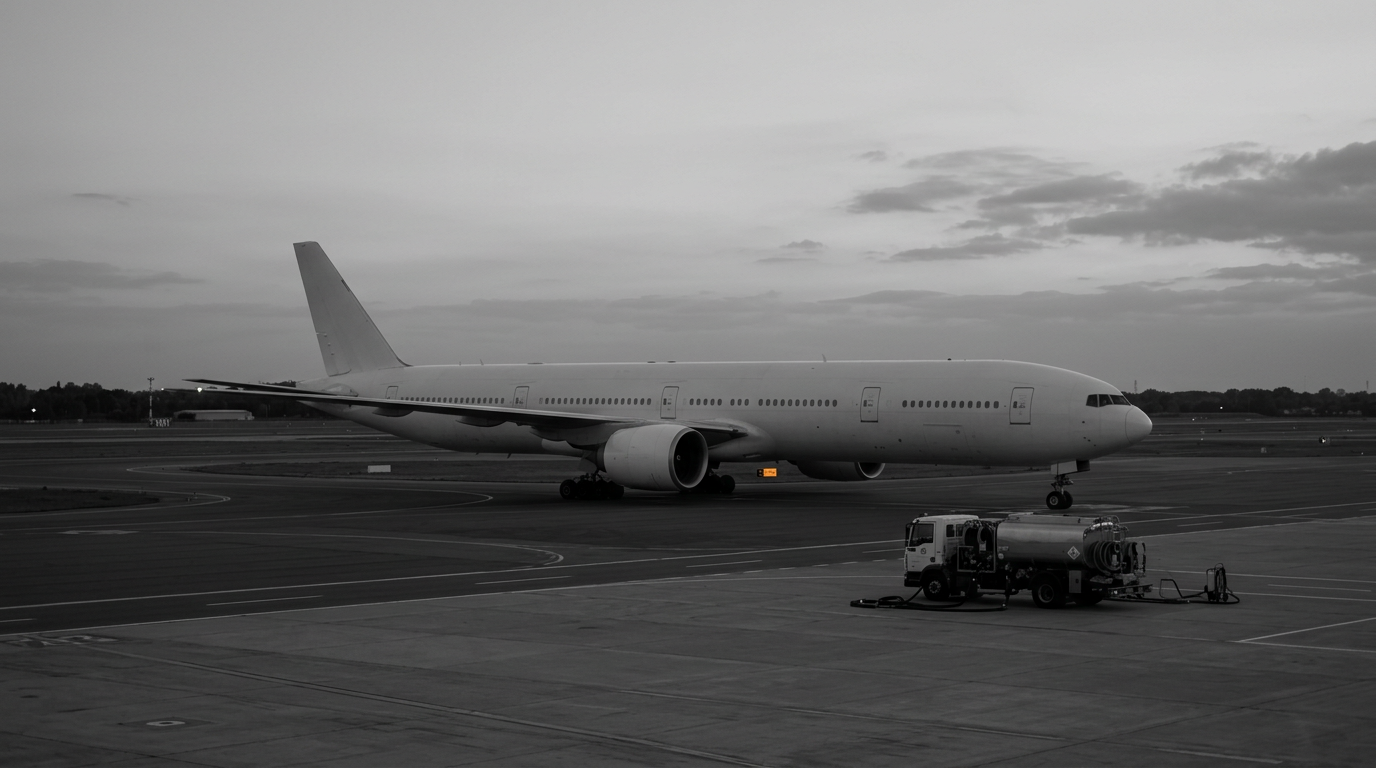
Global airlines are facing operational disruption as jet fuel shortages spread across key markets, triggering cancellations and schedule changes. The supply strain intensified in early 2026, with carriers reporting tighter availability and higher fuel costs. Airlines have responded by trimming flight frequencies and sourcing alternative supplies that are often more expensive.
Officials linked the sharp escalation to geopolitical tensions and exposed supply-chain vulnerabilities, particularly in regions that depend heavily on specific oil-producing nations. The most direct catalyst cited was the ongoing conflict in the Middle East and the closure of the Strait of Hormuz by Iran on April 18, 2026.
The Strait is described as a critical global chokepoint for the movement of crude oil and refined petroleum products, including jet fuel, and the closure has constrained transit through the route.
With less product moving through that corridor, airlines have been forced to manage both price pressure and physical scarcity. Companies have adjusted operations to conserve fuel and maintain essential services, including reducing the number of flights on certain routes. Some carriers have also sought alternative fuel sources, but these options have been described as costlier, adding to overall operating expenses.
For passengers, the immediate effects include a higher likelihood of delays and cancellations, alongside the prospect of increased ticket prices as airlines pass through rising costs. The disruptions are not limited to one region, reflecting the global nature of aviation fuel procurement and the interconnectedness of energy supply routes. The situation has also highlighted how quickly geopolitical events can translate into operational constraints for international transport networks.
What it means: The shortages underscore the sensitivity of global aviation to disruptions in oil and refined-product flows, especially when a major transit route is constrained. Airlines’ near-term focus is on maintaining schedules where possible while managing fuel availability and cost exposure. Over a longer horizon, the industry could see changes in route planning and a stronger push toward fuel efficiency and diversification of energy sources, as described in the source material.
How long the disruption lasts remains uncertain. The source material states the situation is expected to persist as long as geopolitical instability in the Middle East continues to affect oil supply routes, leaving airlines, travelers, and related sectors exposed to ongoing volatility.