Japan Imposes 30 km/h Speed Limit on Residential Roads
Japan has mandated a 30 km/h speed limit on Tuesday for narrow residential streets nationwide, aiming to boost pedestrian safety.
Lauren Collins ·
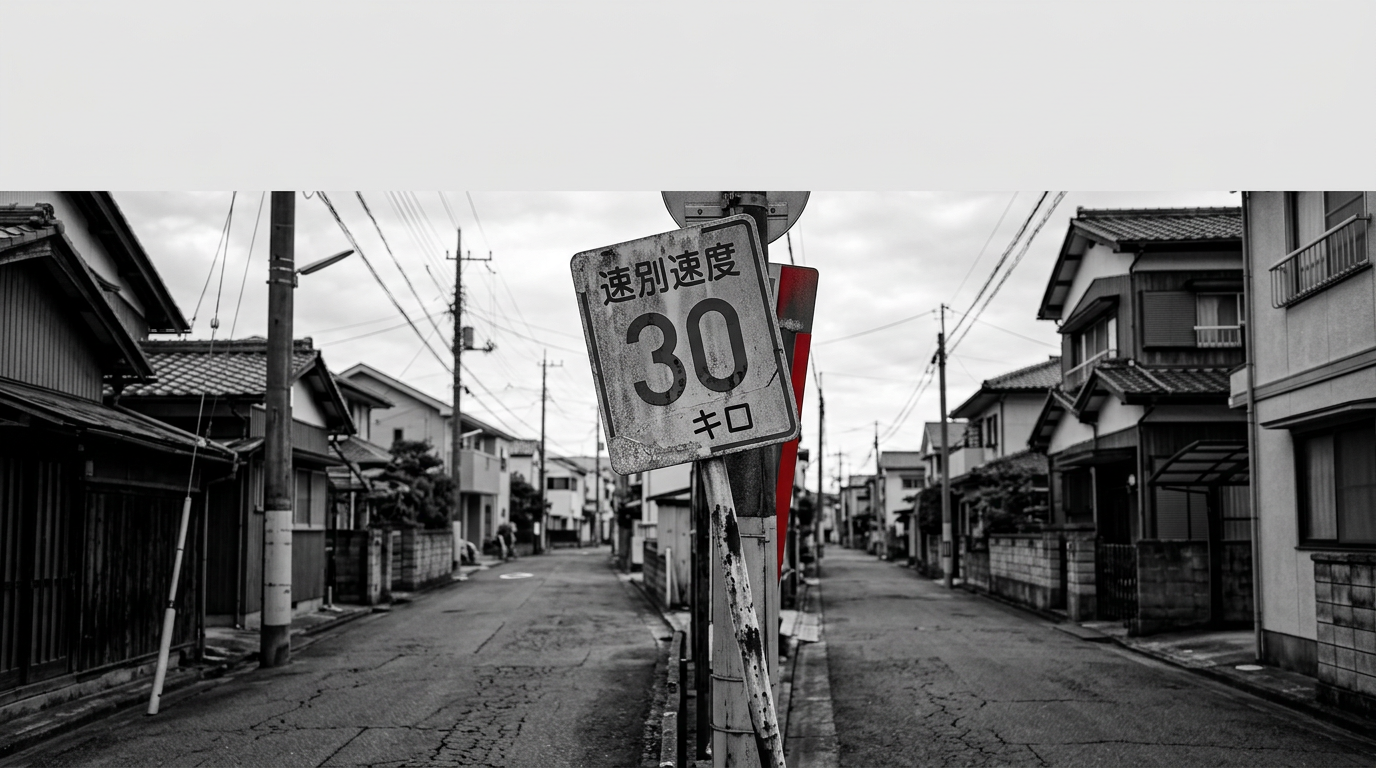
Japanese authorities have implemented a new nationwide speed restriction, limiting vehicles to 30 kilometers per hour on narrow residential roads that lack central dividing lines or median strips. This significant policy change, enacted on Tuesday, is designed to enhance safety for pedestrians across the country.
The new regulation impacts an estimated 870,000 kilometers of roadway, which constitutes about 70 percent of Japan's total general road network. This broad application underscores the authorities' commitment to addressing persistent safety concerns, particularly for vulnerable road users in urban and suburban areas.
Targeting Pedestrian Fatalities
The primary objective of this measure is to reduce the number of pedestrian fatalities, especially among children and the elderly. These demographic groups face higher risks on streets that do not provide dedicated sidewalks, making them more exposed to traffic hazards.
Data from Police Agency highlights the critical link between vehicle speed and pedestrian mortality. Statistics indicate that the risk of death for a pedestrian struck by a vehicle escalates sharply with increasing speed. At 30 km/h, the mortality rate is less than 1 percent. However, this figure jumps significantly to 17.4 percent when vehicles are traveling between 50 km/h and 60 km/h, underscoring the danger posed by higher speeds in residential settings.
Building on Prior Successes
This widespread regulatory adjustment follows the successful implementation of localized "Zone 30" initiatives, which were first introduced in 2011. These pilot programs demonstrated a tangible positive impact, correlating with a notable 30 percent reduction in serious injuries and fatalities within the designated areas where lower speed limits were enforced.
Despite Japan achieving a record low of 2,457 total traffic deaths last year, the number of accidents involving vulnerable road users on residential streets has remained stubbornly consistent. Since 2021, approximately 300 such incidents have been reported annually, prompting this comprehensive legislative intervention to bolster urban safety standards nationwide. The consistent rate of these specific accidents, even amid an overall decline in road fatalities, signaled a need for more direct action on these particular road types.
Broader Implications for Urban Planning
The new 30 km/h limit reflects a growing global trend towards prioritizing urban safety and liveability over speed, particularly in densely populated residential zones. Similar initiatives have been adopted in various European cities, aiming to create safer environments for walking and cycling. Japan's move on such a significant portion of its road network positions it as a leader in this area, potentially influencing other nations grappling with similar urban safety challenges. The focus on roads without center lines or median strips specifically targets environments where physical separation between vehicles and pedestrians is minimal, making speed control even more critical for accident prevention.