New Israeli Facility Expands Capital Punishment Powers
Israel is constructing a new execution facility, specifically for Palestinians convicted of terror offenses in military courts, following recent legislation…
Atlas Newsdesk ·
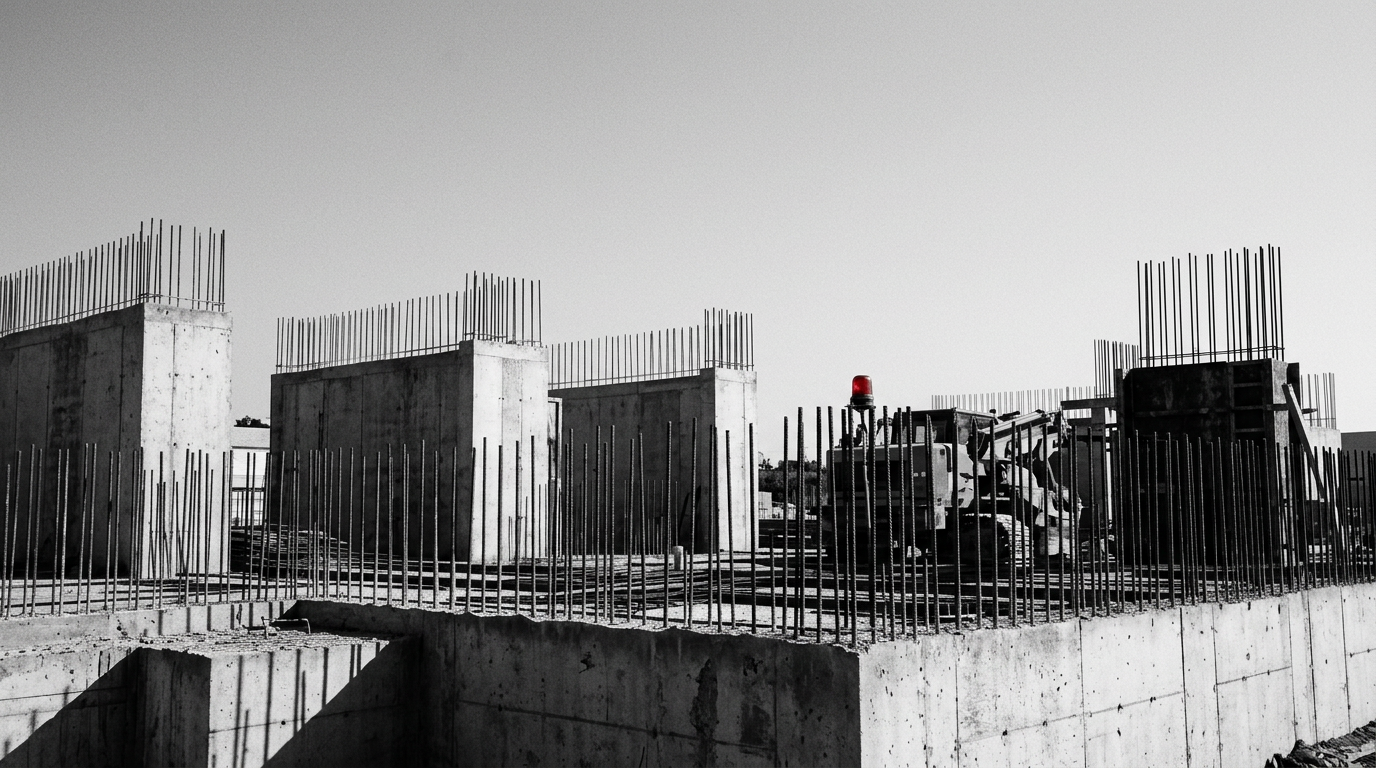
Israel is currently constructing a new facility designed for executions, as confirmed by a recent video published by National Security Minister Itamar Ben-Gvir. This site is specifically designated for Palestinian individuals convicted of terror-related offenses within military court jurisdictions. The construction is reportedly underway near an existing prison, though its precise location remains undisclosed.
This development follows the Knesset's approval of new legislation, which mandates capital punishment for certain security-related crimes. Under this updated legal framework, military courts are now required to impose the death penalty as the primary sentence, unless specific mitigating circumstances are identified during trial. The law explicitly targets Palestinians, with Israeli citizens excluded from facing the same judicial process under this new mandate.
Legislative Shift in Military Justice
The establishment of this new facility and the associated legislation mark a significant alteration within Israel's military justice system. It indicates a clear shift from the previous default of life imprisonment for such offenses towards state-sanctioned executions. Historically, the death penalty has been a part of Israeli law for extreme circumstances, such as genocide or treason, but it has only been carried out once, against Adolf Eichmann in 1962. The newly mandated death penalty exclusively applies to military courts, which primarily oversee cases involving Palestinians from the West Bank and Gaza. This distinction has drawn substantial international criticism.
The new legislation and the ongoing construction of the execution facility underscore a hardening stance on security issues by Israeli authorities, particularly concerning acts defined by them as terrorism. This move comes amid increasing diplomatic tensions, including ongoing disputes regarding Israeli settlement expansion in the West Bank and recent statements from government officials concerning punitive military operations.
International Concerns and Broader Context
The project has attracted considerable international scrutiny and widespread condemnation. Global leaders and various human rights organizations have consistently characterized the new law as discriminatory and a direct violation of international legal standards. Critics argue that the law's application exclusively to Palestinians raises serious questions about equality before the law and due process, fundamental principles in international legal systems.
The facility is expected to become operational once its current construction phase concludes. Reports suggest that plans for the site include dedicated viewing areas for victims' families, emphasizing its role in a retributive justice system. The international community continues to monitor these developments closely, with concerns focused on human rights implications and the potential for heightened regional instability.