Liberia Charges Former VP with Drug Trafficking
Liberian authorities charged former President Jewel Howard-Taylor on August 20, 2026, with drug trafficking and money laundering.
Lauren Collins ·
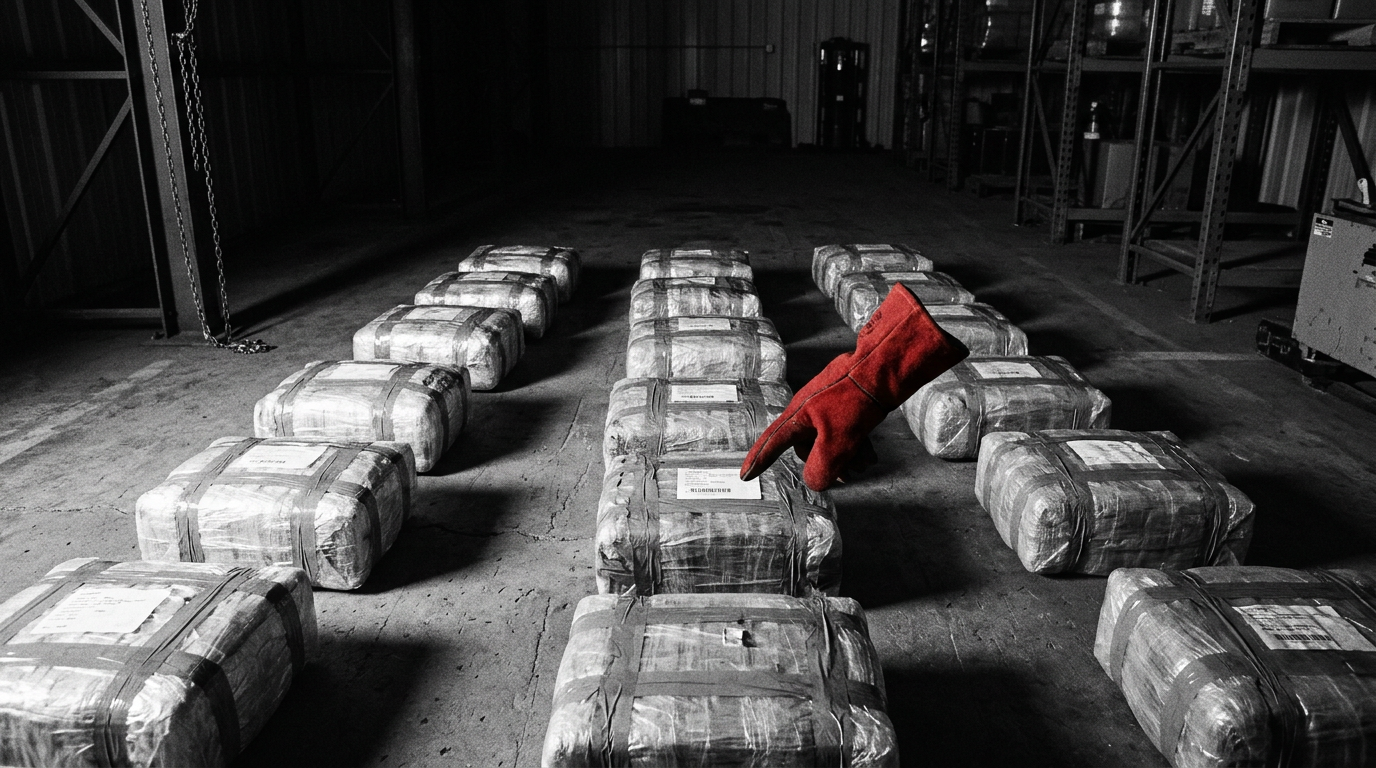
Liberian authorities formally charged former President Jewel Howard-Taylor with drug trafficking and money laundering on August 20, 2026. The charges followed her detention at Roberts International Airport in Monrovia. The Ministry of Justice has accused Howard-Taylor of facilitating the unlawful import and distribution of controlled substances within the country.
This legal action represents a significant escalation in the government's efforts to combat transnational narcotics organizations. The investigation has allegedly linked the former high-ranking official to a criminal group that includes three foreign individuals: two Croatian citizens and one Ukrainian national, all of whom have been indicted in absentia.
Regional Drug Transit Challenges
The charges emerge amid increasing concerns over West Africa's role as a major transit route for cocaine. Large quantities of the drug, often originating from South America, are moved through the region en route to European markets. Liberia has recently experienced some of its largest historical drug seizures, highlighting the growing challenges faced by national authorities in controlling illicit narcotics trade.
These enforcement operations underscore a broader regional issue where limited resources and porous borders make countries susceptible to international trafficking networks. The sustained efforts by law enforcement agencies aim to disrupt these complex supply chains that exploit West African nations for their strategic geographical position.
Boakai Administration's Anti-Corruption Drive
The arrest and subsequent charges against Howard-Taylor are seen as a key development under President Joseph Boakai's administration, which took office in 2024. President Boakai campaigned on a strong platform committed to tackling systemic corruption and dismantling illicit trade infrastructure across Liberia. His administration has consistently stated its intention to prevent Liberia from becoming a safe haven for drug trafficking activities.
Howard-Taylor, who served as President from 2018 to 2024, is the most prominent figure to face prosecution under the current government's initiative to curb organized crime and bolster institutional integrity. The outcome of these proceedings will be closely observed as a critical indicator of the administration's resolve in fulfilling its pledges and its capacity to dismantle deeply entrenched illicit networks within the nation.
Implications for Governance and Rule of Law
The prosecution of a former President on such serious charges carries substantial implications for Liberia's governance and the rule of law. It signals a potential shift towards greater accountability for high-ranking officials, regardless of their past position. Observers will be monitoring whether the legal process is conducted transparently and fairly, upholding due process while demonstrating the government's commitment to eradicating corruption at all levels.
The case could also influence international perceptions of Liberia's stability and its efforts to combat global organized crime, potentially impacting foreign investment and aid. Successful prosecution could reinforce the administration's credibility, while any perceived irregularities might undermine public trust and international support for its anti-corruption agenda.