Pentagon Tomahawk Output Boost in Raytheon Deal
Pentagon Tomahawk output rises under a multi-billion Raytheon contract announced Aug. 18, 2026, shifting procurement to faster delivery.
Atlas Newsdesk ·
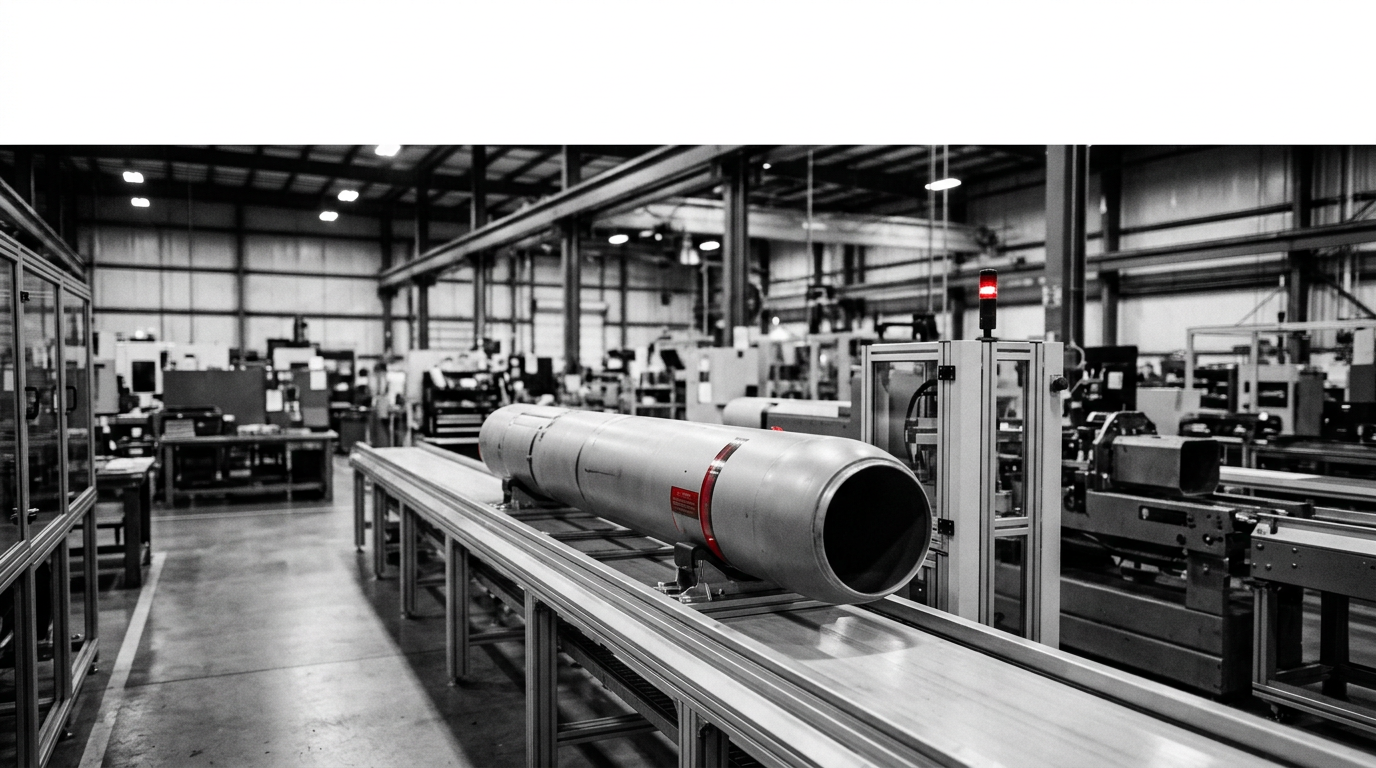
The U.S. Department of Defense said it has finalized a multi-billion dollar contract with Raytheon aimed at speeding up the manufacturing and delivery of Tomahawk cruise missiles. The procurement move was announced on August 18, 2026, as the Pentagon said it is working to rebuild inventories of munitions it described as critical.
Officials presented the agreement as a response to concerns that U.S. military stockpiles have been drawn down, creating greater urgency to replenish supplies. The Pentagon also said the expanded output is designed to address supply chain constraints that can slow the production of complex weapons.
Shift to an accelerated delivery model
The Pentagon
Under the plan described by officials, Tomahawk procurement will move away from traditional purchasing timelines and toward an accelerated delivery approach. The Defense Department characterized the change as part of a broader adjustment in defense industrial policy, with a stronger focus on high-volume manufacturing and faster throughput. The Pentagon described the production ramp as operating at an unprecedented rate. It said the stated is to lower the risk of inventory shortages that could weaken operational readiness, particularly in contested environments where long-range strike options are central to planning. Stockpile depth and long-range strike readiness In outlining the rationale for the move, the Pentagon linked the initiative to the need for rapid replenishment of long-range precision-strike weapons. Officials described the Tomahawk as providing stand-off capability, allowing forces to engage targets from a distance, and said inventory depth is a key readiness factor.
Analysts said the production surge is intended to Analysts said the production surge is intended to help preserve both qualitative and quantitative advantages in precision-strike capabilities. They also said the emphasis on faster manufacturing and delivery is meant to reduce exposure to bottlenecks that can emerge when demand rises faster than industrial capacity.
Timeline, missing details, and debated longer-term effects The Department of Defense said the expanded delivery schedule is expected to roll out over the coming fiscal quarters. However, the announcement did not include specific unit counts or a public breakdown showing how deliveries will be sequenced over time.
Analysts said longer-term implications remain under debate, including concerns that higher output of advanced munitions could intersect with broader discussions about global arms proliferation. They also pointed to questions about whether current defense spending levels can be sustained over time.
For now, the Pentagon framed the Raytheon agreement as a practical step to rebuild munitions depth and sustain readiness, while accelerating production in a way it said is intended to match near-term requirements and supply chain realities.