Syria Condemns Israeli Drone Strike Near Beit Jinn
Syria has officially condemned an Israeli drone strike near Beit Jinn that reportedly injured multiple people, escalating regional tensions.
Lauren Collins ·
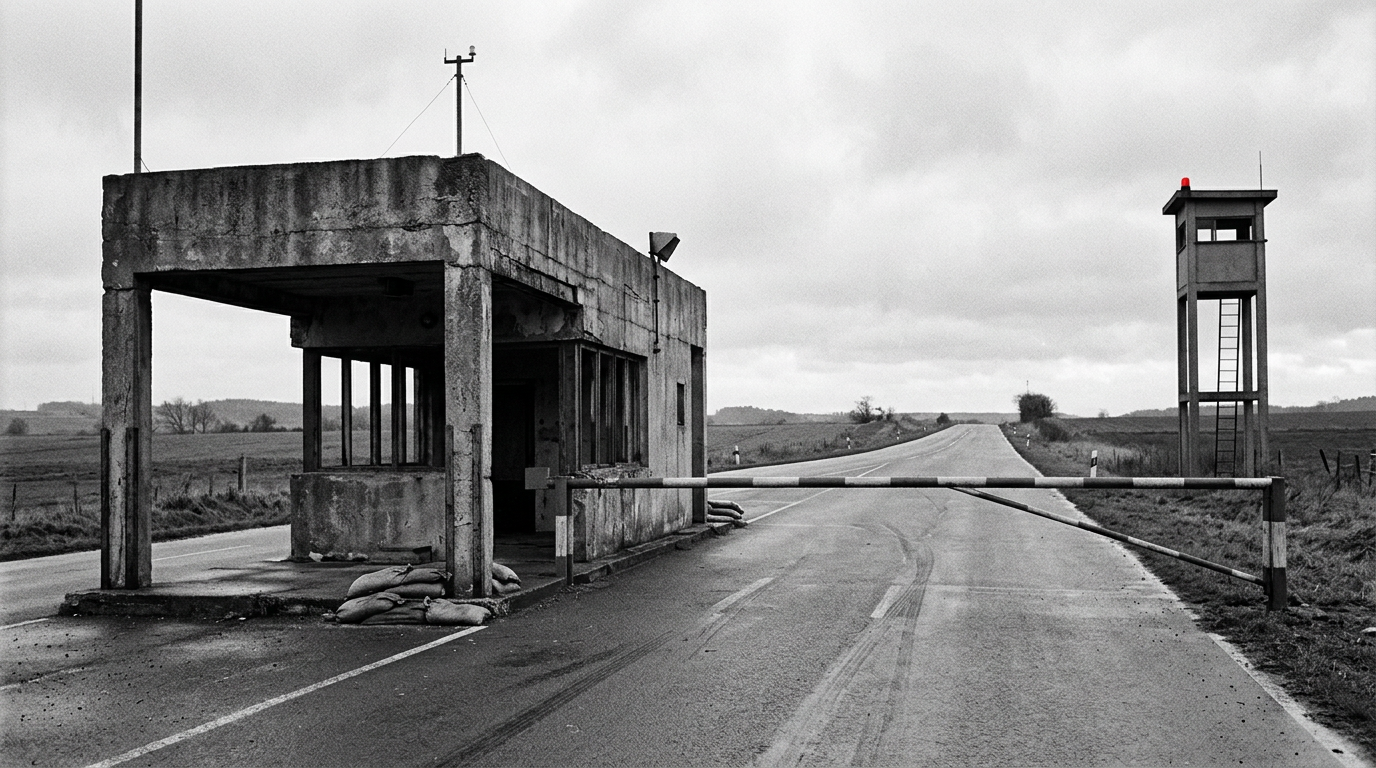
Syria's government has officially denounced an Israeli drone strike that took place near Beit Jinn in its southwestern region on Saturday, an incident it described as a direct violation of its national sovereignty and international law. The strike reportedly caused multiple injuries, with one individual hospitalized in stable condition, according to medical personnel.
The Israeli military confirmed its involvement in the operation, stating its forces targeted an individual believed to be preparing immediate attacks against Israeli personnel in the vicinity. However, Syria’s Ministry of Foreign Affairs contested this justification, asserting that the vehicle struck was a civilian delivery truck, not a military target.
Conflicting Accounts and Regional Dynamics
The incident occurred approximately 55 kilometers southwest of Damascus, an area that has witnessed increasing aerial activity. The Syrian Foreign Ministry's condemnation highlighted the action as a breach of territorial integrity, contributing to a broader pattern of escalated Israeli military operations in southern Syria. Observers suggest these actions aim to establish a security buffer zone along the border.
For over a year, Israel has reportedly intensified both surveillance and targeted operations in the region, citing the necessity for preemptive measures against security threats originating from Syrian territory. While Damascus has consistently lodged formal protests regarding these territorial breaches, diplomatic channels suggest the Syrian government continues to explore de-escalation avenues.
Historical Context and Stability Efforts
Reports indicate ongoing efforts through United States-mediated discussions, referencing the 1974 disengagement agreement as a foundational framework for achieving regional stability. This agreement, established after the 1973 Yom Kippur War, created a demilitarized zone in the Golan Heights and is seen by some as a potential model for managing current border tensions.
The persistent instability between Syria and Israel is underscored by these ongoing exchanges and targeted strikes. Such military actions complicate broader peace efforts and reinforce the fragile security dynamics characterizing post-conflict Syria. The international community closely monitors the situation for potential escalation, particularly given the differing accounts of recent incidents, which highlight deep divisions and security concerns in this volatile area.
The strategic importance of the Syrian-Israeli border, particularly the Golan Heights, has historically been a flashpoint. Both nations consider control and security along this line vital to their national interests, contributing to a cycle of low-intensity conflict and heightened alert. The presence of various non-state actors in southern Syria further exacerbates the complexity, making sustained de-escalation challenging amidst competing regional agendas. The 1974 disengagement agreement, while a historical precedent, faces modern challenges due to Syria's altered geopolitical landscape post-civil war, with Israel continuing to counter perceived threats like Iranian-backed forces near its border.