Tesla Recalls 2.8 Million Vehicles in China Over Software Issue
Tesla initiated a recall of nearly 2.8 million vehicles in China due to a software-related issue, affecting most of its models in the critical market.
Jurgen Goldmeier ·
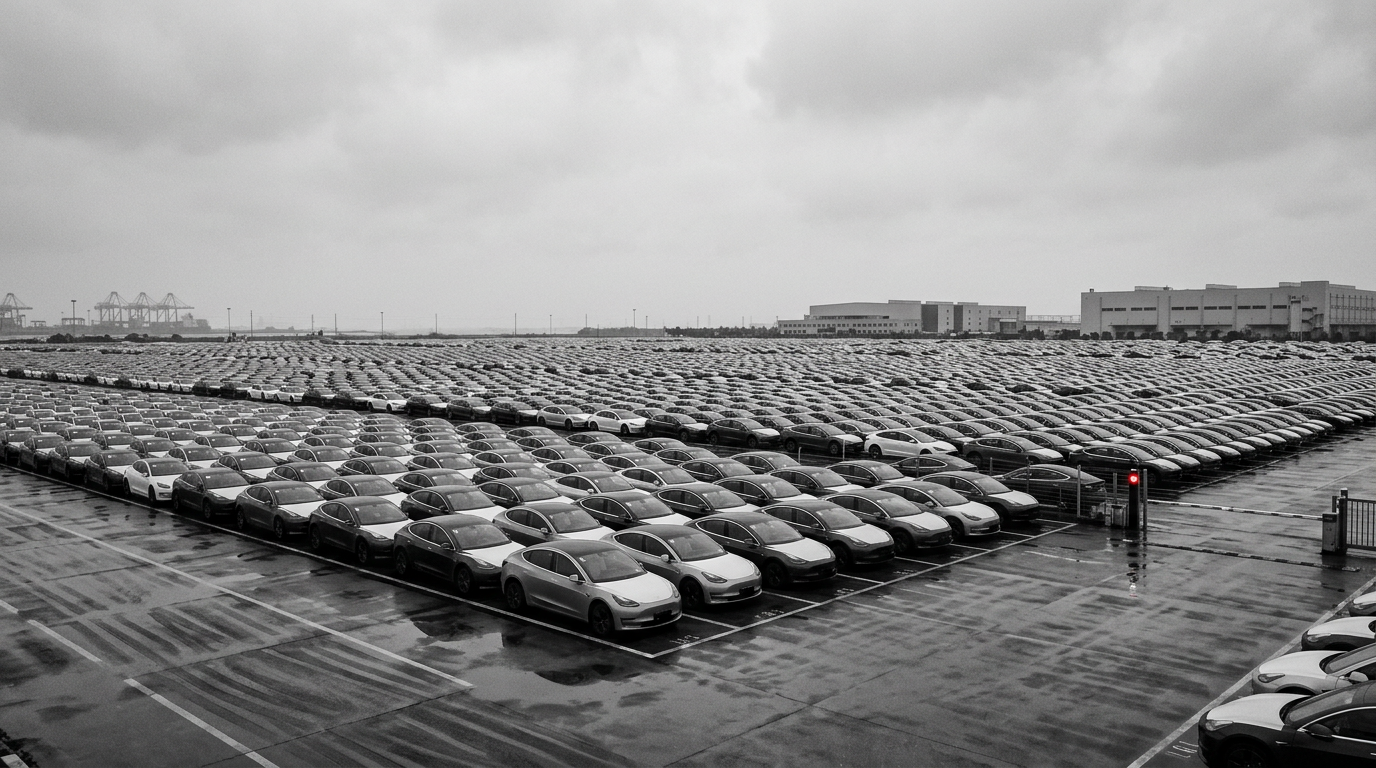
Tesla has initiated a recall affecting nearly 2.8 million vehicles in China after notifying the State Administration for Market Regulation (SAMR). This extensive recall includes both imported and domestically manufactured Model 3, Model Y, Model S, and Model X vehicles, encompassing a substantial portion of the company's fleet in its largest international market.
The action centers on a specific software feature. Tesla's valuation historically relies on expectations of flawless execution, particularly within the Chinese market. This recall could challenge the growth assumptions underpinning its share price, given China's dual role as the world's largest electric vehicle (EV) market and a primary production hub for the automaker.
Regulatory Scrutiny Escalates for Tesla
Authorities in the United States and Europe have This is not the first instance of regulatory attention on Tesla's autonomous driving systems. Authorities in the United States and Europe have previously scrutinized the capabilities and safety features of the company's Autopilot system.
While many of these investigations concluded without significant financial penalties, this current recall, mandated by Chinese regulators and affecting a substantial vehicle volume, signals a notable escalation. Such a development suggests a potential shift in Beijing's approach toward the electric vehicle manufacturer.
It could also complicate the company's future corporate guidance, which outlines its projected performance. The market has previously rewarded Tesla's growth narrative, but its position in the competitive Chinese EV landscape is becoming increasingly crowded with domestic rivals.
Broader Implications for Automakers in China While the direct financial cost of a software-based recall is often minimal, typically resolved through over-the-air updates, the primary concerns are regulatory and reputational. For an extended period, Tesla has enjoyed a comparatively advantageous position as a foreign company operating in China.
This latest action by SAMR may challenge that long-held perception.
State Administration
The broader takeaway for the automotive sector is that Beijing could be tightening its oversight on vehicle data and autonomous systems. This might create a more level playing field for Chinese domestic automotive companies.
Investors who previously viewed Tesla's exposure to China as an unmitigated positive may find their positions reassessed. Conversely, those who have long highlighted Tesla's dependence on a single foreign government and its high valuation now have concrete data supporting their concerns.
This situation also serves as a cautionary signal for other global automakers with significant ambitions and an operational presence in China.
Monitoring Future Developments and Market Response
The next 90 days are crucial for evaluating the true impact of this recall. Market observers will closely watch for official company communications regarding financial implications, the specific nature of the software fix, and subsequent monthly sales figures from China. By late 2026, the long-term narrative surrounding this event will likely have taken shape.
Should Tesla implement a clear, cost-effective resolution and maintain resilient consumer demand in sales data, the market might categorize this as an isolated incident. However, if the recall leads to substantial costs, a prolonged decline in sales, or further regulatory interventions from Beijing that restrict features or expansion, it would confirm a fundamental alteration in Tesla's risk profile within the Chinese market.