Israel Strikes Beirut, Escalating Lebanon Conflict
Israel conducted an airstrike in central Beirut on March 12, 2026, escalating its conflict with Hezbollah, which has caused over 600 fatalities.
Lauren Collins ·
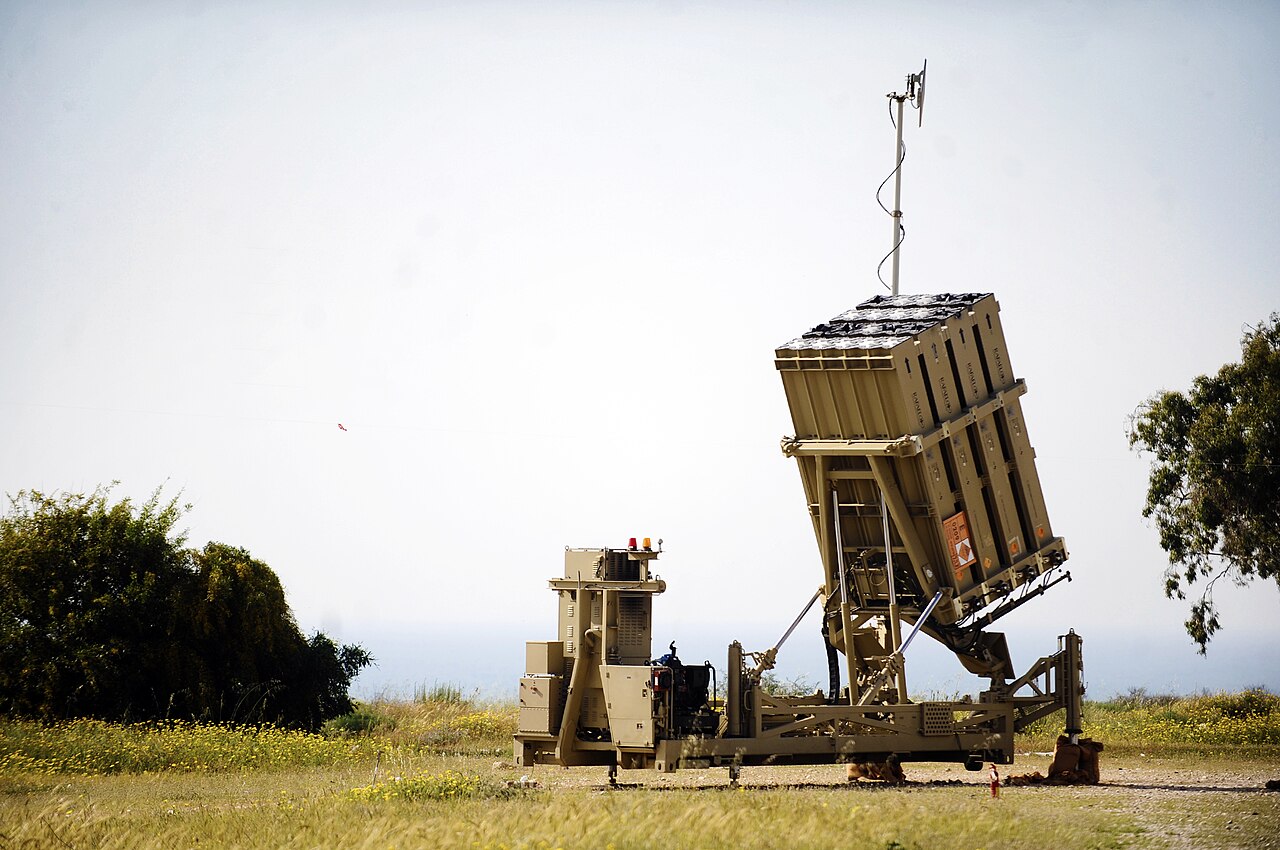
Israeli forces conducted an airstrike on a building in central Beirut on Thursday, March 12, 2026, marking a significant escalation in ongoing hostilities with Hezbollah. The strike, which occurred in the Bachoura district around 5:30 p.m. local time, is approximately one kilometer from the Lebanese government's primary administrative building, the Grand Serail.
Prior to the operation, the Israeli military issued warnings to local residents, asserting that the targeted location housed a Hezbollah facility. This action follows a broader Israeli air and ground offensive initiated last week across Lebanese territory.
Regional Conflict Intensifies
The current surge in violence began on March 2, when Hezbollah launched a series of attacks into Israel. These actions were reportedly in retaliation for the killing of Iran's supreme leader. Since then, Hezbollah has maintained a daily barrage of rockets and drones targeting Israeli territory, including a substantial attack on Wednesday.
In response, Israel has conducted extensive military operations across southern and eastern Lebanon, as well as Beirut's southern suburbs. Lebanese authorities report that these operations have resulted in over 600 fatalities and displaced more than 800,000 individuals from their homes.
Evacuation Orders and Military Directives
Concurrent with the Beirut strike, Israel issued new evacuation orders for residents in an additional section of southern Lebanon. This directive expands on previous warnings and underscores the widening scope of the conflict.
Israeli Defence Minister Israel Katz confirmed that instructions have been given to broaden military operations within Lebanon. This indicates a strategic decision to intensify pressure on Hezbollah and potentially expand the geographical reach of Israeli military actions.
Historical Context of Tensions
The current conflict builds upon a long history of animosity between Israel and Hezbollah, a powerful Shiite political party and militant group in Lebanon. Hezbollah, backed by Iran, has been a significant actor in Lebanese politics and a persistent adversary to Israel, engaging in several major conflicts over the past decades.
The group's extensive arsenal and strategic positioning along Israel's northern border have consistently posed a security challenge. The recent escalation, particularly the strike in central Beirut, signals a departure from previous engagements that often focused on southern Lebanon, indicating a more direct and assertive Israeli posture.
International Concerns and Regional Stability
International observers have expressed growing concern over the escalating violence, fearing a broader regional conflict. The involvement of Iran, through its proxy Hezbollah, adds another layer of complexity to the situation, linking the conflict to wider geopolitical tensions in the Middle East. The displacement of a large civilian population also raises significant humanitarian concerns, prompting calls for de-escalation from various international bodies.
Implications
Country Impact: Lebanon faces severe humanitarian and economic consequences, with mass displacement and infrastructure damage. The strike in central Beirut could destabilize the government and exacerbate internal political divisions.
Industry Impact: The escalating conflict could disrupt regional trade routes and energy supplies, particularly if it expands beyond current areas. Insurance and shipping industries may face increased risks and costs in the Eastern Mediterranean.
Market Impact: Global markets may react with increased volatility, particularly in oil prices due to regional instability. Investor confidence in Middle Eastern assets could decline, leading to capital outflows and currency depreciation in affected nations.