Israel strikes south Lebanon amid ceasefire strain
Israel struck Tebnine and al-Mansouri as a June ceasefire frayed, with 1 dead, 11 injured, and Israeli soldier casualties reported in the south.
Atlas Newsdesk ·
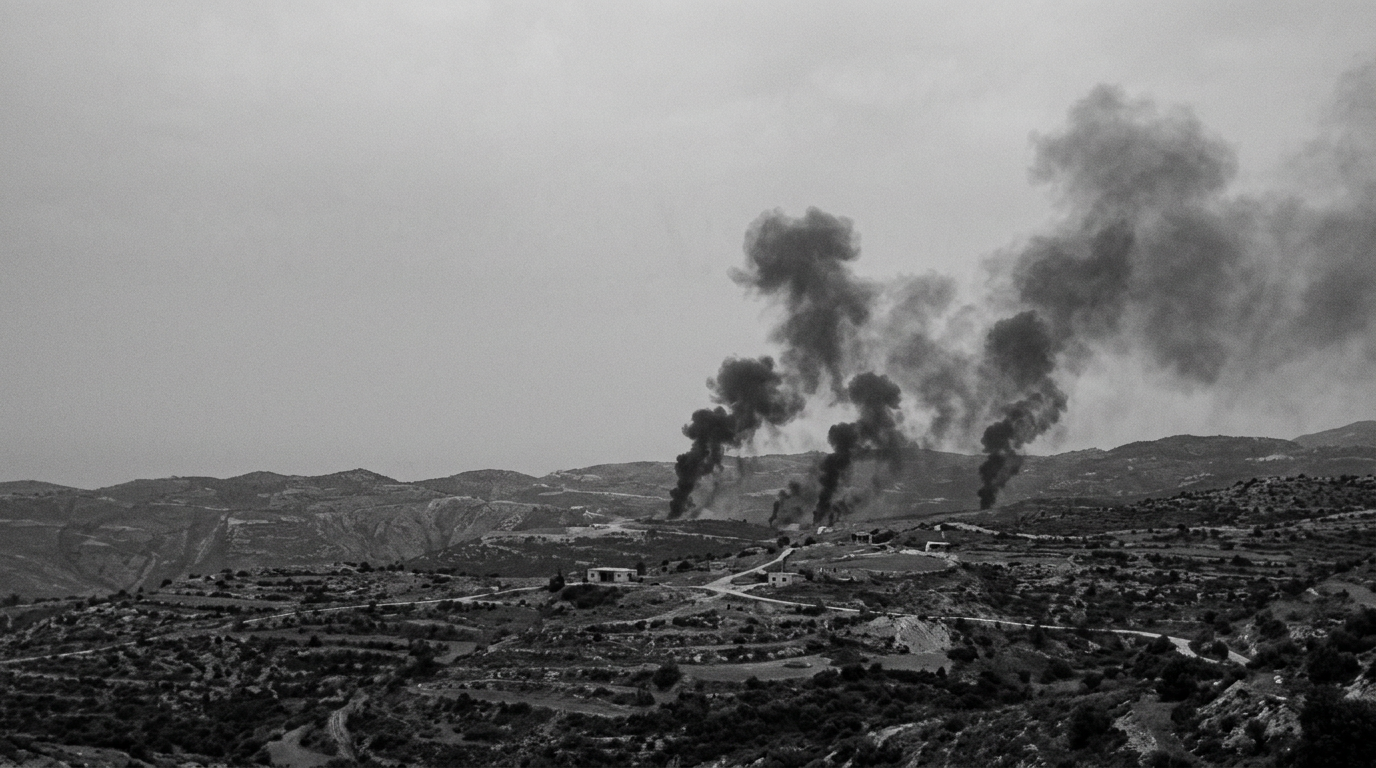
Israeli airstrikes hit the south Lebanese locations of Tebnine and al-Mansouri, leaving one person dead and 11 injured, according to the reported toll. The attacks were described as the sharpest escalation since a ceasefire took effect in June.
Before the strikes, the Israeli military issued displacement orders, a step not reported since hostilities paused in June. Officials said the operations targeted what they described as Hezbollah infrastructure, framing the strikes as a response to alleged ceasefire violations.
Displacement orders and the stated target
Lebanon In The displacement instructions issued ahead of the airstrikes marked a notable shift in the conduct of operations. Officials linked the warnings to plans to strike specific sites, saying the objective was to destroy Hezbollah-linked infrastructure in the affected areas. The move also underscored how quickly the post-June security arrangement can come under pressure. While a ceasefire implies restraint, the issuance of such orders signals preparations for broader action, even as each side disputes responsibility for violating the truce. Explosion kills two Israeli soldiers in southern Lebanon In a separate incident in southern Lebanon, two Israeli soldiers were killed and seven others were wounded in an explosion whose cause was not known, officials said. The casualties were reported as operations continued in and around an occupied security zone.
Reports from the area have described Israeli troops
Reports from the area have described Israeli troops encountering booby-trapped vehicles and mines. The incident involving the soldiers occurred against that backdrop of persistent hazards and unclear attribution, with the origin of the blast not established in the information provided.
Concerns over demolitions and potential indiscriminate damage
Separately, Israeli forces have continued using large-scale demolitions, a practice that has prompted concern about the risk of indiscriminate destruction. The reports did not specify locations or the scale of individual demolitions, but the pattern has been cited as a growing point of contention.
These concerns sit alongside the renewed violence and the uncertainty that follows lethal incidents where the immediate cause remains unknown. Together, they add to the volatility along the border and complicate efforts to stabilize the area under the June cessation of hostilities.
Rome talks focus on Lebanese military pilot zones
Diplomatic negotiations in Rome have continued in parallel, with talks centering on the creation of pilot zones placed under Lebanese military control. The aim is to establish workable security arrangements, but officials have indicated that progress remains limited.
The impasse reflects competing demands: the Lebanese government is seeking a full Israeli withdrawal, while Israel is insisting that Hezbollah be disarmed. With those positions unchanged, the current environment points to a heightened risk of further instability around the future governance and security of the border region.
Implications
Country Impact: The reported casualties and displacement orders highlight increased volatility in southern Lebanon despite the June ceasefire. Ongoing talks in Rome remain constrained by unresolved demands over withdrawal and disarmament.
Industry Impact: Continued military operations and large-scale demolitions raise concerns about infrastructure damage in affected areas, while also increasing operational risk for any reconstruction or essential services activity near the border.
Market Impact: The escalation and uncertainty around the ceasefire add to regional security risk, while the lack of clarity about incidents such as the explosion complicates assessments of near-term stability.