U.S.-Brokered Israel-Lebanon Ceasefire Hinges on Hezbollah Pullback
Israel and Lebanon agreed to a U.S.-brokered ceasefire, contingent on Hezbollah's withdrawal, to de-escalate hostilities and aid broader regional peace…
Lauren Collins ·
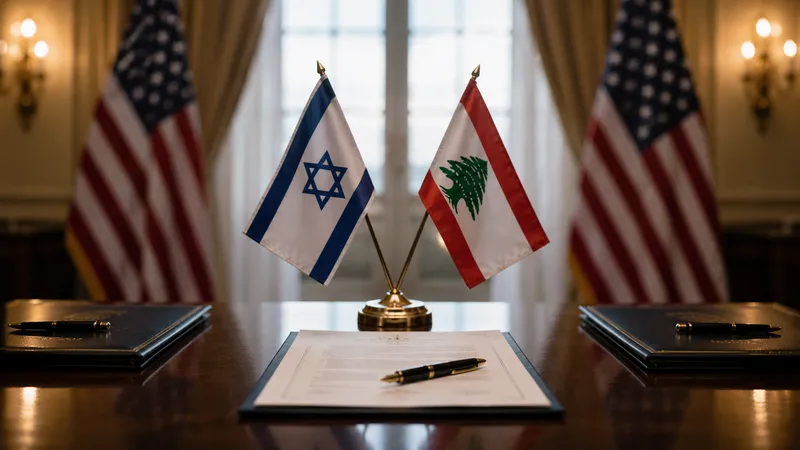
Israel and Lebanon reached a ceasefire agreement on Wednesday, April 17, following U.S.-mediated negotiations in Washington, D.C. The agreement is contingent on the Iran-aligned Hezbollah militia ceasing all fire and withdrawing its operatives from southern Lebanon. This development aims to de-escalate hostilities and remove a significant obstacle to broader U.S. efforts to secure a peace deal with Iran.
Establishment of Pilot Zones
As part of the agreement, "pilot zones" will be established where the Lebanese armed forces will assume exclusive control, effectively excluding all non-state actors. This measure is designed to stabilize the border region.
The ceasefire follows a period of renewed conflict that began on March 2, when Hezbollah initiated attacks against Israel. Earlier attempts to establish a truce on April 17 were unsuccessful, with both sides reporting continued violations.
Negotiations and Terms
The discussions in Washington represented the fourth round of direct talks between Lebanese and Israeli diplomats since the escalation of hostilities. The U.S. State Department issued a joint statement detailing the terms of the agreement. This accord is particularly significant amidst ongoing cross-border attacks, which have included Israeli strikes in southern Lebanon and Hezbollah targeting Israeli troops, as well as wider regional tensions involving Iran and the U.S.