Iran Leader Calls for Strait of Hormuz Closure
Iran's Supreme Leader Mojtaba Khamenei called for the closure of the Strait of Hormuz and removal of U.S. bases on March 12, 2026.
Lauren Collins ·
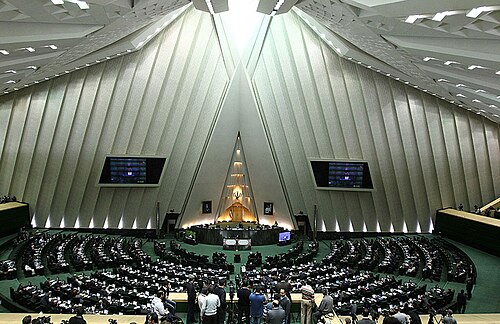
Iran's Supreme Leader, Mojtaba Khamenei, recently advocated for the closure of the Strait of Hormuz, a critical global shipping lane. This directive, issued on Thursday, March 12, 2026, also included a demand for the removal of all U.S. military installations from the region, threatening potential attacks against them.
This pronouncement, delivered through state television, marks Khamenei's initial public statement since assuming the leadership role from his father. The declarations underscore a potentially more assertive stance in Iranian foreign policy, particularly concerning regional maritime security and the presence of foreign military forces.
Strategic Waterway Significance
The Strait of Hormuz is a narrow chokepoint connecting the Persian Gulf to the open ocean, through which a significant portion of the world's oil supply transits daily. Its closure would severely disrupt global energy markets and international trade, impacting economies worldwide. Iran has historically threatened to close the strait during periods of heightened tension with Western nations.
Regional Military Presence
Khamenei's call for the removal of U.S. military bases targets a long-standing American presence in the Middle East, which Washington maintains to ensure regional stability and protect its interests. These bases are integral to U.S. defense strategy in the area, providing logistical support and operational capabilities for various missions.
Historical Context of Tensions
Relations between Iran and the United States have been fraught with tension for decades, often revolving around Iran's nuclear program, its regional influence, and maritime security in the Persian Gulf. Previous Iranian leaders have used rhetoric concerning the Strait of Hormuz as a strategic leverage point in negotiations and disputes.
International Implications
The Supreme Leader's statements are likely to provoke strong reactions from international powers, particularly those reliant on the free flow of oil through the Strait of Hormuz. Such declarations could lead to increased military posturing in the region and heightened diplomatic efforts to de-escalate potential conflicts. The global energy market, already sensitive to geopolitical events, would likely react with volatility to any perceived threat to the strait's navigability.
Outlook on Foreign Policy
This initial public address by Mojtaba Khamenei suggests a continuation, and possibly an intensification, of Iran's confrontational foreign policy approach. The focus on strategic waterways and foreign military presence indicates these issues will remain central to Iran's engagement with the international community under the new leadership.
Implications
Country Impact: Regional countries, particularly those bordering the Persian Gulf, face increased security risks and potential economic disruption. Nations reliant on oil imports through the Strait of Hormuz could experience significant economic pressure.
Industry Impact: The global energy sector, especially oil and gas, would experience immediate price volatility and supply chain uncertainty. International shipping and maritime insurance industries would also face heightened risks and increased costs.
Market Impact: Global financial markets, including equities and commodities, are likely to react negatively to increased geopolitical instability. Oil prices would surge, potentially triggering inflationary pressures and impacting economic growth forecasts worldwide.