Iran President Sets Conditions for Conflict De-escalation
Iran's President Pezeshkian outlined conditions for de-escalating conflict with the U.S. and Israel, including reparations and guarantees.
Lauren Collins ·
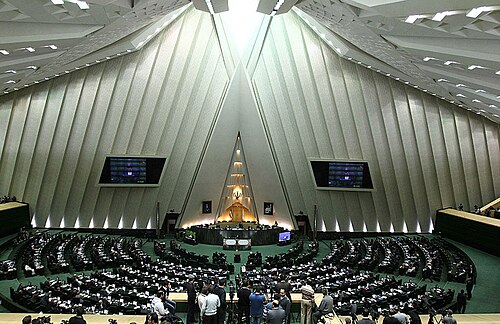
Iranian President Masoud Pezeshkian has publicly articulated conditions for resolving the ongoing conflict with the United States and Israel. On Wednesday, March 12, 2026, President Pezeshkian utilized the social media platform X to state that a peaceful resolution necessitates the recognition of Iran's sovereign rights, the provision of reparations, and international assurances against future hostile actions.
This declaration, made as the conflict entered its thirteenth day, suggests a potential shift in Tehran's stance towards de-escalation, following an initial period where negotiations were reportedly dismissed.
The conflict has significantly disrupted global energy markets, primarily due to Iran's actions concerning the Strait of Hormuz. This vital maritime chokepoint, through which approximately 20% of the world's oil and gas transits, has seen increased Iranian control. These measures, alongside targeted attacks on oil infrastructure, have contributed to a substantial increase in crude oil prices, which have surged past $100 per barrel from a pre-conflict level of $65.
Economic Warfare and Global Response
Both sides have engaged in economic warfare, leveraging energy resources as strategic tools. Israel conducted strikes on Iranian oil facilities on March 8, prompting retaliatory actions from Iran against U.S. assets and critical infrastructure in Gulf nations. Iran has also issued warnings that oil prices could escalate to $200 per barrel if its access to the Strait of Hormuz is restricted.
In response to the escalating prices and supply concerns, the International Energy Agency (IEA) announced on Wednesday its decision to release 400 million barrels from its emergency reserves. This coordinated effort aims to stabilize the market and mitigate further price increases. The IEA's intervention underscores the global economic ramifications of the regional instability.
Diplomatic Signals Amidst Military Posturing
While some conflicting statements have emerged from Iran's military factions, the country's political leadership appears to be signaling a preference for diplomatic engagement. President Pezeshkian's public outlining of peace terms marks a notable development, suggesting a potential pathway to de-escalation after a period of heightened tensions and military exchanges. The international community will closely monitor subsequent developments for signs of concrete diplomatic progress.
Historical Context of Regional Tensions
The current conflict is set against a backdrop of long-standing geopolitical tensions in the Middle East, involving Iran, the United States, and Israel. Historical grievances, regional power dynamics, and differing strategic interests have frequently led to periods of confrontation. The Strait of Hormuz has historically been a flashpoint, with past incidents demonstrating its critical importance to global energy security.
Understanding these historical patterns is crucial for interpreting the current dynamics and potential future trajectories of the conflict. The involvement of international bodies like the IEA highlights the interconnectedness of regional stability with global economic well-being.
Implications
Country Impact: The conflict directly impacts Iran, the U.S., and Israel, potentially leading to further economic sanctions or military engagements. Regional stability for Gulf nations is also under threat, affecting their trade routes and infrastructure.
Industry Impact: The global energy sector faces significant volatility, with oil and gas prices experiencing sharp increases. Shipping and logistics industries operating through the Strait of Hormuz are also severely impacted by heightened security risks and potential disruptions.
Market Impact: Global financial markets are reacting to increased geopolitical risk, leading to higher energy commodity prices and potential inflationary pressures. Investor confidence may decline, affecting equity markets and prompting a flight to safe-haven assets.