Trump Authorizes Strategic Petroleum Reserve Release
Former President Trump authorized a Strategic Petroleum Reserve release to stabilize global oil markets amid recent maritime attacks.
Lauren Collins ·
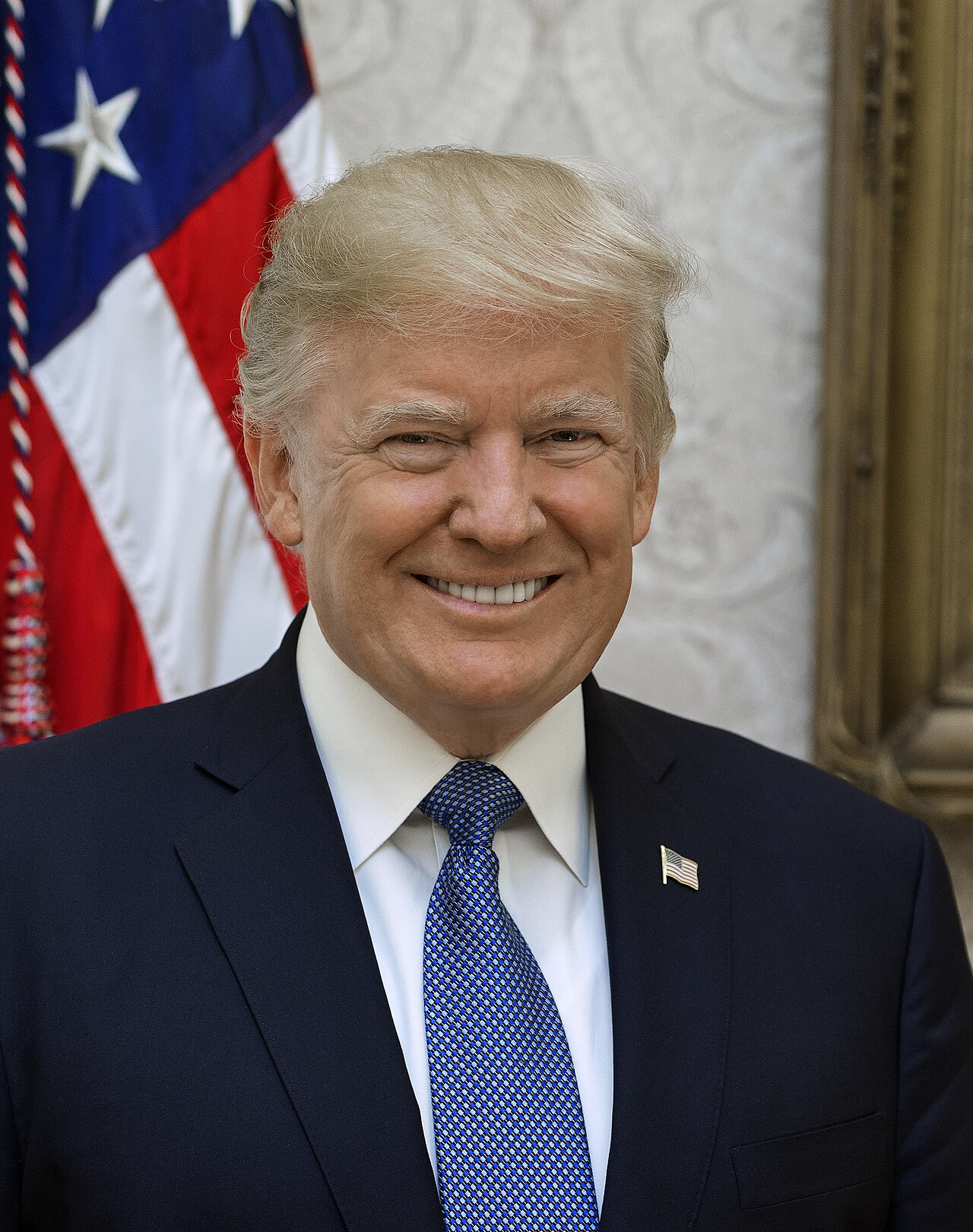
Former President Donald Trump has authorized a release of crude oil from the U.S. Strategic Petroleum Reserve (SPR). This decision, made in response to recent maritime attacks attributed to Iran, aims to stabilize global oil markets and address potential supply disruptions.
The SPR, a federal emergency stockpile, currently holds approximately 350 million barrels of crude oil. Releases from this reserve are typically reserved for significant supply interruptions or to meet international energy commitments. This particular authorization seeks to counteract market volatility stemming from incidents affecting oil shipments.
Geopolitical Tensions and Market Response
Recent geopolitical tensions, particularly those impacting key maritime trade routes, have contributed to increased uncertainty in the global energy sector. These incidents have directly influenced crude oil prices, leading to notable upward movements in international benchmarks.
West Texas Intermediate (WTI) Crude, a key U.S. benchmark, recently saw an increase of 5.66%, reaching $92.19 per barrel. Concurrently, Brent Crude, the international benchmark, rose by 6.36% to $97.83 per barrel, reflecting broader market anxieties.
Strategic Petroleum Reserve's Role
The Strategic Petroleum Reserve was established in the 1970s following the Arab oil embargo to provide a buffer against severe oil supply shocks. Its primary purpose is to ensure energy security for the United States during emergencies. The reserve's capacity and operational protocols allow for significant interventions in the global oil market.
Past SPR releases have occurred during events such as the Persian Gulf War in 1991, Hurricane Katrina in 2005, and the Libyan civil war in 2011. Each release aimed to mitigate price spikes and ensure adequate supply to refiners and consumers.
Economic Implications and Outlook
The authorized release is anticipated to inject additional crude oil into the market, potentially moderating the recent price increases. This measure is designed to alleviate inflationary pressures and support economic stability by ensuring a more consistent energy supply.
Market analysts will closely monitor the volume and timing of the SPR release, as well as its effectiveness in tempering price volatility. The long-term impact will depend on the duration and intensity of geopolitical tensions and the overall balance between global oil supply and demand.
Implications
Country Impact: The U.S. decision to release oil from the SPR aims to mitigate domestic energy price increases and stabilize the national economy. This action could reduce inflationary pressures on consumers and businesses.
Industry Impact: The energy sector, particularly oil producers and refiners, may experience moderated price volatility due to increased supply. Shipping and logistics industries could see reduced operational costs if fuel prices stabilize.
Market Impact: Global oil markets are expected to react to the increased supply, potentially leading to a stabilization or slight decrease in crude oil benchmarks. This could impact energy-related equities and bond yields, while also influencing currency valuations in oil-exporting nations.