Iran's Mojtaba Khamenei Sustains Minor Injuries
Iran's newly appointed Supreme Leader, Mojtaba Khamenei, sustained minor injuries but remains active, an official confirmed on March 11.
Lauren Collins ·
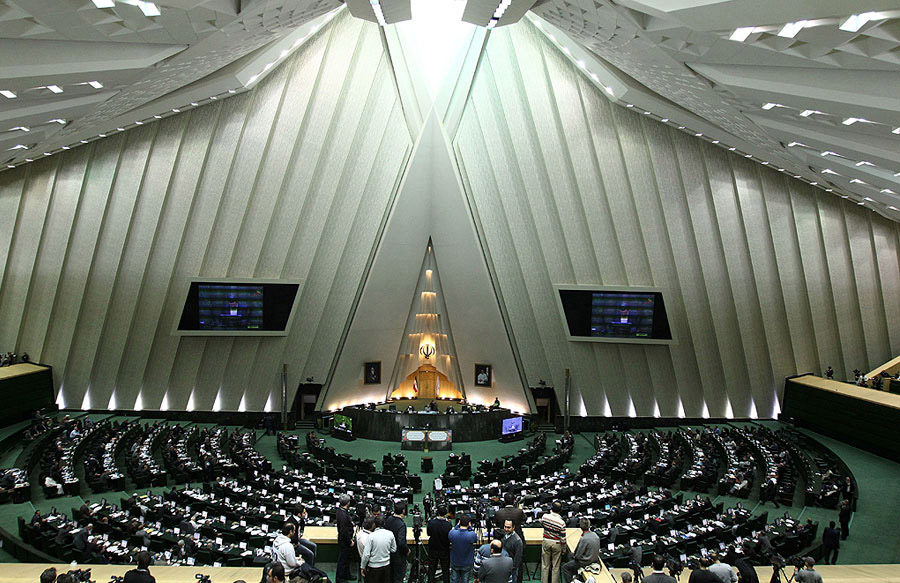
Mojtaba Khamenei, recently appointed as Iran's Supreme Leader, has sustained minor injuries but remains actively engaged in his duties, according to an Iranian official. The announcement was made to Reuters on Wednesday, March 11, though specific details regarding the incident's timing or nature were not disclosed.
Leadership Transition and Public Profile
Khamenei's recent elevation to the supreme leadership position marks a significant transition in Iran's political landscape. His public appearances have been limited since his appointment, leading to speculation regarding his health and the circumstances surrounding his injuries.
Context of Iranian Leadership
The Supreme Leader holds ultimate authority in Iran, overseeing both state and religious affairs. This position is typically held for life, making the health and public status of the incumbent a matter of considerable national and international interest. The lack of detailed information regarding Khamenei's condition is consistent with the often opaque nature of Iranian political communications.
Succession and Stability Concerns
The transition of power in Iran, particularly concerning the Supreme Leader, is a highly sensitive process. Any health concerns or perceived instability can trigger internal political maneuvering and external observation. The current situation underscores the importance of leadership continuity within the Islamic Republic.
Official Statements and Information Flow
The Iranian official's statement to Reuters confirmed the injuries but offered no further elaboration. This limited disclosure highlights the controlled dissemination of information regarding high-ranking officials in Iran. Public statements from Khamenei himself have not been issued since his appointment, contributing to the information vacuum.
Regional and Global Implications
Iran's leadership stability is a critical factor in regional geopolitics and global energy markets. Any uncertainty surrounding the Supreme Leader's health or capacity can influence international relations, particularly with countries monitoring Iran's nuclear program and its role in regional conflicts. The situation is being closely watched by international observers for any signs of broader political implications.
Implications
Country Impact: The incident could fuel internal speculation regarding leadership stability and succession planning within Iran, potentially influencing political factions and public sentiment. The lack of transparency may also contribute to domestic uncertainty.
Industry Impact: While no direct immediate impact on specific industries is evident, prolonged uncertainty regarding Iran's top leadership could indirectly affect sectors reliant on regional stability, such as energy and shipping, due to potential geopolitical shifts.
Market Impact: Global markets, particularly oil and gas, often react to perceived political instability in major producing nations. While the current information is limited, any future developments suggesting leadership fragility in Iran could introduce volatility.