UK Parliament Ends Hereditary Peerage in Lords
The UK Parliament is ending hereditary peerage in the House of Lords, concluding a 700-year tradition to modernize its legislative body.
Lauren Collins ·
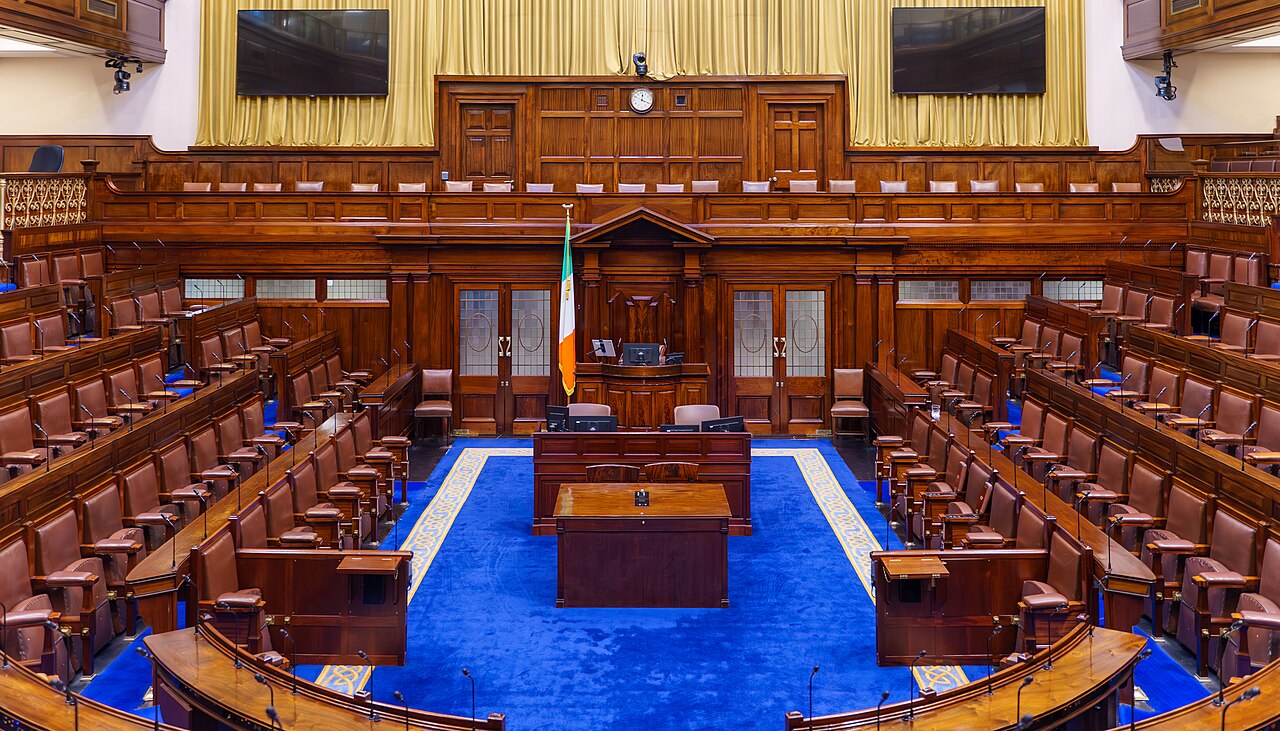
The United Kingdom's Parliament has initiated a significant reform to eliminate hereditary peers from the House of Lords, concluding a tradition spanning over 700 years. This legislative change, which began implementation this week, aims to modernize the upper chamber by transitioning towards a fully appointed or elected membership. The move reflects ongoing efforts to enhance the democratic legitimacy of the UK's legislative process.
Historically, the House of Lords has included members who inherited their seats, a practice that has faced increasing scrutiny over its compatibility with modern democratic principles. The reform targets the removal of all 92 remaining hereditary peers, with a phased approach expected to conclude by late 2026. This structural overhaul is anticipated to alter the composition of the House of Lords and could influence its legislative agenda.
The debate surrounding the role of hereditary peers has been a central theme in British political discourse for decades. Critics have argued that unelected members holding legislative power undermine democratic accountability. Proponents of the reform contend that a fully appointed or elected chamber would be more representative and responsive to the contemporary electorate.
Historical Context of the House of Lords
The House of Lords, one of the oldest legislative bodies in the world, has undergone several transformations throughout its history. The 1999 House of Lords Act significantly reduced the number of hereditary peers from over 700 to 92, marking a pivotal step towards reform. This earlier legislation allowed a limited number of hereditary peers to remain, pending further comprehensive reform.
This latest parliamentary action builds upon previous attempts to reform the upper chamber, reflecting a sustained political will to address its anachronistic elements. The current reform seeks to complete the process initiated over two decades ago, moving the UK closer to a legislative model where all members derive their authority from either appointment based on merit or direct election.
Implications for UK Governance
The removal of hereditary peers is expected to have several implications for UK governance. It could lead to a more professionalized and merit-based House of Lords, potentially shifting its focus and legislative priorities. The change may also strengthen the argument for further reforms, including discussions about whether the chamber should eventually become fully elected.
This reform underscores a broader trend in democratic nations to ensure that legislative bodies are perceived as legitimate and representative. The UK's decision to end hereditary peerage aligns with global democratic norms, where inherited political power is increasingly viewed as incompatible with modern governance. The full impact of this transformation will unfold as the phased removal progresses and the new composition of the House of Lords takes shape.
Implications
Country Impact: The UK's legislative process is undergoing a significant modernization, aiming to enhance democratic legitimacy by removing inherited political power. This reform could lead to a more merit-based and professionalized upper chamber, potentially influencing future legislative priorities and governance structures.
Industry Impact: While direct industry impact is limited, the reform signals a broader commitment to modern governance and accountability, which can indirectly affect investor confidence and regulatory stability. Industries reliant on political stability and clear legislative frameworks may view this as a positive development.
Market Impact: Financial markets typically react to political stability and clear governance. The reform, by addressing long-standing democratic concerns, could be perceived as a positive step towards strengthening UK institutions, potentially fostering long-term market confidence, though immediate market reactions are unlikely.