Iran’s Internet Blackout Isolates Millions from World
Iran internet blackout has lasted weeks, isolating millions and disrupting commerce as some turn to banned Starlink terminals amid severe legal risks.
Jason Kwon ·
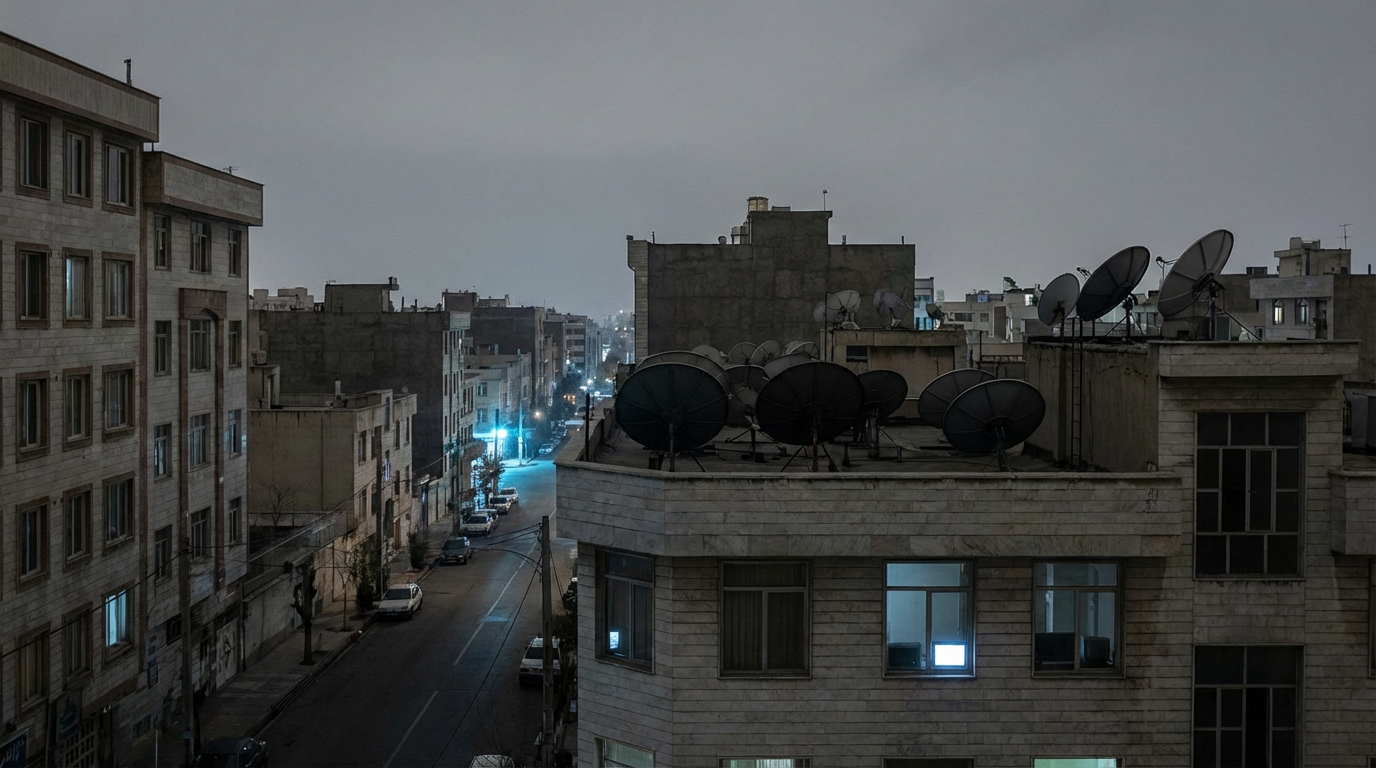
Iran has imposed a nationwide internet shutdown that has cut millions of people off from online services, disrupting communications inside the country and with the outside world. Officials have not been cited in the source material, but the outage is described as broad and sustained, leaving large parts of the population digitally isolated for weeks.
The shutdown coincided with military strikes by the United States and Israel in late February, according to the account provided. The timing has drawn attention because it links a major information restriction to a period of heightened security pressure, while also intensifying the government’s long-running approach to controlling what information circulates during sensitive moments.
The source material says the current blackout follows a similar, shorter disruption in January that was used to suppress widespread anti-regime protests. Taken together, these episodes are presented as a pattern: internet access is curtailed during periods of social or political crisis, limiting the ability of citizens to organize, share information, or communicate with international audiences.
As the outage has continued, some Iranians have sought alternative routes to reach the global internet. The most prominent workaround described is satellite internet equipment, especially Starlink terminals produced by SpaceX, the company led by Elon Musk. These devices are prohibited in Iran and, as described, are obtained through black markets after being smuggled into the country.
Human rights activists warn that using unauthorized connectivity carries severe personal risk. The source material states that people found using unsanctioned internet services can face harsh legal consequences from authorities, including the possibility of capital punishment. That warning highlights both the state’s strict stance on unapproved information access and the high stakes for individuals attempting to bypass censorship.
The outage is described as historically significant. It is characterized as Iran’s longest internet shutdown on record and the most extensive global blackout since the Arab Spring. The comparison offered places it behind only one longer case: a six-month internet suspension imposed by Muammar Qaddafi’s government in Libya in 2011, which was used to try to crush a popular uprising.
By keeping the shutdown in place for weeks, the Iranian government is portrayed as accepting major economic disruption in exchange for tighter control of the public narrative. The source material says the blackout has crippled daily commerce and social functioning, while being treated by the state as a tool tied to stability and national security.
International observers are monitoring the situation, the account adds, because prolonged digital isolation has serious human rights implications and can complicate diplomatic engagement. The longer-term effects of an extended information vacuum on Iranian society are described as uncertain, and remain a central concern for global watchers.