Iran warns South Korea over Hormuz operations
Officials in Tehran cautioned Seoul on September 7, 2026, against joining US naval activity in the Strait of Hormuz and said an exclusion zone is planned.
Mateo Fernandez ·
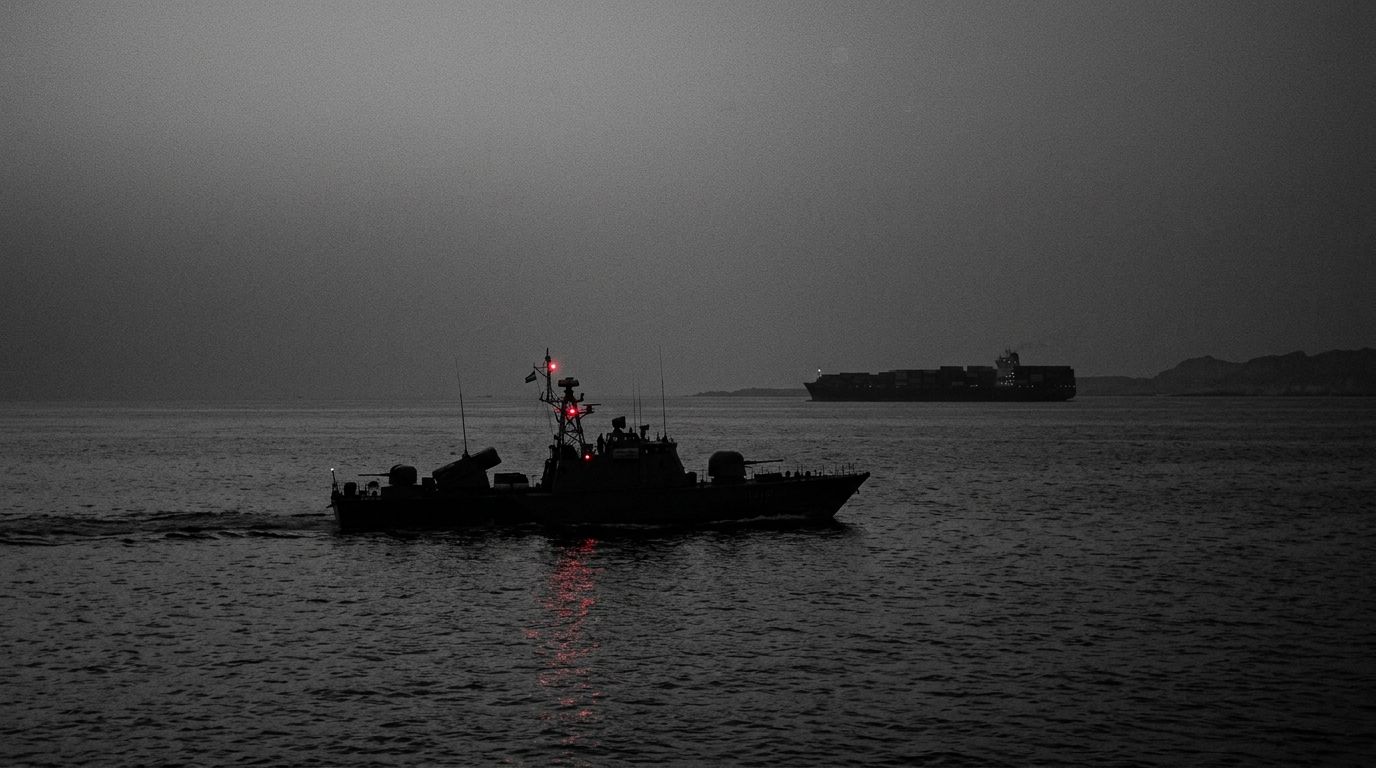
Officials in Tehran warned South Korea on September 7, 2026, against joining US operations in the Strait of Hormuz, saying Iran plans an exclusion zone and warning of "serious consequences." Reaction pending.
Planned exclusion zone near Hormuz
Officials said the warning followed renewed US-Iran fighting in the region and signalled Tehran's intent to assert control over vessels it deems a threat. The announcement did not attach coordinates or a firm timetable, officials said.
If Iran enforces an exclusion zone, commercial tankers may be diverted onto longer routes, which would raise freight costs and insurance premiums and could put upward pressure on oil prices. Longer transit times and higher insurance would particularly affect spot cargoes and owners of single-hull or older tankers.
The immediate macro channel runs through shipping costs and risk premia in oil benchmarks. For the energy sector, tighter physical access or higher transit costs would widen refining margins for some hubs while squeezing margins where alternative crude is scarce. Tanker owners and charterers would face higher operating costs and potential rerouting decisions.
If Iran imposes the exclusion zone by September 10, 2026, shipping insurers and charterers would likely reprice risk within days and oil-market benchmarks could begin to reflect the change by September 17, 2026. Market participants should watch published routing notices, insurer advisories and any naval coordination statements over the coming week.