$1.6 Billion Levy Stalls Major Singapore Land Sale
A US$1.6 billion land betterment charge is impeding the sale of a 16.6-hectare Singapore plot, with the owner seeking to transfer tax liability.
Atlas Newsdesk ·
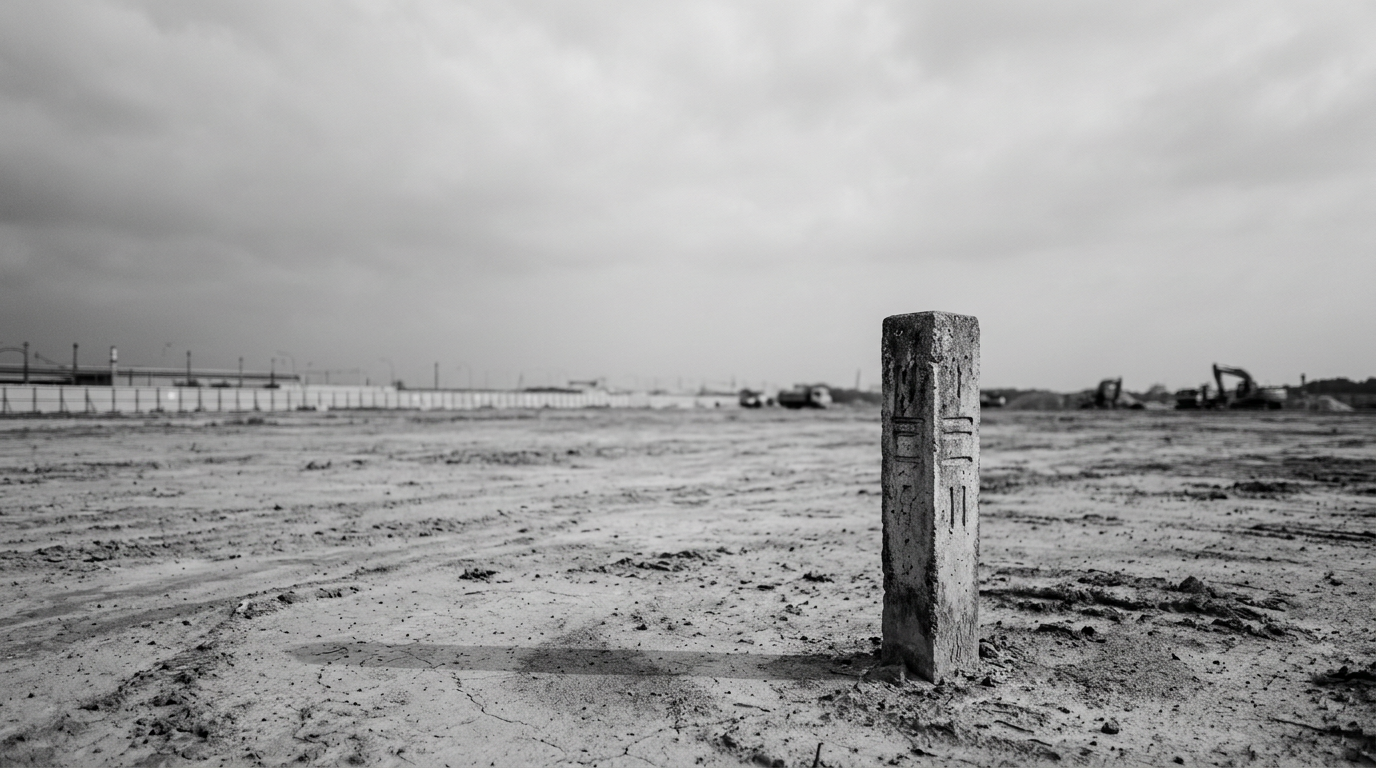
A substantial land betterment charge, potentially reaching US$1.6 billion, is currently posing a significant challenge to the proposed sale of a 16.6-hectare land parcel in Singapore. The current owner, identified as a member of the Malaysian royal family, is attempting to transfer this considerable tax obligation to prospective buyers, a move that is complicating the transaction.
This specific levy is activated when government bodies grant approvals for land development or rezone a property, directly influencing the overall cost of any real estate deal. The land in question was originally acquired as part of a land swap agreement with the Singaporean government, which took place in 2025.
Recent submissions to the Urban Redevelopment Authority (URA) suggest intentions to reclassify the site for residential purposes, with plans envisioning low-rise housing units and high-value bungalows.
Financial Burden and Development Plans
Market observers and analysts estimate that the total tax burden associated with this property could potentially surpass S$2 billion. This figure highlights the financial magnitude of the betterment charge and its critical role in the ongoing negotiations for the land sale. The resolution of this tax liability is considered crucial for the viability and successful execution of what is anticipated to be one of the region's largest real estate transactions.
The status of formal development approvals from the Singapore Land Authority (SLA) remains pending. The precise timing for these necessary endorsements has not yet been established, contributing to the uncertainty surrounding the sale process. The betterment charge, also known as development charge (DC) before its renaming, is a tax imposed on the increase in land value when planning permission is granted for development that enhances its value or allows a more intensive use of the land.
Regulatory Framework and Market Context
Singapore's regulatory framework for land use and development involves several key agencies. The Urban Redevelopment Authority (URA) serves as planning authority, responsible for land use planning and conservation, while the Singapore Land Authority (SLA) administers state land and manages land titles. These bodies play a pivotal role in assessing and approving development proposals, which in turn triggers financial obligations like the betterment charge.
The imposition of such charges is a standard practice designed to recover a portion of the unearned increment in land value that arises from planning decisions. This mechanism ensures that the community benefits from increased land values generated by public infrastructure and planning policies.
The outcome of the current negotiations, specifically regarding who will bear the cost of the betterment charge, will set a precedent for future large-scale land deals in the highly competitive Singaporean real estate market.