Iran Warns Gulf States Amid Declining Hormuz Shipping
Iran issued warnings to Gulf states on August 20, cautioning against supporting U.S.
Mateo Fernandez ·
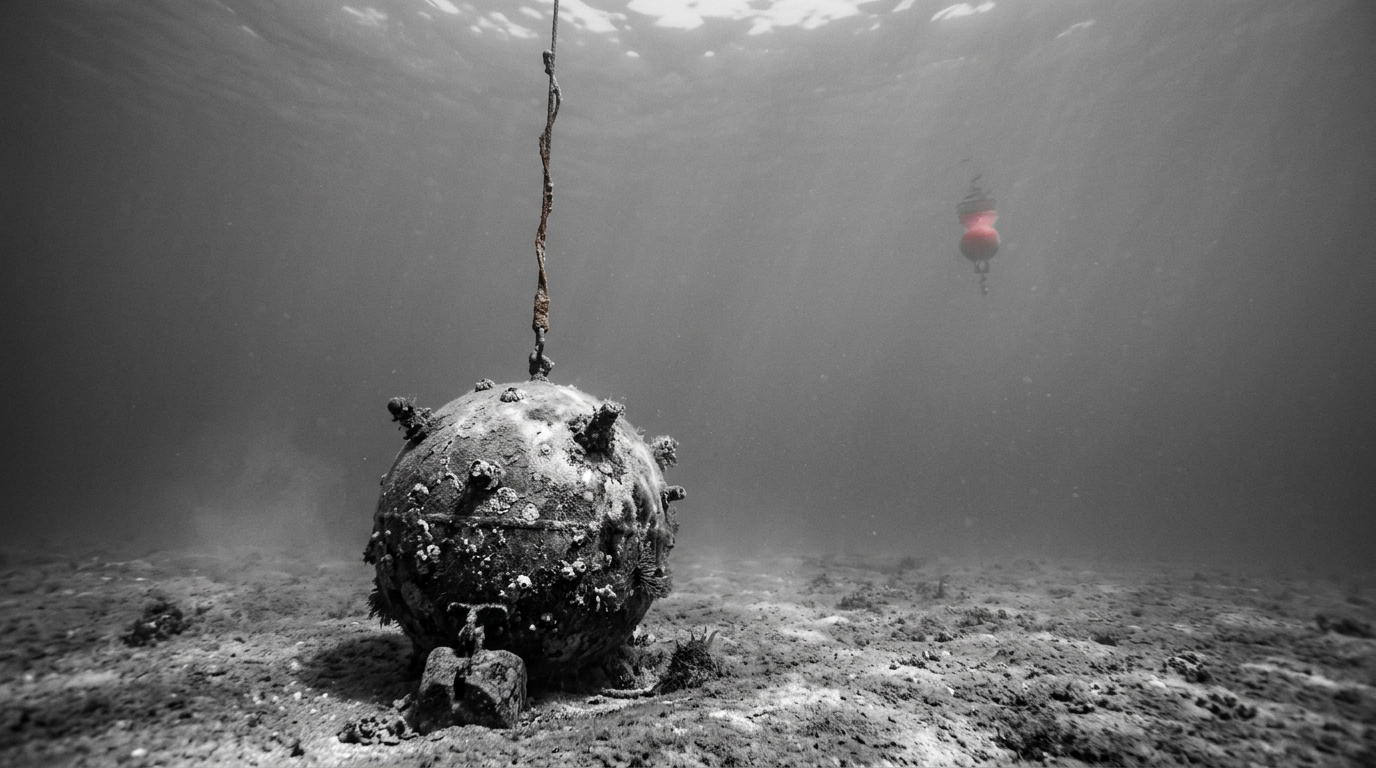
Iran issued a warning to Gulf governments on August 20, urging them not to support United States military operations. This admonition comes as heightened tensions surrounding the Strait of Hormuz continue to escalate, raising concerns about a broader energy security crisis. Regional responses are currently anticipated following this development.
Officials indicated that the United Arab Emirates has suspended financial and economic dealings with Tehran. This action followed the UAE's accusation that Iran launched two ballistic missiles toward maritime areas, an allegation Iranian officials have consistently denied. The diplomatic friction underscores the precarious state of regional relations.
Shipping Concerns in Key Waterways
Data has indicated a reduction in shipping activity through the Strait of Hormuz compared to previous levels since the standoff began. This trend places additional pressure on a vital route used by Gulf producers to transport crude oil and refined fuels to global markets. The specific volume of this decline or its precise impact on oil prices has not been quantified, leaving the full extent of disruption unclear.
The immediate risk in the energy sector is that insurance providers, shipowners, and commodity traders may begin to price the Gulf region as a higher-risk corridor. This re-evaluation could occur even without a confirmed attack on commercial vessels. Prolonged transit delays could prompt refiners reliant on Gulf-sourced barrels to seek alternative cargo suppliers, while producers with limited export routes might face more constrained logistics.
Expanding Regional Focus
Attention is also increasingly directed toward the Bab al-Mandab Strait, another critical maritime choke point. In this area, Houthi forces, backed by Iran, have previously issued threats against international shipping. The potential for disruption in this separate waterway adds another layer of complexity to regional energy security.
Should the current standoff in the Strait of Hormuz remain contained, its macroeconomic effect might be limited to an increase in risk premiums within the market. However, if pressure extends to the Red Sea route, which includes the Bab al-Mandab, the impact could significantly affect freight costs, delivery schedules, and global fuel inventories. Energy traders are closely monitoring potential follow-up measures from the UAE, statements from Iranian military officials, and new shipping data from both the Hormuz and Bab al-Mandab Straits as of August 21.