Iran sanctions push tests UAE pledge on Tehran trade ties
Iran sanctions pressure from President Trump has shifted attention to Dubai, where UAE enforcement promises meet the emirate’s role in Iranian trade.
Atlas Newsdesk ·
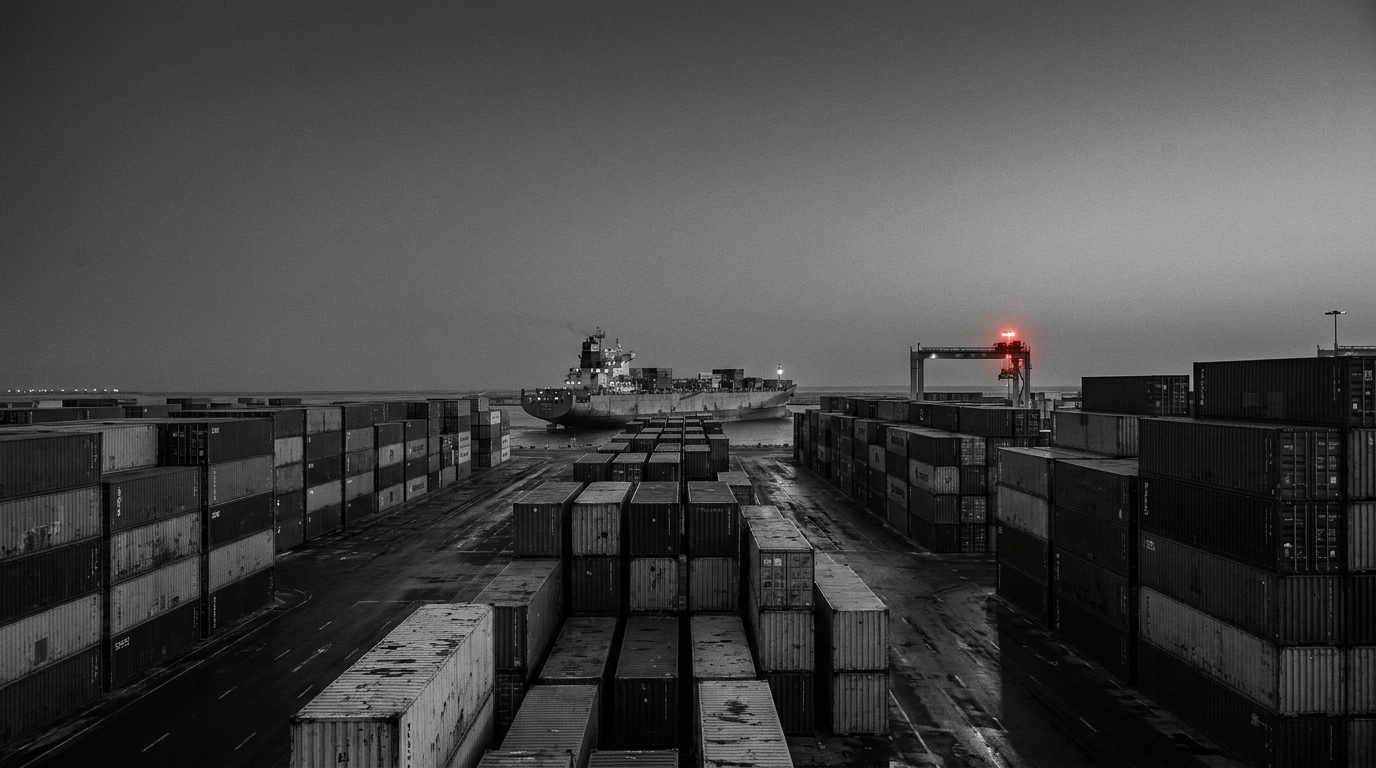
Iran sanctions became President Trump’s latest lever against Tehran as he warned trading partners they could face penalties.
His warning broadened the pressure campaign from Iran itself to the governments and companies that sustain commerce with it. That approach would depend on intermediaries, especially Dubai, where Iranian trade and finance pass through channels outside Tehran’s direct reach.
Dubai carries the enforcement burden
Dubai sits at the practical center of the pressure effort. The emirate’s open trading system, ports, banks and business networks make it a useful venue for commerce linked to Iran, but the same features make a comprehensive cutoff hard to execute.
The United Arab Emirates said this week it would sever economic links with Tehran. The challenge is that implementation would have to move from a political commitment to the daily screening of payments, cargo, counterparties and corporate structures.
UAE pledge meets trade risk
The policy problem is a trade-off. A tougher approach may help Washington narrow Iran’s access to external finance, while a full cutoff could unsettle Dubai’s standing as a commercial hub for companies that use the city for regional business.
For Dubai, the risk is not only direct Iranian activity. Stricter controls may also affect firms that use Dubai for legitimate regional trade but face higher compliance checks, delayed payments or uncertainty over counterparties with possible Iranian exposure.
For President Trump, the attraction of economic pressure is that it offers a coercive tool short of a wider military commitment. The constraint is enforcement: sanctions work through banks, insurers, logistics firms and governments that must identify and block targeted activity without stopping unrelated commerce.
Sanctions path narrows choices
If the UAE follows through with broad enforcement, the immediate effect would fall on Iranian-linked trade flows that depend on Dubai’s financial and logistics networks. The wider industry impact would be heavier screening by banks, freight forwarders and commodity traders across the Gulf.
That path may give Washington more leverage over Tehran, but it would also raise costs for companies operating in the region. At the global level, the mechanism would be compliance friction rather than a direct macro shock: slower payments, more documentation and greater caution around trade with Iranian exposure.
If enforcement is narrower, Dubai would protect more of its commercial role while leaving gaps in the pressure campaign. That outcome would limit disruption for regional firms, but it would also make President Trump’s warning depend more heavily on selective penalties against countries, companies or intermediaries that continue dealing with Tehran.
A third path is partial enforcement followed by targeted escalation from Washington. Under that scenario, the White House would try to preserve pressure on Iran while avoiding a blanket disruption to Gulf commerce, leaving banks and logistics firms to adjust client lists as new restrictions appear.
The immediate test is whether the UAE’s pledge becomes a broad operational break with Tehran or a narrower compliance campaign. For global markets, Dubai and the regional trade sector, the difference will turn on how far enforcement reaches into routine finance and shipping.