Walmart sales miss estimates as pharmacy prices bite hard
Walmart sales at established US stores rose 2.6% in the second quarter, below expectations, as pharmacy pricing pressure slowed growth.
Jurgen Goldmeier ·
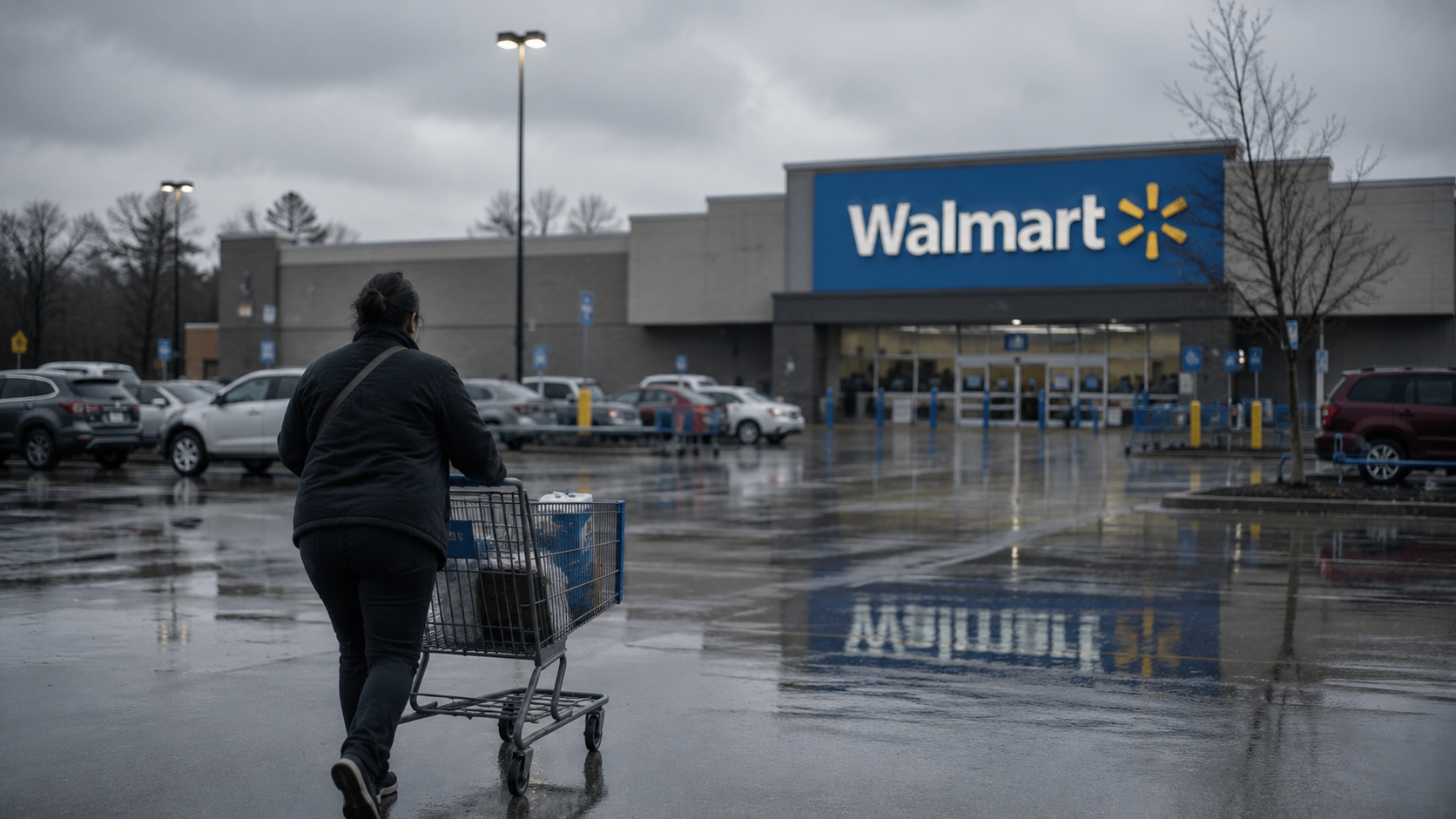
Walmart sales rose 2.6% at established US stores, excluding fuel, in the second quarter, missing expectations as pharmacy prices weighed.
The company said comparable sales growth was the slowest in more than six years, with health and wellness the main drag. Walmart shares fell as much as 7.4% shortly after 7 a.m. Thursday in New York, following results that interrupted a stock gain of 2.6% this year through Wednesday’s close.
Pharmacy prices slow growth
Chief Financial Officer John David Rainey said federal drug price negotiations affected the health and wellness business more than Walmart expected. He described the issue as “transitory,” while saying it is expected to persist into next year.
Excluding health and wellness, Walmart’s US comparable sales increased 3.4%, compared with the 2.6% headline rate reported for the quarter that ended in July. The gap showed how a price reset in one large category can blur the signal from groceries and general merchandise.
Transactions hold, baskets shrink
Walmart said customer transactions stayed near year-earlier levels, while average spending per trip declined from a year ago. E-commerce sales rose, giving the retailer a source of growth as physical-store baskets softened.
Rainey said household spending remained consistent but more deliberate. “We certainly see that choices are made,” Rainey said. “That’s indicative of some of the trade-offs that consumers are needing to make, and they’re looking for value and convenience.”
He said back-to-college demand was “exceedingly strong,” while the back-to-school season was still early because some districts started later this year. Demand for packaged lettuce and strawberries was hit by recent foodborne illness concerns, but Walmart expects those categories to improve in coming months, Rainey said.
Guidance rises despite softer sales
Walmart raised full-year guidance for sales and adjusted operating income, a counterweight to the second-quarter sales miss. The company said tariff refunds began arriving in the second quarter, and management plans to direct those refunds toward lower prices.
Under Chief Executive Officer John Furner, the Bentonville, Arkansas-based retailer has spent on stores, product range, faster online delivery and artificial intelligence across operations. Those investments have helped Walmart attract higher-income shoppers while keeping value central to the business.
Rivals chase the grocery trip
Target has seen sales improve as its turnaround efforts progress, while Kroger and Costco have lowered food prices to compete for grocery share. For Walmart, grocery gains matter because food traffic can support pharmacy, advertising and marketplace activity across its broader retail system.
Walmart’s scale makes its traffic and basket data a proxy for pressure on US households. The quarter pointed to consumers still spending, but trading between categories as gasoline, inflation and labor-market concerns press lower-income shoppers.
If the pharmacy pressure eases during the next year, Walmart’s underlying 3.4% comparable-sales rate outside health and wellness would become the cleaner measure investors track. That path would support the company’s price-investment strategy, leave the US consumer picture steadier, and keep pressure on grocers and mass retailers to match discounts.
If lower drug pricing keeps suppressing health and wellness instead, the 2.6% headline rate will remain the comparison point against a slower demand backdrop. In that scenario, Walmart would need faster e-commerce, advertising and marketplace growth to protect profit, while rivals would have more room to challenge on food prices and convenience.