Houthis claim drone strike on Aramco site in Najran
Houthis said they hit an Aramco facility in Najran with a drone, but no damage or production impact has been confirmed so far.
Mateo Fernandez ·
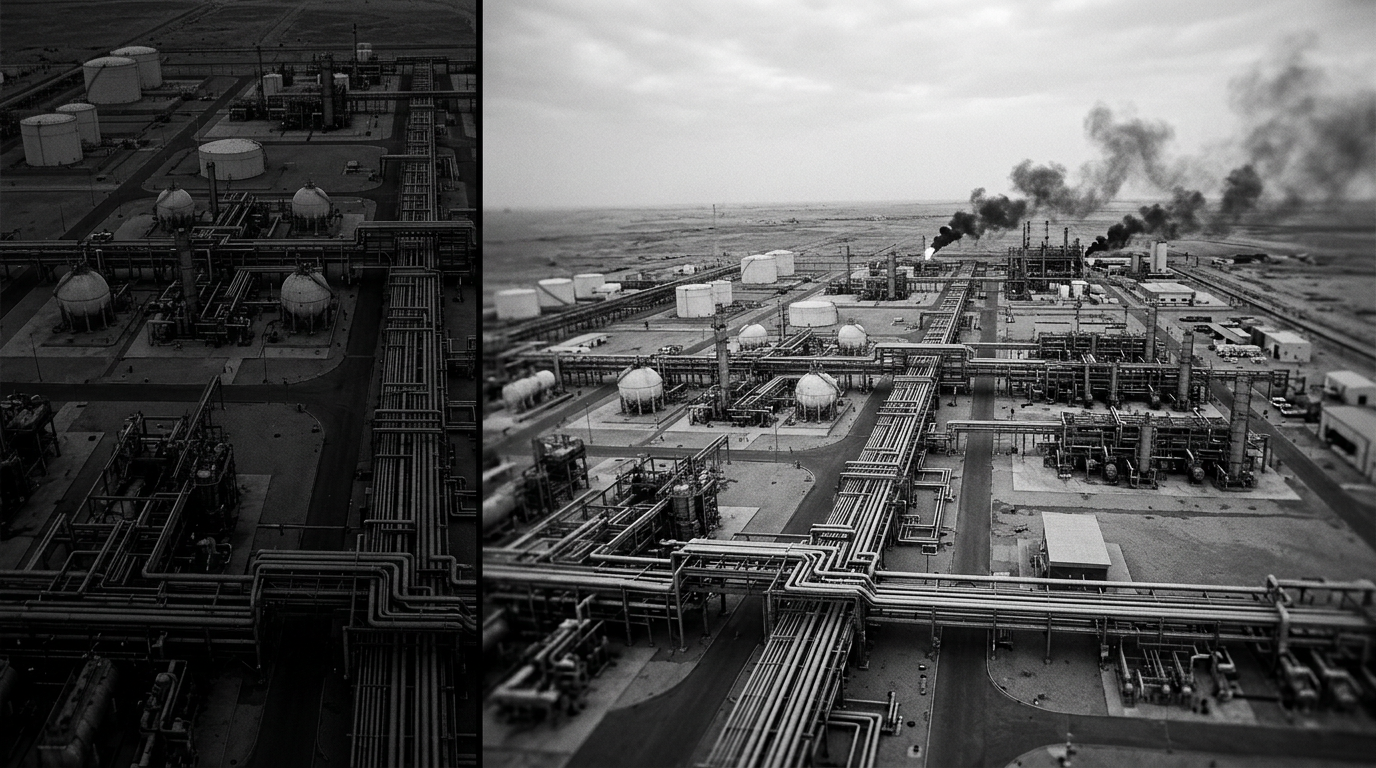
Yemen’s Houthis said they carried out a drone strike targeting an Aramco facility in Najran, putting renewed focus on the security of Saudi oil-linked infrastructure. Immediate market reaction was not available, and there were no official figures on damage, casualties, or any impact on production.
Officials said the key unknown is whether Saudi authorities or Aramco will confirm the claim and provide operational details. Officials also noted the reported strike follows earlier threats by the group to blockade Saudi oil flows.
Najran claim leaves major gaps on operational impact
Officials did not provide information on whether operations at the Najran facility were affected. With no verified assessment made public, the situation remained defined by the group’s statement and limited confirmed detail.
That lack of confirmation matters because Aramco sits at the center of Saudi Arabia’s production and export system. Saudi Arabia remains central to global crude supply, making any reported incident involving infrastructure tied to output or logistics closely watched in commodities markets.
Why commodities markets monitor Saudi infrastructure reports
When there is no verified damage or disruption, the initial channel into oil pricing is typically through perceived risk rather than physical barrels removed from the market. Traders can adjust how they view near-term supply reliability even before any operational information is published.
Officials said a clearer picture would depend on whether the claim is confirmed and what is disclosed about facility status. In one scenario, confirmation paired with unaffected operations could limit the direct impact to a risk premium linked to the possibility of additional attacks.
Confirmation and damage details could shift pricing mechanics
If confirmed damage reduces output or slows logistics, the dynamics could change materially. Buyers could reassess the reliability of near-term Saudi supply, refiners might look for alternative cargoes, and crude benchmarks could become more sensitive to geopolitical pricing as participants adjust positions to new information.
The broader energy sector would also watch for possible knock-on effects, depending on what is verified about the incident and any follow-on risks. Officials pointed to areas such as insurance, shipping, and security costs connected to Gulf-linked flows as potential pressure points if operational disruption is substantiated.
Conflict context and the timeline markets are watching
The Houthis have fought Saudi-backed forces since taking Sanaa in 2014, and attacks on energy infrastructure have previously drawn attention from oil traders because they target assets associated with export capacity. Officials said the open question in this case is whether the claim is followed by confirmation from Saudi authorities or Aramco.
Officials said that by August 15, 2026, traders will be looking for official statements on damage, output, and export schedules before pricing risk into the next crude trading window. Until then, the market backdrop remains a claim, limited verified information, and the possibility of repricing once operational details become available.