Russia attacks grain ships, disrupting Odesa exports
Russia attacks grain ships near Odesa, disrupting harvest-season exports and raising supply risks as traders watch port movements by August 14.
Mateo Fernandez ·
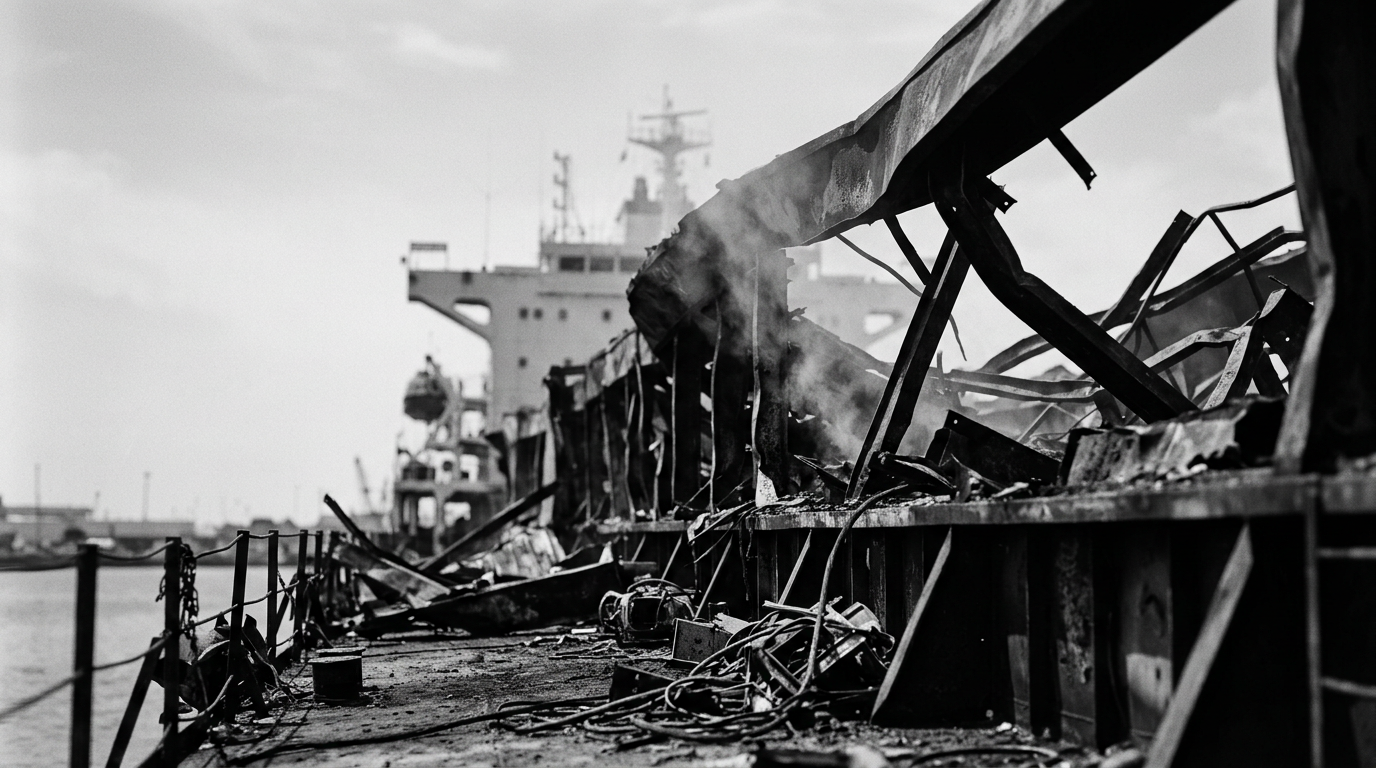
Officials said Russian attacks on cargo vessels have disrupted shipping from Odesa during Ukraine’s harvest season, raising the risk that large volumes of grain could remain inside the country rather than reaching export buyers.
The disruption is focused on vessels linked to Odesa, one of the most important outlets for Ukrainian grain exports. Officials said the attacks have slowed traffic and increased the chance that newly harvested crops will be held back before they can be shipped.
Odesa corridor faces harvest-season strain
Officials described the immediate impact as a reduction in safe sailings, which can limit near-term export availability at a point in the crop cycle when steady port flow is most important. That can also add costs across the logistics chain, including storage, freight and insurance.
Market reaction in benchmark grain pricing was described as still pending, even as the trade assesses the supply risk. Officials said the combination of slower ship movements and higher operating risk is a direct constraint on export capacity from Odesa.
How the disruption can reach prices
Officials said fewer secure departures can tighten prompt supply and raise the cost of moving grain out of the country. In that scenario, the effect can show up quickly in physical premiums and regional logistics rather than immediately shifting global benchmark prices.
Officials also outlined a second path: if vessel traffic resumes quickly, the disruption may remain concentrated in local shipping conditions. If attacks continue, the pressure could extend beyond Ukraine’s ports and become a broader supply concern for importers dependent on seaborne grain.
Importers and traders monitor next steps
Officials said buyers that rely on maritime grain deliveries may need to shift purchases to alternative suppliers if cargoes are delayed or uncertain. Traders may also price the risk of disrupted schedules into wheat, corn and other food-related inputs, particularly for near-term deliveries.
The greatest sensitivity, officials said, would be among importers with thin inventories or limited flexibility on delivery windows. Those constraints can make even short interruptions more consequential for procurement planning and contract performance.
August 14 seen as an early indicator
By August 14, officials said the first practical test will be whether port notices, ship movements and security updates indicate that vessels continue to load and depart from Odesa. If those signals weaken, more of the harvest-season flow could be held back inside Ukraine.
For now, officials said the scale and duration of the disruption remain uncertain, leaving traders and importers focused on near-term operational evidence rather than assumptions about how long attacks may persist.