UAE tankers attacked in Strait of Hormuz transit
UAE officials say two tankers were attacked on Aug. 14 in the Strait of Hormuz, with the UAE blaming Iran; vessel details and damage remain unclear.
Mateo Fernandez ·
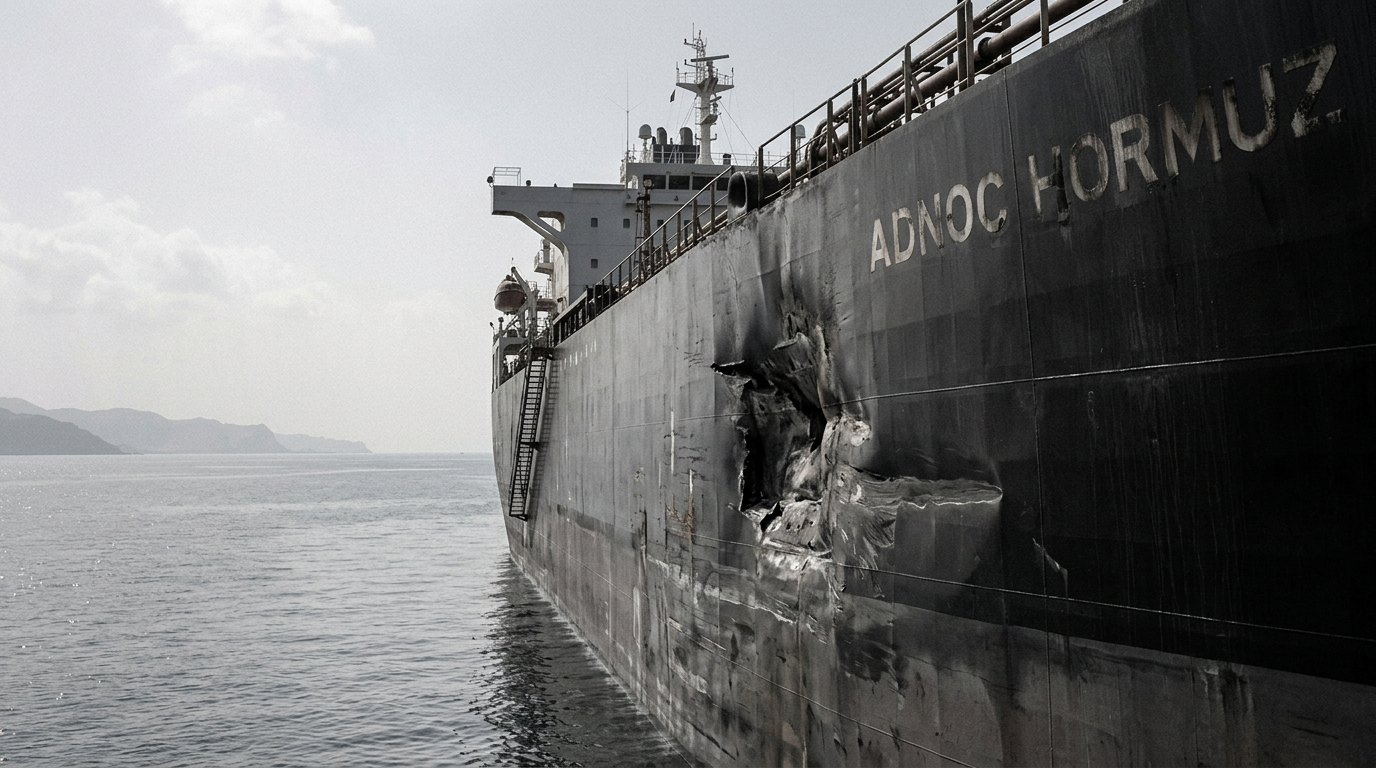
Two UAE tankers were attacked on August 14 while transiting the Strait of Hormuz, officials said, reviving concerns about security along one of the world’s most important oil-shipping corridors. The information provided did not include an immediate market reaction.
The UAE Foreign Ministry blamed Iran for the incidents and said the attacks violated United Nations principles that protect freedom of navigation. No response from Iran was included in the material, leaving the allegation attributed solely to UAE officials.
UAE allegation and missing operational details
Officials did not identify the companies exposed at the ship level in the information provided. Key operational details also remained unverified, including the vessels’ ownership, the type of cargo onboard, and whether there was any damage.
Those unknowns leave uncertainty about any near-term disruption to deliveries or the potential need for subsequent repairs. The lack of ship-specific information also limits visibility on which commercial counterparties may face higher costs or scheduling changes.
Why the Strait of Hormuz raises broader stakes
The Strait of Hormuz is described in the material as the primary maritime outlet for crude oil and refined fuel shipments moving from the Gulf. Because of that role, security incidents in the waterway can matter beyond the vessels directly involved.
Even when a confirmed supply outage is not recorded, market participants can reassess transit risk based on the perception of threat during passage. The material emphasizes that the significance can extend to shipping decisions and costs tied to the route.
How shipping risk can feed into energy costs
For oil markets, the transmission channel outlined centers on insurance, routing decisions, and risk premia. If shipowners or insurers judge the passage to be less secure, costs can rise through higher premiums or changes to voyage planning.
That dynamic can appear before any physical disruption is documented and can influence delivered energy prices by raising freight and coverage costs for shipments passing through the strait. The material frames this as a mechanism that can lift prices through risk pricing rather than a confirmed supply shock.
Near-term pressure and what traders are watching
For the UAE, the incident increases pressure on officials to protect tanker movements while avoiding a broader escalation with Iran, according to the material. For the shipping and energy sector, the near-term question is whether the attacks remain isolated or lead to additional security steps.
The scenarios flagged include potential convoy measures, higher war-risk premiums, or transit delays through the strait. The material adds that if traffic continues without interruption, any macro effect may remain limited to a risk premium in oil rather than a supply shock.
If further vessels are attacked, the material says refiners and importers could face a higher probability of freight delays and more expensive crude procurement. By August 15, 2026, traders were expected to monitor UAE security advisories, any statement from Iran, and insurer guidance on Hormuz transits.