Iran warning raises Israel confrontation risk
Araghchi threatened retaliation after Israel Katz said Mojtaba Khamenei had been marked for death, intensifying Iran-Israel rhetoric.
Mateo Fernandez ·
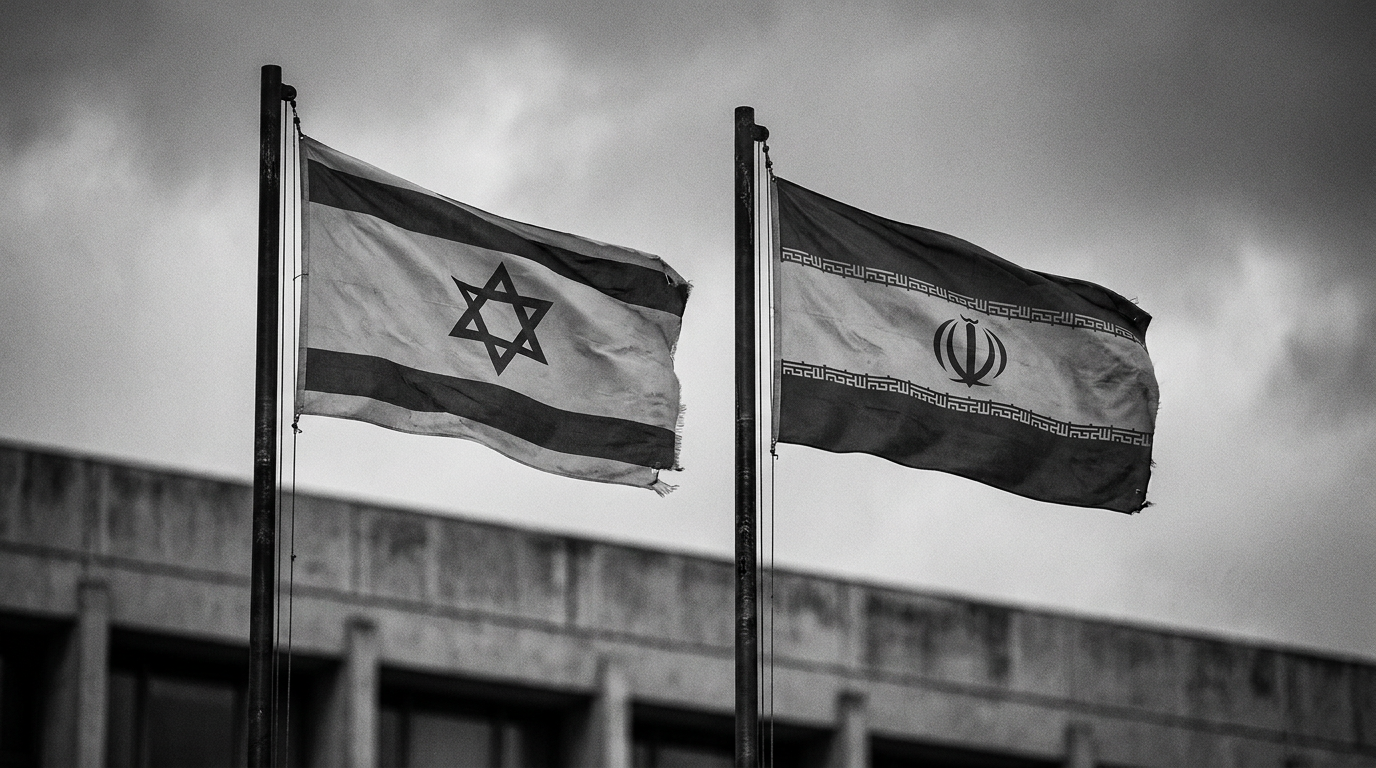
Araghchi threatened to “school” Israel if the United States failed to restrain it, officials said Wednesday, after Israeli Defense Minister Israel Katz said Iranian Supreme Leader Mojtaba Khamenei had been “marked for death.” Reaction pending.
The exchange adds another point of pressure to the Iran-Israel confrontation, where public threats can narrow space for back-channel restraint and raise the risk of miscalculation. The immediate market impact was not available from the payload, but the geopolitical channel is clear: any wider clash could feed into energy-risk pricing, shipping insurance costs and safe-haven demand.
Katz remark sharpens Tehran exchange
Officials said Araghchi’s warning came in direct response to Katz’s statement, making the episode less a routine rhetorical exchange than a named threat tied to a named Israeli minister. The wording also pulled the United States into the message, framing Washington as the actor responsible for controlling Israeli conduct.
For Israel, the risk is that Tehran treats the Katz comment as a policy signal rather than political language. For Iran, the risk is that a public vow creates pressure to respond if Israeli actions continue, even if both sides have reasons to avoid a broader conflict.
Regionally, the consequence would depend on whether the language stays rhetorical
or is followed by military, cyber or proxy activity.
If the exchange stops at statements, the macro effect should remain
contained. If either side acts on the threats, the shock would likely move first through oil, freight, airspace and defense-related assets.
By July 2, the key test is whether officials on either side issue clarifications, further threats or operational alerts that turn the exchange into a wider escalation signal.