Strait of Hormuz: Shipping in Peril Amid Rising Tensions
Hormuz blockade enforced April 14, 2026 has reportedly stranded ~20,000 vessels, strained fertilizer supply, and intensified regional diplomacy.
Lauren Collins ·
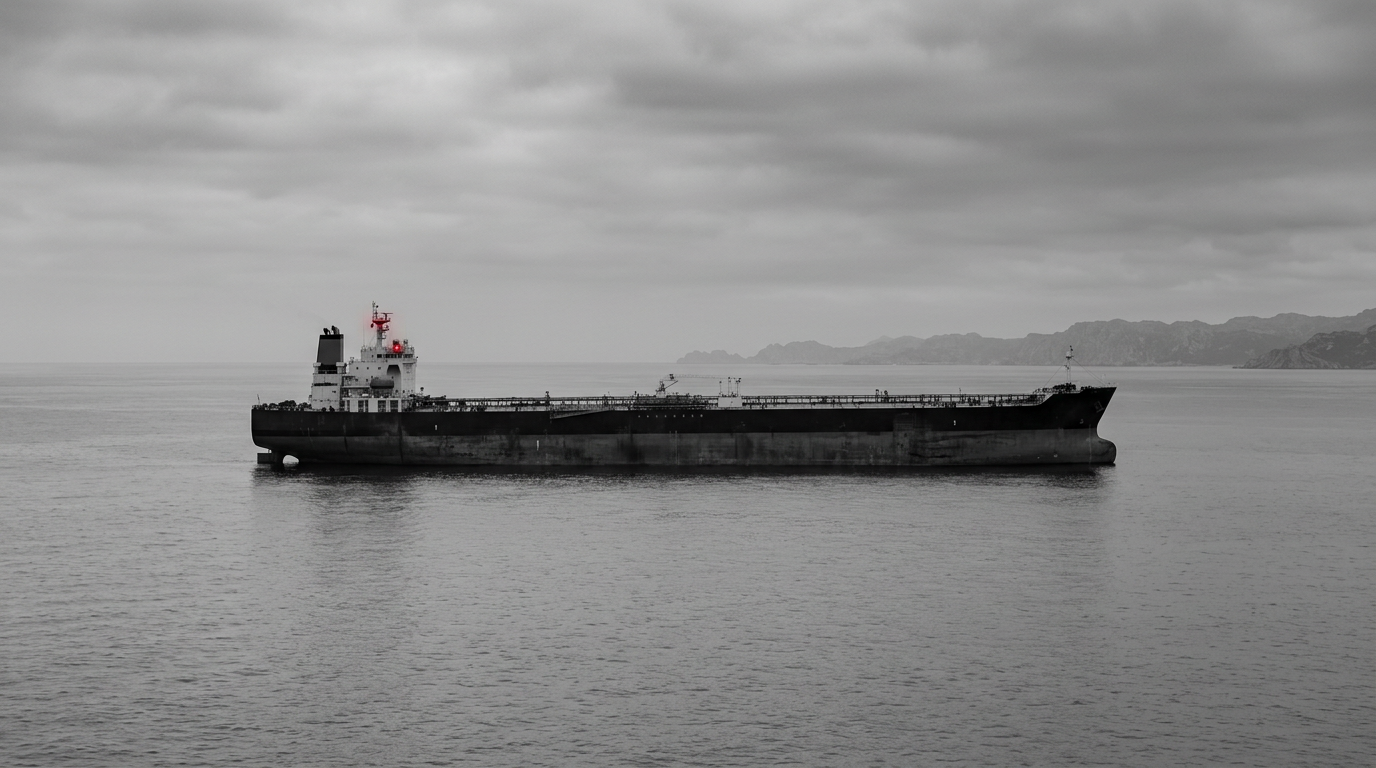
What happened: The United States began enforcing a blockade of Iranian ports on April 14, 2026, with a focus on shipping linked to the Strait of Hormuz, according to officials. Iran responded by accusing the U.S. of “piracy,” and protests were reported in Tehran as the dispute escalated into a wider regional flashpoint.
Iran’s armed forces condemned the U.S. measures as unlawful and warned of potential risks to shipping in the Gulf. The blockade has also been linked to major supply-chain disruption, with approximately 20,000 vessels reportedly stranded. Critical goods were cited as vulnerable, including fertilizer, as strain spread through trade routes that connect energy producers and global consumers.
Diplomatic efforts were described as active but uncertain. Pakistan offered to host negotiations aimed at de-escalation, while Qatar urged constructive mediation between the U.S. and Iran. Pakistan also reported that a ceasefire was holding and said work continued toward a deal, though the terms and participants were not detailed.
At the same time, Israel intensified military operations in southern Lebanon, describing the creation of a “buffer zone.” Officials said the fighting has contributed to over 2,089 deaths since March 2, adding another layer of pressure to an already volatile regional environment. Talks were planned between Israeli and Lebanese ambassadors in Washington, D.C., but Hezbollah rejected negotiations, according to the information provided.
What it means: The reported scale of shipping disruption around the Strait of Hormuz underscores how quickly regional security actions can transmit into global markets through logistics bottlenecks. With fertilizer specifically flagged as under strain, the blockade’s effects extend beyond energy-linked trade into agricultural inputs that are widely used across multiple continents.
The United Nations said there is “no military solution” to the crisis and pointed to worsening global economic fragility. That framing places the dispute in a broader international context, where supply-chain interruptions and heightened security risks can amplify uncertainty for governments, companies, and households well beyond the Middle East.
Key uncertainties remain unresolved in the available information, including how long the blockade will be maintained, whether mediation efforts will produce an agreed pathway to de-escalation, and how parallel conflict dynamics involving Israel and southern Lebanon may affect diplomatic space. For now, officials across multiple capitals are signaling engagement, but the situation remains fluid.