

Hormuz Tankers Unload by April 20 Amid Supply Fears
Hormuz tankers unloading by April 20 may trigger oil shortages in Europe and the US within weeks, analysts say, as prompt prices surge.
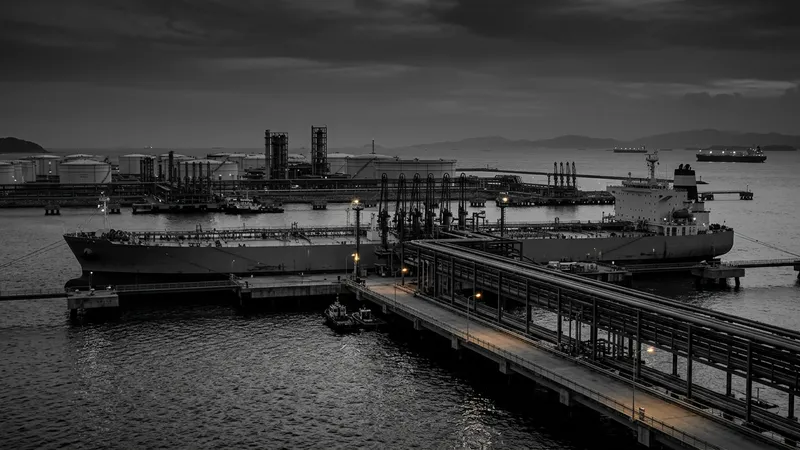
Oil tankers that passed through the Strait of Hormuz before the start of the Iran war are expected to finish discharging at refineries by April 20, marking what analysts describe as the last wave of pre-conflict crude reaching end users.
Analysts said that once these cargoes are fully processed, Europe and the United States could begin to see physical oil shortages within weeks. They said most deliveries arranged before the conflict have already arrived, while the outlook for new liftings has become uncertain as risks in the region rise.
Market pricing has reacted by placing a steep premium on barrels available for immediate delivery compared with contracts for later dates. Analysts described this as a sign that buyers are prioritising near-term supply security over future commitments as uncertainty grows around flows from the Middle East.
Benchmarks tied to the North Sea have also reflected the tightening prompt market. Forties Blend has reached record premiums, a move analysts linked to refiners seeking replacement crude and competing for limited spot availability.
Analysts said the widening gap between prompt cargo values and forward prices points to a scramble for accessible crude as the Middle East supply route becomes constrained. They added that the shift is being reinforced by operational and security concerns that are influencing shipping decisions and trade patterns.
U.S. naval actions, including an embargo, are deterring tanker operators from entering the region, analysts said. They said this is adding pressure not only to crude supply but also to refined product markets, as fewer voyages and higher perceived risk reduce the willingness of shipowners to commit vessels.
The effects are not limited to Europe and the United States. Analysts said countries that rely heavily on Middle Eastern energy imports face heightened exposure to disruptions, naming the Philippines, Indonesia, and Vietnam as particularly vulnerable if supply interruptions persist.
Uncertainty remains centred on how quickly replacement flows can be arranged and whether shipping participation continues to decline under the current risk environment. Analysts said the combination of constrained Middle East flows, shipping deterrence, and elevated prompt premiums is tightening conditions across global oil and product markets.
More stories
- Pope Leo plans lung surgery, pauses events to October 20
- Russia rejects 60-day Ukraine truce, offers election-day pause
- Russian Strikes Test Trump's Energy Ceasefire
- Germany rejects Russian diesel deal as Merz backs curbs
- Kyiv challenges energy ceasefire as Russia reports talks
- Lavrov urges Lebanon ceasefire after talks with minister
- US Hosts Lebanon-Israel Ceasefire Talks
- US Halts Hormuz Talks After Iran Stalls
- Carney Secures Canadian Majority Government in By-Elections
- Trump's AI Jesus Post, Pope Fight Spark Growing Backlash
Latest news
- Micron expands buyback plan by $33 billion
- Amazon seller says $4.5 million business lost account
- BJSM profiles three-part AI project on athletics injuries
- Health agencies seek to reduce reliance on HIV data models
- Anthropic cuts web access after AI testing incidents
- Ukraine says Russia hits six energy targets after Trump ceasefire
- Orion's $59.3 million fraud charge spotlights wire scams
- Orange board weighs Amazon drones, $3,498 refunds