Trump Predicts Swift End to Iran Conflict
Former President Trump predicts a swift end to the U.S.-Israeli military operation against Iran, citing significant damage to Iranian military assets.
Lauren Collins ·
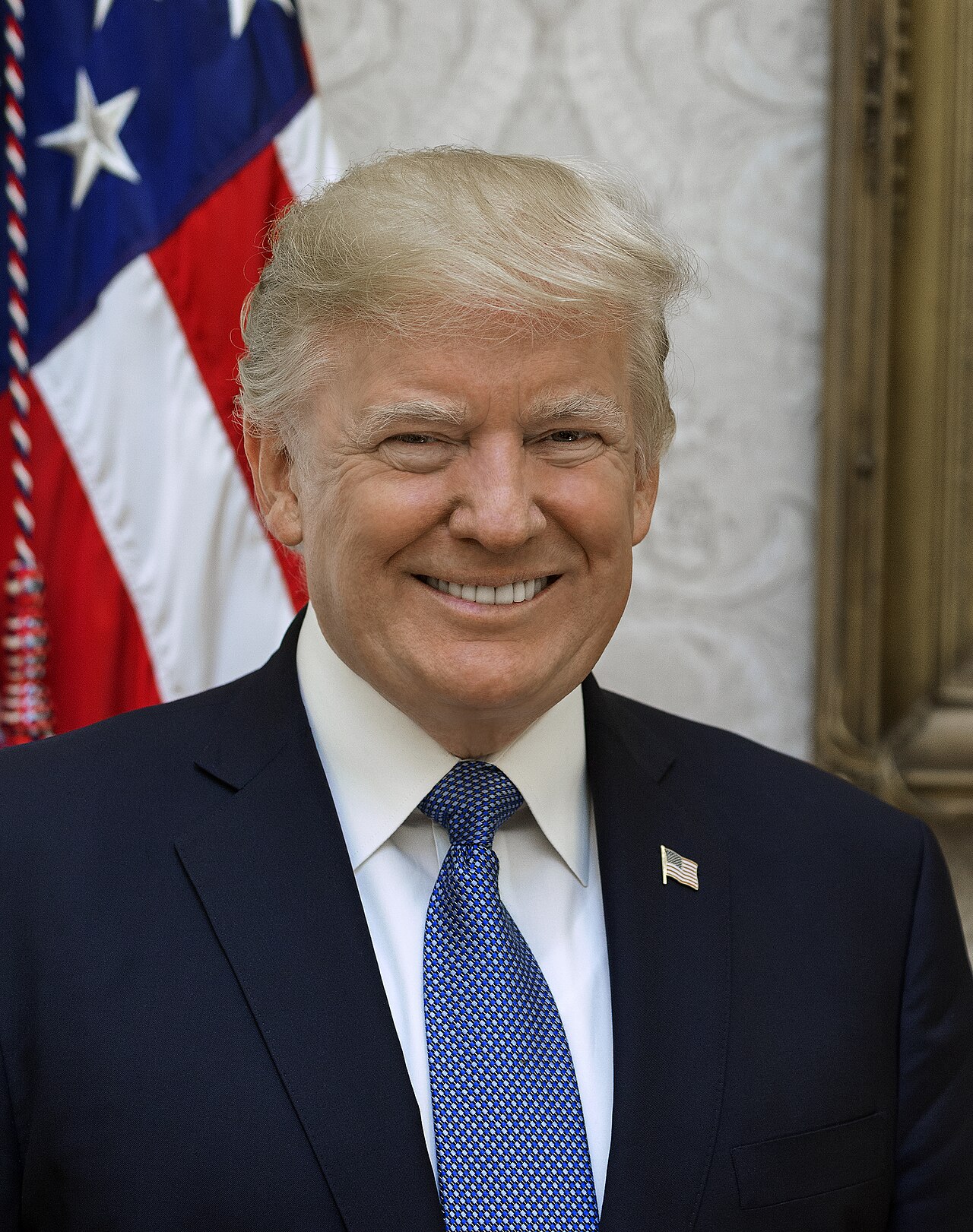
Former U.S. President Donald Trump recently informed Republican lawmakers that the military operation against Iran, initiated on February 28, 2026, could conclude rapidly. Speaking in Miami on March 10, 2026, Trump defended the joint U.S.-Israeli campaign, termed "Operation Epic Fury," which commenced with extensive air and missile strikes targeting Iranian military infrastructure. The operation notably resulted in the death of Iran's then-Supreme Leader, Ayatollah Ali Khamenei.
Trump asserted that the military action was a "short-term excursion" designed to preempt an imminent attack by Iran on the United States and its regional allies, specifically mentioning Qatar, Saudi Arabia, and the United Arab Emirates. He claimed significant damage to Iran's military capabilities, including the destruction of approximately 80% of its missile launchers, substantial portions of its drone fleet, and 46 naval vessels.
Over 5,000 targets were reportedly struck on a single day during the initial phase of the operation.
Operation Epic Fury Details
The military campaign, now in its second week, has maintained continuous pressure on Iranian assets. The stated objective of "Operation Epic Fury" was to neutralize Iran's capacity to launch offensive actions against U.S. interests and allied nations. The former president characterized the operation as a success, despite indicating that efforts would continue until "ultimate victory" is achieved.
Leadership Succession in Iran
Following the death of Ayatollah Ali Khamenei, his son, Mojtaba Khamenei, has reportedly assumed the role of Iran's new Supreme Leader. Trump expressed disappointment regarding this succession, suggesting it would likely perpetuate existing geopolitical challenges and tensions in the region. This leadership change introduces a new dynamic into the ongoing conflict and future diplomatic efforts.
Regional Geopolitical Context
The U.S. and Israel have historically viewed Iran's nuclear program and its support for regional proxy groups as significant threats to stability. This military intervention marks a substantial escalation in the long-standing tensions between these powers. The involvement of key Gulf allies, as cited by Trump, underscores the broader regional implications of the conflict and the perceived threat to their security interests.
International Reactions and Outlook
While Trump presented an optimistic timeline for the conflict's resolution, the long-term implications for regional stability and global energy markets remain uncertain. The extent of international diplomatic engagement and the potential for de-escalation efforts will be critical in shaping the conflict's trajectory. S. and Israel indicates a sustained commitment to their stated objectives, with the new Iranian leadership facing immediate challenges in navigating the crisis.
Implications
Country Impact: The conflict significantly impacts Iran's political stability and military capabilities, potentially leading to internal power struggles and shifts in regional influence. For the U.S. and Israel, it represents a major military engagement with potential long-term security commitments.
Industry Impact: Global energy markets, particularly oil and gas, face heightened volatility due to the conflict in a key producing region. Defense and aerospace industries may see increased demand, while shipping and logistics sectors could experience disruptions in the Persian Gulf.
Market Impact: Financial markets are likely to react to geopolitical uncertainty, with potential impacts on equity indices, bond yields, and currency valuations. Safe-haven assets like gold and the U.S. dollar may see increased demand, while riskier assets could face downward pressure.