Trump Urges Hormuz Naval Deployment Amid Iran Tensions
Former U.S. President Trump urged allies to deploy warships to the Strait of Hormuz on March 15, 2026, amid escalating Iran tensions.
Lauren Collins ·
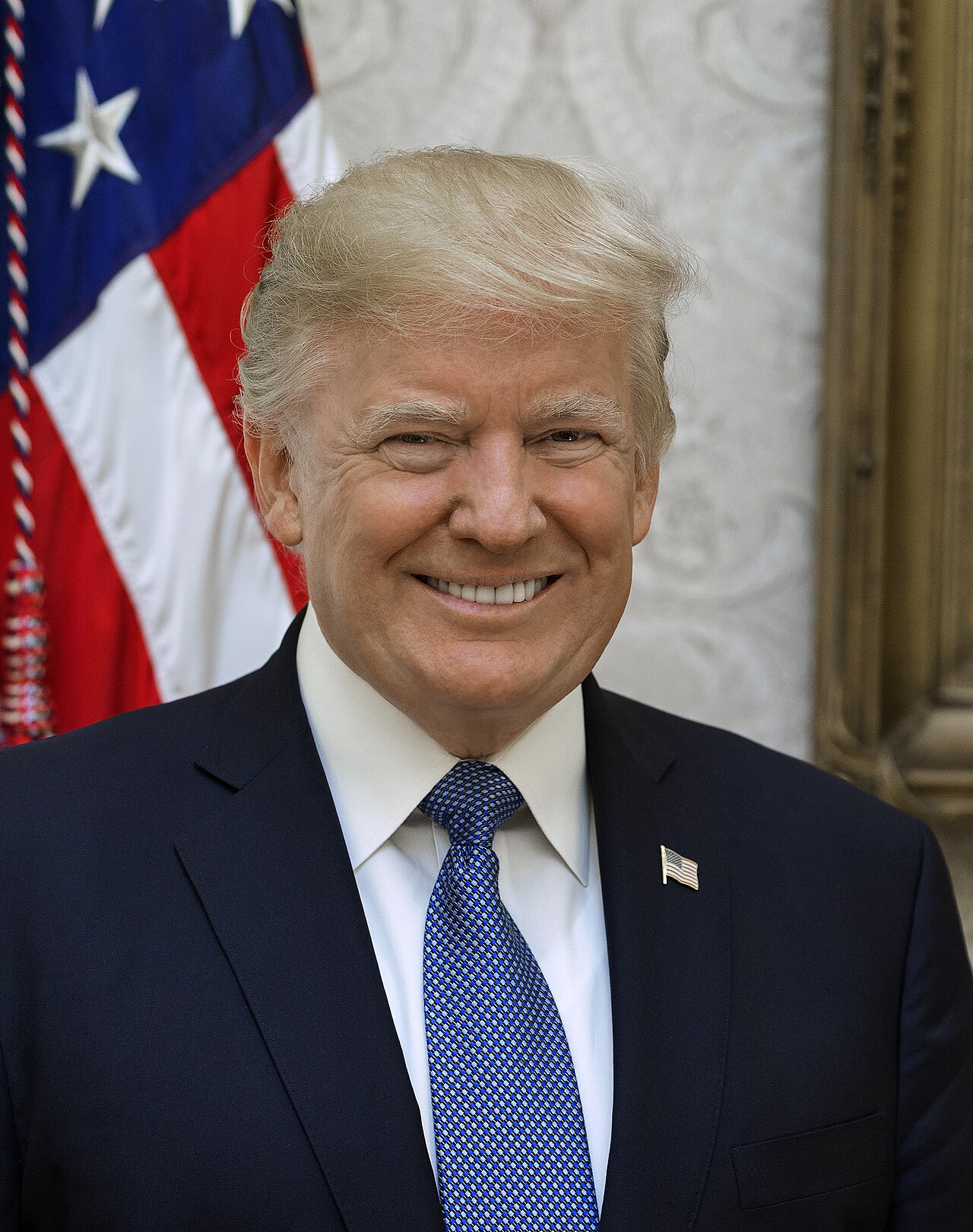
Former U.S. President Donald Trump has called for international naval deployments to the Strait of Hormuz. On Sunday, March 15, 2026, Trump urged allies such as Britain, France, and China to send warships to the critical maritime chokepoint. This appeal aims to counteract what he described as an effective Iranian blockade impacting global oil shipments.
This development unfolds amidst an escalating Middle East conflict, now in its third week. The region has seen intensified military actions, including Israeli airstrikes against Iranian targets and Iranian forces reportedly engaging U.S. and Israeli assets. The Strait of Hormuz is a vital conduit, through which approximately one-fifth of the world's oil supply transits daily.
Geopolitical Tensions and Shipping Lanes
Iran's Foreign Minister, Abbas Araghchi, previously asserted that the Strait of Hormuz remains open to all vessels, with the exception of American and allied ships. This declaration has raised concerns, particularly as oil from U.S. allies, including Saudi Arabia and Kuwait, also relies on this passage for export.
Oil prices have experienced a significant surge since the U.S. and Israel initiated an air campaign against Iran on February 28. Efforts by the Trump administration and other governments to stabilize energy markets, including considerations of easing sanctions on Russian oil, have not yet yielded desired results.
Threats and Responses
Former President Trump issued a direct threat to target Iran's primary oil export terminal on Kharg Island if Tehran did not ensure unrestricted passage through the strait. This warning was met with a defiant response from Iran's Islamic Revolutionary Guards Corps (IRGC).
The IRGC stated its complete control over the waterway and vowed to intercept any unauthorized transit. This exchange underscores the heightened military and political tensions surrounding the strategic maritime route. U.S. gasoline prices have, on average, increased by 25% since the conflict's commencement.
Regional Conflict Escalation
The broader regional conflict has resulted in substantial casualties. Iran has reported 1,348 civilian fatalities, while Lebanon has recorded 826, and Israel 12. Additionally, 13 American service members have died, including six in a refueling aircraft crash that occurred in Iraq.
The call for international naval presence in the Strait of Hormuz highlights the critical intersection of geopolitical strategy, energy security, and regional stability. The ongoing conflict and the responses from various international actors continue to shape the global economic and political landscape.
Implications
Country Impact: The call for naval deployment could escalate tensions between Iran and Western powers, potentially leading to increased military presence and risk of confrontation in the Persian Gulf. Regional stability for Gulf states, particularly oil exporters, faces heightened uncertainty.
Industry Impact: The energy sector, particularly global oil and gas markets, faces significant volatility due to threats to shipping in the Strait of Hormuz. Increased transit costs, insurance premiums, and supply chain disruptions are likely, impacting global energy prices and availability.
Market Impact: Global financial markets are likely to react to increased geopolitical risk, with potential for higher oil prices driving inflation and impacting central bank policies. Equity markets may see downturns, while safe-haven assets like gold and government bonds could experience increased demand.