Oil Prices Exceed $100 After Gulf Tanker Attacks
Oil prices exceeded $100 per barrel on March 12, 2026, after six tankers were attacked in the Persian Gulf, escalating regional tensions.
Atlas Newsdesk ·
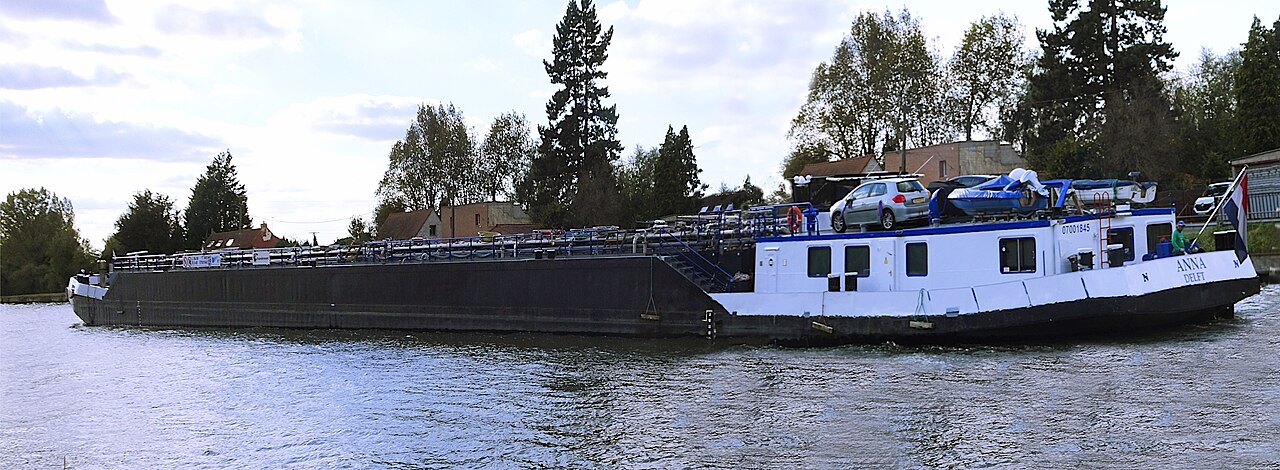
Global crude oil benchmarks surpassed $100 per barrel on March 12, 2026, following a series of attacks on six oil tankers operating in the Persian Gulf and the Strait of Hormuz. Iraqi officials attributed the overnight incidents to Iranian naval forces, marking a significant escalation in regional tensions. This development immediately impacted international energy markets, highlighting the vulnerability of critical maritime trade routes.
Escalation in Maritime Security
The attacks occurred in a strategically vital waterway, through which a substantial portion of the world's oil supply transits daily. The Strait of Hormuz, a narrow chokepoint between the Persian Gulf and the Gulf of Oman, is crucial for global energy security. Previous incidents in this region have historically led to heightened geopolitical concerns and volatility in commodity prices.
Market Reaction and Price Surge
Following reports of the incidents, Brent crude futures and West Texas Intermediate (WTI) futures experienced sharp increases. Analysts noted that the immediate market reaction reflected fears of supply disruptions and increased insurance premiums for shipping in the region. The sustained rise above the $100 threshold indicates a significant shift in market sentiment regarding geopolitical risk.
Geopolitical Context and Regional Tensions
The alleged involvement of Iranian forces comes amidst a backdrop of long-standing geopolitical friction in the Middle East. Tensions between Iran and several regional and international powers have been a persistent feature, often manifesting in proxy conflicts or direct actions impacting maritime navigation. The current incident underscores the fragile security environment in the Gulf.
Impact on Global Energy Supply
These attacks place merchant shipping, particularly oil tankers, at the forefront of regional conflicts. The Strait of Hormuz is a critical artery for oil exports from major producers, including Saudi Arabia, Iraq, Iran, Kuwait, Qatar, and the UAE. Any sustained disruption or perceived threat to this passage can have far-reaching consequences for global energy prices and economic stability.
International Response and Outlook
International bodies and major powers are expected to condemn the attacks and call for de-escalation. The incident will likely prompt discussions on enhancing maritime security measures in the Gulf region. The trajectory of oil prices will largely depend on the diplomatic response, the potential for further incidents, and the broader geopolitical landscape in the coming weeks.
Implications
Country Impact: Middle Eastern nations reliant on oil exports face increased security risks and potential disruptions to their primary revenue streams. Importing nations could see higher energy costs, impacting domestic inflation and economic growth.
Industry Impact: The global shipping and insurance industries will likely experience higher operational costs and premiums for vessels transiting the Persian Gulf. Energy companies face increased supply chain risks and potential volatility in production and distribution.
Market Impact: Global energy markets will likely remain volatile, with upward pressure on crude oil prices. Equity markets may react negatively to increased geopolitical risk, while bond markets could see a flight to safety, impacting yields.